
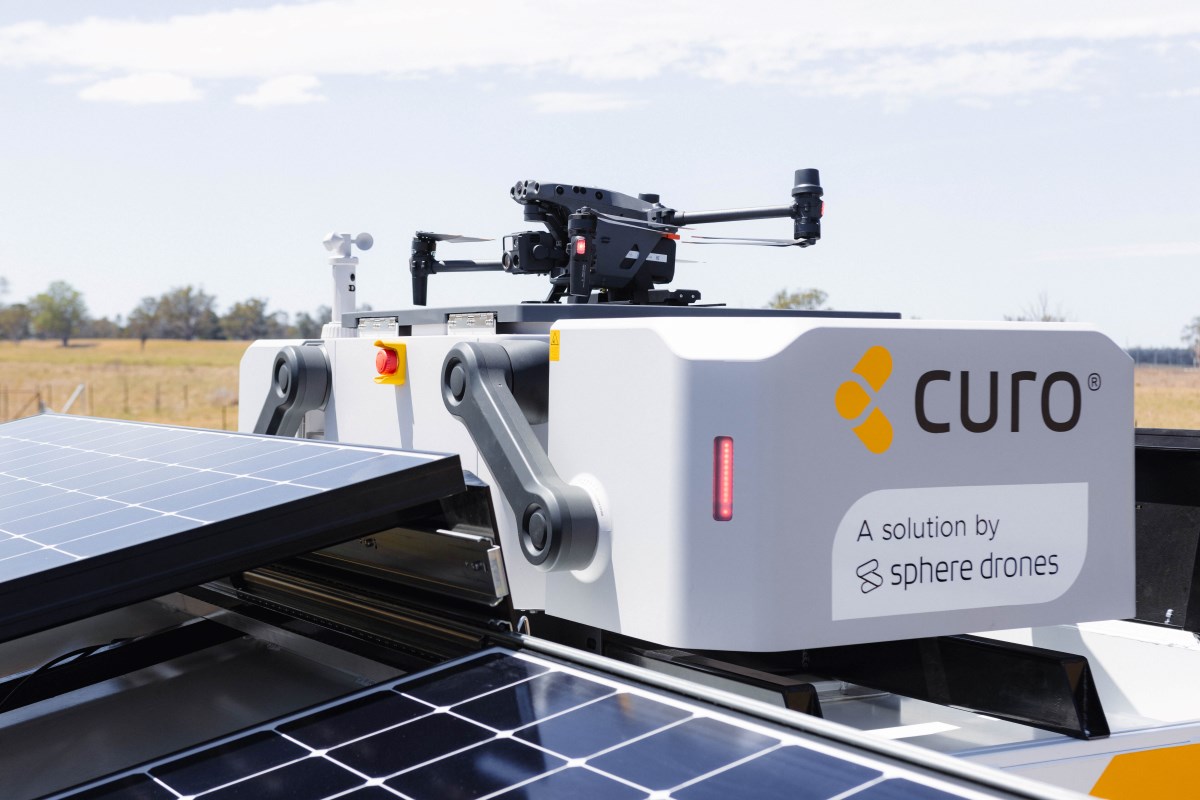
It just got a lot easier for drones in Australia to go the distance, literally. Sphere Drones has earned approval from the Civil Aviation Safety Authority (CASA) to operate under the Broad Area BVLOS (Beyond Visual Line of Sight) Self-Assessment framework, meaning the company can now decide for itself where it’s safe to fly drones beyond a pilot’s line of sight.
That may sound bureaucratic, but in practice, it’s a big deal. Until recently, operators had to seek case-by-case approvals to fly BVLOS, a process that could take months. Now, with CASA’s trust and framework in place, Sphere Drones can roll out fully operational BVLOS systems for clients in industries like mining, utilities, and infrastructure, often within just a week.
“This approval is a watershed moment for our business, our clients, and the industry,” says Elliot Cummins, Sphere’s chief remote pilot. “We’ve built the systems and mindset to operate beyond traditional limits, so our clients can deploy faster, scale efficiently, and capture value in areas they couldn’t reach before.”
New: DJI Neo 2 global teaser drops, hinting at wider release
Sphere’s readiness didn’t happen overnight. The company has spent years refining what it calls its HubX and HubT remote operations systems — compact setups that combine power, connectivity, and flight control tools into deployable stations. Together, they allow operators to manage live drone missions from a centralized Remote Operations Centre, making BVLOS flights not only possible but repeatable and scalable.
And speed is a big part of the story here. Through Sidero Local, its local manufacturing and logistics arm, Sphere can deliver a full BVLOS setup on-site in just one week. That kind of turnaround is rare in an industry where regulatory red tape often slows everything down.
CASA’s Broad Area BVLOS Self-Assessment framework is designed to make long-range drone operations more flexible, but only for those who’ve proven they can handle it safely. So far, only a handful of operators across Australia have earned that privilege, and Sphere is now one of them.
For Paris Cockinos, Sphere’s CEO and one of The Daily Telegraph’s Top 250 Young Entrepreneurs, this marks a turning point. Here’s Cockinos:
This approval is a reflection of the years of investment, innovation, and collaboration that have gone into building Australia’s most capable BVLOS ecosystem. It’s not just about flying further; it’s about enabling businesses to operate smarter, safer, and with greater confidence in what’s possible. BVLOS is the future of enterprise drone operations, and we’re proud to be leading that transition right now.
Sphere is also helping others navigate the same journey. The company recently released the Broad Area BVLOS CASA Trial Guide, a comprehensive manual for organizations looking to understand and operate under the new framework.
Combined with its flight operations team, which supports everything from mission planning to data delivery, Sphere is positioning itself not just as a technology provider but as a partner helping businesses move from regulatory readiness to real-world operations.
“CASA’s self-assessment framework marks the beginning of a new era for Australian drone operations,” Cockinos says. “With our approval secured and systems proven in the field, we’re ready to help organizations fly further, faster, and smarter.”
More: The year’s most-awarded drone, and it’s not DJI


FTC: We use income earning auto affiliate links. More.


Comments