
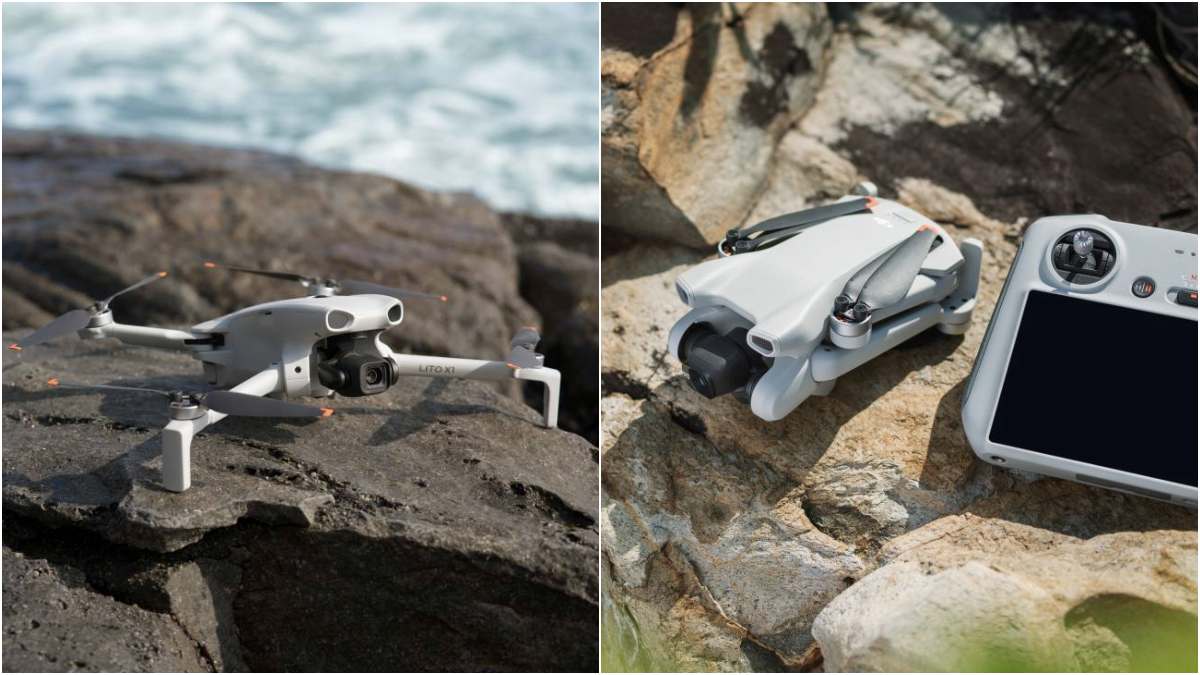
So, DJI has launched the Lito X1 drone and positioned it as the fresh replacement for the Mini 3, but American buyers won’t be getting it. Instead, the US market is left with an unexpected consolation prize: 31% off on the Mini 3 (DJI RC), now discounted to just $379 from the usual $549. Interestingly, this is what the new Lito X1 would also have cost if it had launched stateside. But here’s why the “old” drone may suddenly be DJI’s smartest buy in America.
Lito X1 looks like DJI’s next-gen budget star
On paper, the Lito X1 appears to be a meaningful step forward for DJI’s entry-level lineup. It uses a 1/1.3-inch CMOS sensor with a new image processing platform and can record 4K/60fps HDR video, 4K/100fps slow motion, plus 2.7K vertical video for TikTok, Instagram Reels, and Shorts. DJI says HDR dynamic range reaches up to 14 stops, suggesting stronger highlight and shadow detail than many drones in this class.
The drone also adds one of the biggest surprises: forward-facing LiDAR with omnidirectional obstacle sensing. That’s notable because LiDAR is typically reserved for pricier products. DJI says the system can help detect buildings and obstacles during flight and return-to-home, including for urban night shooting.
Lito X1 also includes upgraded ActiveTrack, DJI O4 transmission with up to 15 km range, 42GB internal storage, and fast wireless transfers up to 50MB/s. Flight time runs up to 36 minutes with the standard battery. In short, it sounds like a modernized mini drone with features many beginners and content creators would love.
Why Mini 3 still makes huge sense in America
Since Lito X1 isn’t coming stateside, the DJI Mini 3 suddenly looks even more compelling. Mini 3 remains one of DJI’s most balanced beginner drones. It weighs under 249 grams, which helps simplify regulations for many recreational users. It also packs a 1/1.3-inch sensor, supports 4K HDR video, offers True Vertical Shooting, and delivers up to 38 minutes of flight time on the standard battery.
That means the Mini 3 still covers the needs of most buyers: vacation footage, family memories, social media content, casual real-estate clips, and first-time aerial photography.
Lito X1 vs Mini 3: Biggest differences
1. Obstacle avoidance and safety
This is likely the single biggest hardware advantage the Lito X1 brings over the Mini 3. DJI says the new drone uses forward-facing LiDAR combined with omnidirectional obstacle sensing, giving it a much smarter awareness of surroundings than the Mini 3’s more basic system. In practical terms, that could matter a lot for newer pilots or anyone flying in tighter spaces. A more advanced sensing system can reduce stress and help prevent expensive mistakes.
The Mini 3 is still beginner-friendly, but it relies more heavily on pilot awareness and careful manual flying. If safety tech is your top priority, Lito X1 clearly looks like the more forgiving drone.
2. Creator features
DJI appears to have designed the Lito X1 with today’s content creators in mind. Beyond standard 4K recording, it adds 4K/100fps slow motion, which can create dramatic action shots, cinematic movement, and smoother slowed-down clips for reels or YouTube edits. It also supports 2.7K vertical video, which is useful for creators posting directly to TikTok, Instagram Reels, and Shorts without awkward cropping. Add built-in storage, QuickTransfer, MasterShots, QuickShots, and Hyperlapse, and the drone seems focused on fast shooting and even faster sharing.
The Mini 3 still holds up well thanks to its 1/1.3-inch sensor, good low-light capability, social-media-friendly True Vertical Shooting, and reliable image quality. For many casual users, vacation travelers, and first-time drone owners, it remains more than enough.
3. Transmission system
The Lito X1 also gets a clear spec-sheet upgrade with DJI O4 video transmission, rated for up to 15 km with improved signal stability, stronger anti-interference performance, and higher-quality live feed transmission. That matters most in areas with wireless congestion — cities, crowded parks, beaches, or places where many devices compete for signal. A stronger transmission system can mean fewer dropouts, cleaner live view, and more confidence while flying.
The Mini 3 uses an older transmission generation with a shorter advertised range. It’s still dependable for most normal flights, especially for hobby users staying nearby. And that last point matters: in the United States, drone pilots are generally expected to maintain a visual line of sight, so few users will ever approach those maximum distance claims in real life.
4. Remote controller experience
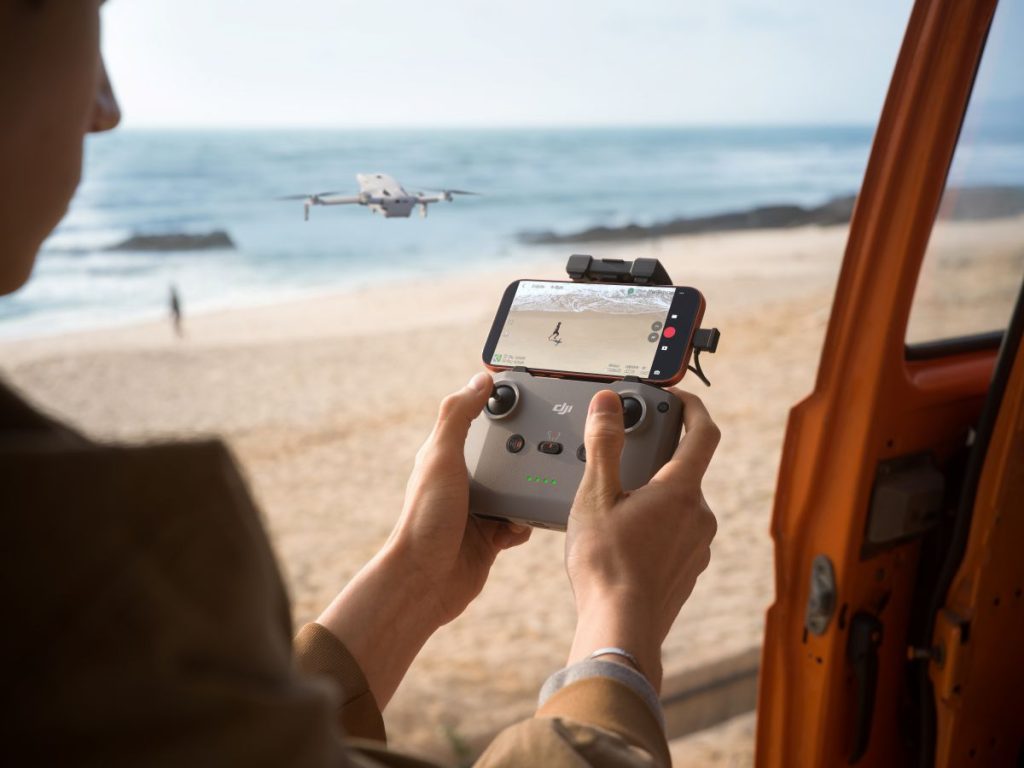
This may be one of the most overlooked differences, but for many buyers, one of the biggest. Right now, the $379 DJI Mini 3 deal in the US includes the DJI RC controller, which has a built-in 5.5-inch HD screen and the DJI Fly app pre-installed. That means you can power on, connect, and start flying without attaching your phone. DJI says the screen is designed for crisp viewing even under direct sunlight.
By comparison, the similarly priced DJI Lito X1 would ship with the DJI RC-N3 controller in its base combo, which requires you to connect your smartphone for live camera view, telemetry, and flight status. That means dealing with cables, mounting your phone, draining your battery, incoming notifications, screen glare, and the general hassle of turning your phone into part of the controller setup. For frequent flyers, that extra friction gets old fast.
5. Price and availability in America
This is where the Mini 3 wins easily. Lito X1 may be new and exciting, but it will not be available in the US market because its authorization application with the Federal Communications Commission (FCC) is still pending. The Mini 3, meanwhile, is not just available to buy now; it is discounted to $379 for the standard bundle and $499 for the Fly More Combo, which includes extra batteries, a two-way charging hub, and a shoulder bag for all-day adventures. That makes it one of the strongest value buys in DJI’s lineup today.
Sure, the Lito X1 looks like the affordable drone many shoppers wanted — smarter, safer, and more creator-focused. But with no US release, Americans can’t buy what may have been DJI’s next breakout budget hit. That leaves the DJI Mini 3 in a sweet spot. It delivers premium image quality, excellent battery life, ultra-light portability, and the trusted DJI flying experience. If you were waiting for a new DJI budget drone, the best move right now may be grabbing the Mini 3 while this discount lasts.
More: DJI Lito drones aren’t coming to US, buy these instead


FTC: We use income earning auto affiliate links. More.



Comments