
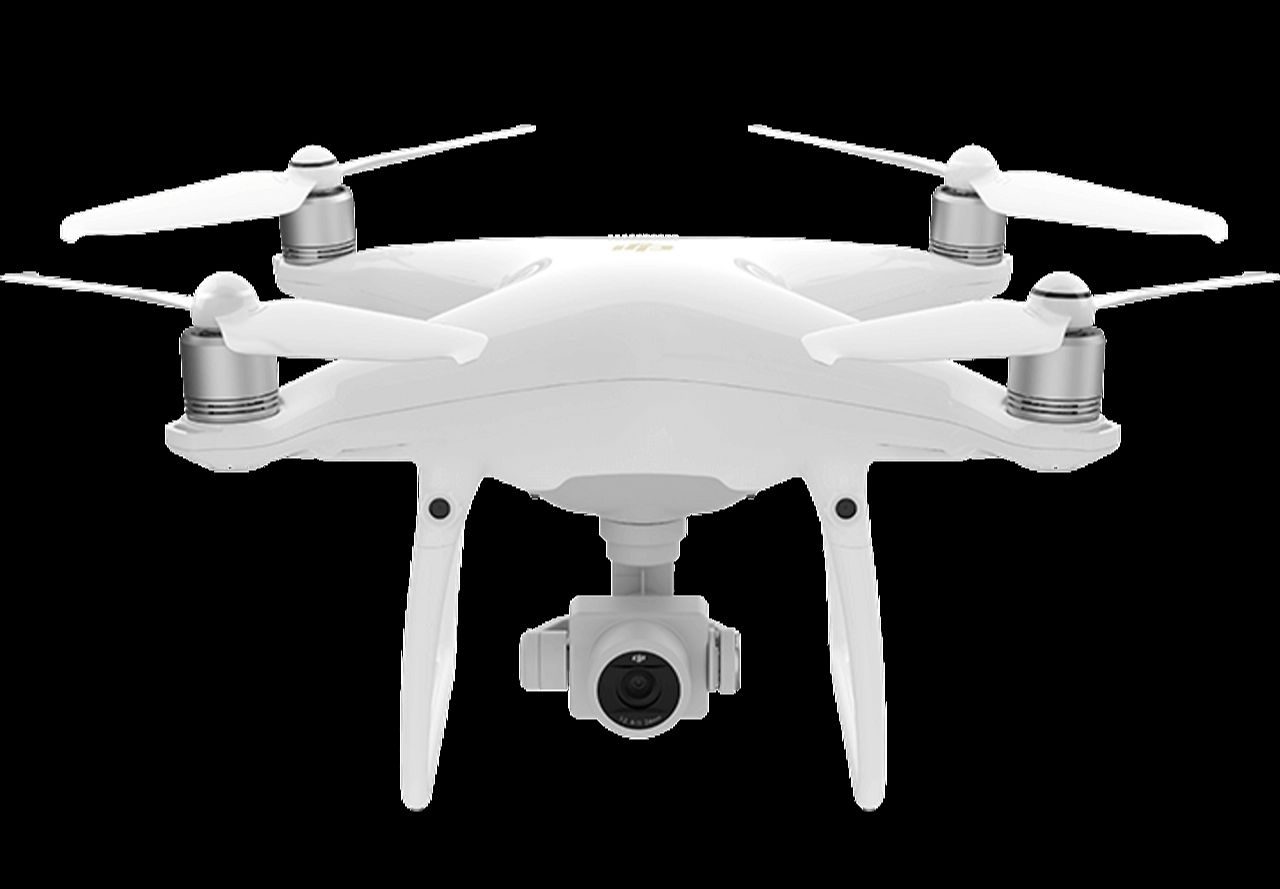
Before compact camera drones took over, the DJI Phantom was the aircraft that helped put serious aerial photography within reach of more people. And the Phantom 4 Pro V2.0 was one of the lineup’s standout models, pairing a 1-inch sensor with a mechanical shutter and 4K/60fps video.
Now, DJI is drawing a line under that chapter. The company has announced that it will end service support for the Phantom 4 Pro V2.0 on October 31, 2026. That’s the end of this month, giving anyone still flying the nearly decade-old model a short window to get their aircraft checked out before official support disappears.
What made the Phantom 4 Pro V2.0 so special?
Launched in May 2018, the Phantom 4 Pro V2.0 wasn’t just another refresh of DJI’s popular quadcopter. It took an already capable aerial camera platform and made it quieter, improved its wireless video transmission, and retained the imaging features that made the Phantom 4 Pro a favorite among serious drone users.
The camera was the real star. It packed a 1-inch, 20-megapixel CMOS sensor, an adjustable f/2.8-f/11 aperture, and a mechanical shutter. It could record 4K video at up to 60 frames per second, while the mechanical shutter helped minimize rolling-shutter distortion when photographing moving subjects or capturing images for mapping work.
That last feature is worth remembering. A mechanical shutter was a meaningful advantage for aerial photography, particularly when accurate images of buildings, roads, fields, and other features mattered.
The V2.0 also introduced DJI’s OcuSync transmission system and propellers that reduced flight noise by up to 60% compared with the original Phantom 4 Pro. It offered up to 30 minutes of advertised flight time and obstacle sensing in five directions.
In other words, this wasn’t simply a drone with a good camera. It was a serious aerial imaging tool that helped make professional-looking drone photography more accessible. And for many pilots, it may still be doing exactly what they bought it to do.
Still flying one? Get it serviced before October 31
DJI says that once service suspension takes effect, it will no longer provide product inquiries, technical support, or product maintenance for the Phantom 4 Pro V2.0 and its accessories.
If you’re still using yours, the sensible move is to contact DJI support now, explain the aircraft’s condition, and ask whether any inspection or repair can be completed before the deadline. DJI’s official support page provides access to service requests, manuals, and product information.
Don’t wait for a motor issue, damaged gimbal, or battery problem to turn into an urgent repair. If your Phantom is used for paid photography, surveying, mapping, or other business work, consider arranging a checkup while official service is still available.
Keep in mind that submitting a request before October 31 doesn’t necessarily guarantee that DJI will complete the repair before support ends. Confirm the applicable deadline and repair arrangements directly with DJI.
It’s also worth checking your batteries, charging hub, propellers, controller, and other accessories. And if the aircraft has become increasingly difficult to maintain, this could be the right moment to plan a replacement rather than invest more money in an aging platform.
Here’s the good news: replacing the Phantom doesn’t necessarily mean giving up capable aerial imaging. DJI’s newer lineup offers some impressive options, and several models are available at discounted prices right now.
If the Phantom’s camera capabilities were the main reason you loved it, the Mavic 4 Pro is a compelling successor to consider. Its triple-camera system includes a 100MP Hasselblad main camera with a Four Thirds sensor, 6K/60fps HDR video, and two telephoto cameras for capturing distant subjects without constantly repositioning the aircraft. It also offers an innovative Infinity Gimbal and up to 51 minutes of advertised flight time.
Then there’s the Mini 5 Pro that shows just how much camera technology has advanced in compact drones. Currently at its lowest-ever price, this drone packs a 50MP 1-inch CMOS sensor, 4K/60fps HDR video, and 4K/120fps slow-motion recording into a foldable aircraft weighing around 249 grams. Its omnidirectional obstacle sensing, including forward-facing LiDAR, and upgraded subject tracking make it an appealing option for pilots who want advanced imaging without carrying a larger drone.
That said, not everyone needs a flagship drone, particularly if most flights involve travel footage, landscapes, family adventures, or social media content. The Mini 3 offers a 1/1.3-inch sensor, 48MP photos, 4K HDR video, and True Vertical Shooting for portrait-oriented content. It weighs under 249 grams with its standard battery, making it a particularly travel-friendly option.
Of course, these drones aren’t direct replacements for every Phantom workflow. If you rely on mechanical-shutter photography for mapping or surveying, pay particular attention to camera and workflow requirements before switching. Also check battery endurance, payload needs, software compatibility, and applicable flight regulations.
The Phantom 4 Pro V2.0 deserves its place in drone history. But if yours is still in regular use, October 31 is an important date to put on your calendar. Get any necessary service sorted while you can, and start exploring your next aircraft before an unexpected repair makes the decision for you.
More: DJI’s best Mini drone deal includes more than you think


FTC: We use income earning auto affiliate links. More.


Comments