
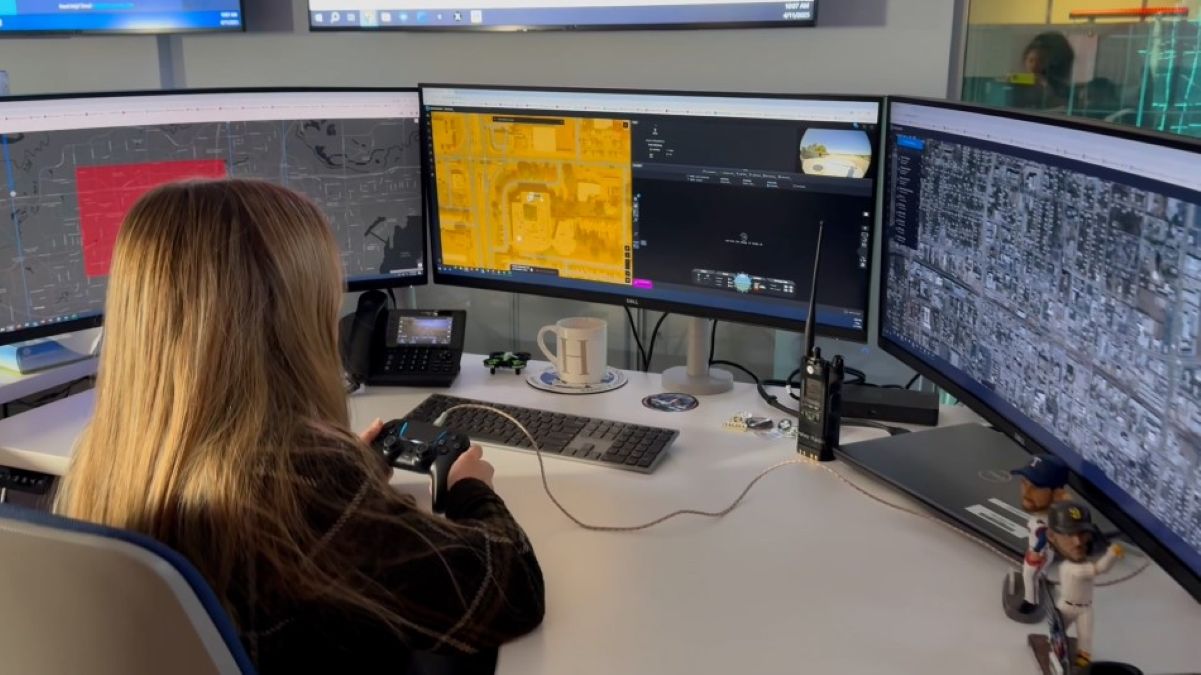
Arlington, Texas is stepping up its crime-fighting game from the skies.
The Arlington Police Department (APD) has announced a major expansion of its Drone as a First Responder (DFR) program, designed to get officers real-time information before they even arrive on scene. The idea is simple but powerful: when a 911 call comes in, APD drone pilots can instantly launch a drone to the location, giving officers a live aerial view of what’s happening while they’re still en route.
This high-tech approach can be a game-changer. Drones often beat patrol cars through city traffic, giving police a head start on locating suspects, understanding the situation, and planning a safer, faster response. What started as a tool to monitor illegal fireworks during July 4th and New Year’s Eve has now grown into a resource for handling burglaries, assaults, missing persons, and other urgent incidents.
“I want to be clear that DFR does not replace our traditional police response,” says APD chief Al Jones. “But this technology presents significant opportunities for us to better serve our community, which is why we are mbracing it. The faster we can put eyes on a situation, the safer the outcome for everybody.”
Taking things a step further, Arlington is now one of the few police departments in the country authorized to fly drones beyond the operator’s line of sight, thanks to a special waiver from the Federal Aviation Administration (FAA). That means drones can be flown remotely from APD’s Real Time Crime Center (RTCC), without needing a pilot on the ground nearby.
To support this, APD has installed drone docks at two key locations across the city. These drones can be launched instantly, fly at speeds up to 50 mph, and cover a 1.5-mile radius — making them quick responders when seconds matter.
While the technology is powerful, the department is also clear about its limits. The drones are not used for random surveillance. They only respond to active calls for service, do not record video while in transit, and can only record at a scene when there’s a lawful reason to do so. All flights are logged, audited, and must comply with strict local, state, and federal laws. The department even submits a public report to the state every two years outlining every drone deployment.
With the expanded DFR program, Arlington is showing how drones can support police officers on the ground. It’s a tech-forward move aimed at keeping both officers and community members safer.
New: 7 big upgrades US buyers will miss without DJI Mavic 4 Pro


FTC: We use income earning auto affiliate links. More.




Comments