
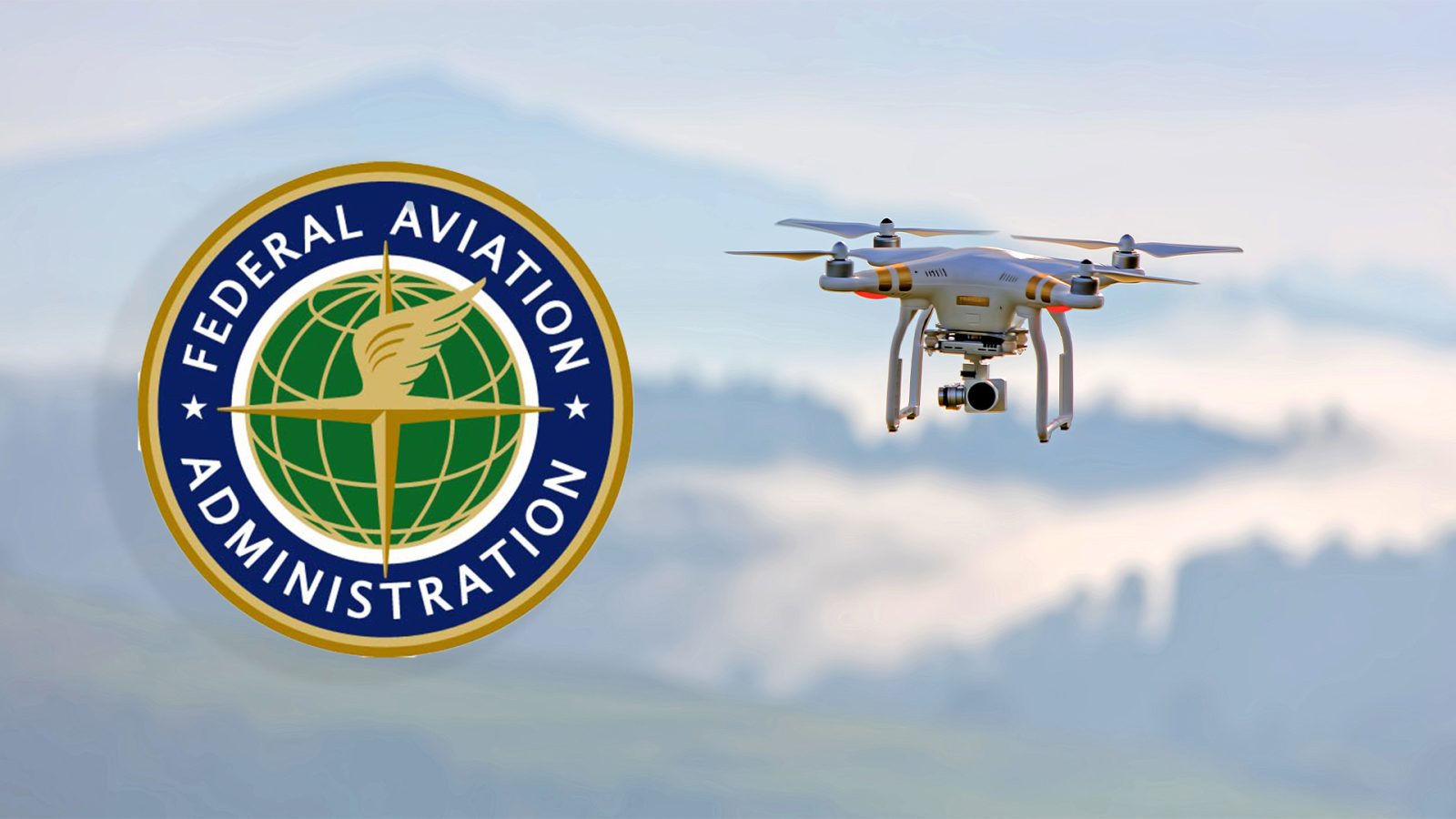
In a landmark move that could reshape the skies, the US Department of Transportation, under Secretary Sean P. Duffy, has proposed a sweeping new rule that would finally normalize Beyond Visual Line of Sight (BVLOS) drone operations — a long-awaited milestone for the commercial drone industry. The draft rule, introduced as Part 108, is being hailed as a transformative framework that will allow drones to operate beyond the operator’s visual range without the need for individual waivers.
“We are making the future of our aviation a reality and unleashing American drone dominance,” says Duffy. “From drones delivering medicine to unmanned aircraft surveying crops, this technology will fundamentally change the way we interact with the world.”
Until now, drone operators needed special exemptions or waivers from the FAA to operate beyond visual line of sight — an unpredictable, often lengthy approval process. With the proposed rule, the FAA seeks to codify routine BVLOS operations under a standardized regulatory structure. This opens the door to scalable applications in:
- Package delivery
- Infrastructure inspection
- Disaster response
- Precision agriculture
- Energy grid monitoring
- Public safety
- Aerial filmmaking and photography
FAA Administrator Bryan Bedford emphasizes the importance of the proposal:
Normalizing BVLOS flights is key to realizing drones’ societal and economic benefits.
The rule introduces updated safety standards, including requirements for detect-and-avoid capabilities, operator qualifications, and a unified approach to air traffic management for drones. It also mandates manufacturers to equip BVLOS-capable drones with performance features that reduce risk and enhance situational awareness.
You can see the complete highlights from the proposed rule here, but some of the key action points include:
1. Operations and safety zones
- Flights must stay within 400 ft AGL, and launch from access-controlled, pre-approved zones.
- Operators clearly disclose mission volumes and locations and put in place contingency plans for communication failures
2. Automated data and separation services (ADSPs)
- ADSPs (FAA-approved third parties) will help maintain separation between drones and from manned aircraft.
- Operators can serve as their own ADSP or contract one. This centralized integration supports scalable operations
3. Detect-and-avoid technology
- BVLOS drones are mandated to include DAA capabilities, allowing flights to automatically sense and evade hazards without operator input
4. FAA approval and reporting
- Flight operations must be authorized in advance, with boundaries, hazards evaluation, communications assurance, and operational data disclosure.
- Detailed reporting, record keeping, and disclosures are required to sustain safety oversight
Drone industry applauds FAA’s BVLOS rule proposal
Michael Robbins, president and CEO of the Association for Uncrewed Vehicle Systems International (AUVSI), has welcomed the proposal enthusiastically:
This draft rule is a critical step toward enabling drone operations that will enhance safety, transform commercial services, and strengthen public safety with drones as a force multiplier. A final risk-based BVLOS rule will unlock new commercial and public safety applications, including infrastructure inspections, precision agriculture, package delivery, disaster response, and more, enhancing public safety, driving billions in economic growth, and creating high-quality jobs
The Commercial Drone Alliance (CDA), another major industry voice, applauded the FAA, TSA, and Department of Transportation for their collaborative effort. CDA CEO Lisa Ellman says, “For far too long, outdated regulations have held back the tremendous potential of the commercial drone marketplace. Today’s action marks a pivotal advancement toward modernizing US drone policy.”
Liz Forro, policy director at CDA, highlights the broader impact:
This proposal represents a significant step toward developing the low-altitude economy in this country.
Andreas Raptopoulos, CEO of Matternet, the first company to receive an FAA Type Certification for drone delivery, has also expressed optimism: “Unlocking Beyond Visual Line of Sight operations is a key milestone in unleashing the commercial viability of drone delivery. Matternet looks forward to continuing our work with the FAA.” Matternet currently operates in the US, UK, and Switzerland, conducting real-world drone deliveries for healthcare and logistics — precisely the kind of activity the new rule aims to support at scale.
So, what comes next? Stakeholders, pilots, companies, and citizens are encouraged to provide feedback on the proposed rule. The FAA will accept public comments for 60 days following publication of the rule in the Federal Register, after which it must move quickly. Once the comment period closes, the FAA is under pressure to finalize the rule by early 2026, per a Trump Administration executive order.
The White House sees this rule as a critical piece in bolstering US drone leadership in the face of international competition, especially as countries like China aggressively scale their own drone technologies.
More: Drone tech meets dust bunnies in DJI’s Romo vacuum cleaner


FTC: We use income earning auto affiliate links. More.



Comments