
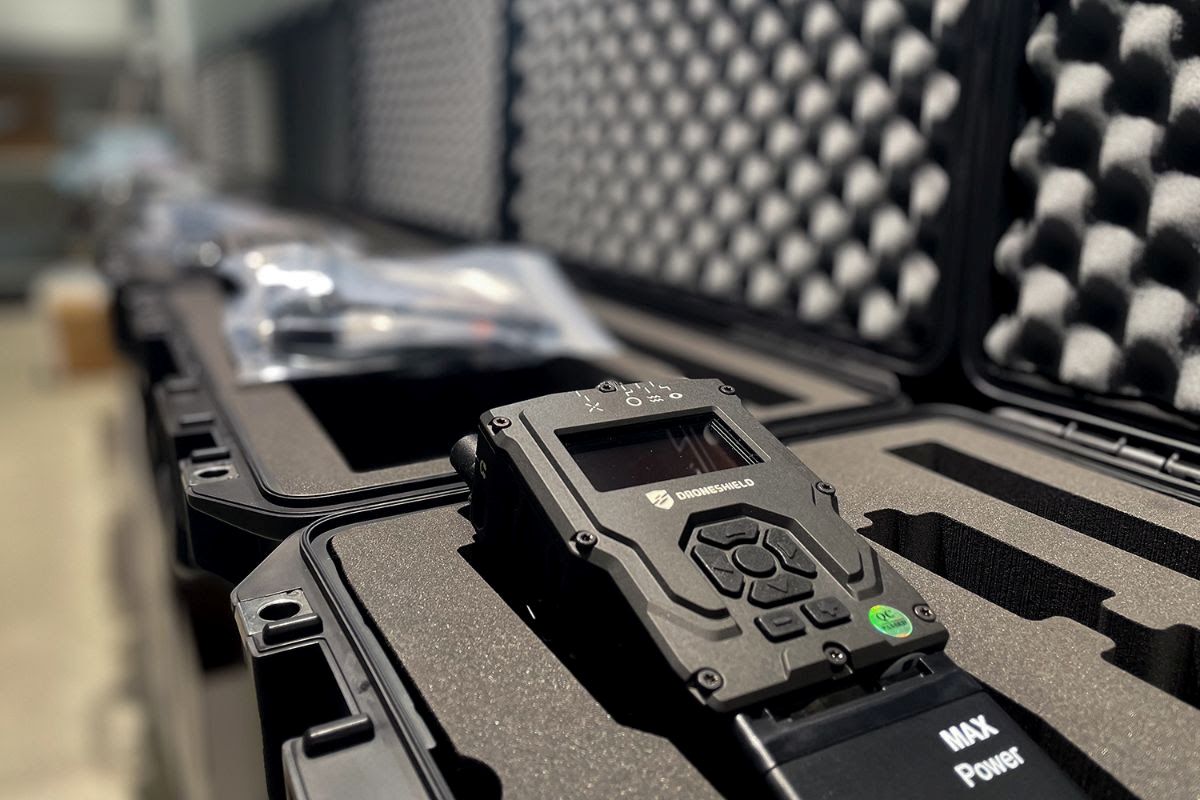
DroneShield is making a significant move to deepen its presence in Europe, announcing a new counter-drone manufacturing operation within the EU as demand for anti-UAS systems ramps up across the region.
The Australia-based company says production of European-made counter-UAS systems is already underway through a partnership with an established contract manufacturer. The first deliveries are expected by mid-2026, signaling a relatively quick ramp-up in output at a time when European nations are accelerating defense investments.
At the heart of this expansion is Europe’s growing focus on “sovereign capability” — essentially, building and sourcing critical defense technologies locally rather than relying on overseas suppliers. That push has gained momentum under initiatives like the ReArm Europe Plan / Readiness 2030, which is driving increased military spending and faster procurement timelines.
DroneShield’s new EU production line will handle full-scale manufacturing, including PCB assembly, precision machining, cable and wire harness work, and final system assembly and testing. Just as importantly, the company is building out a primarily EU-based supply chain to support the effort. This marks DroneShield’s first manufacturing footprint outside of Australia.
For European customers — ranging from militaries to law enforcement and critical infrastructure operators — this localization could translate into faster deliveries, fewer supply chain disruptions, and systems that align more closely with regional procurement requirements.
CEO Oleg Vornik frames the move as both strategic and necessary. Europe, he notes, is going through a “profound shift” in counter-drone preparedness, and local production is becoming a key expectation rather than a bonus. By manufacturing within the EU, DroneShield aims to better compete for contracts that increasingly prioritize domestic or regional production.
The expansion also ties into the company’s broader global growth plans. DroneShield expects to scale its annual production capacity from about $500 million in 2025 to roughly $2.4 billion by the end of 2026. That’s a nearly fivefold increase, reflecting how quickly demand for counter-drone technology is rising worldwide.
More: Antigravity A1 drone discount arrives before April feature update


FTC: We use income earning auto affiliate links. More.




Comments