
DJI and Insta360’s Antigravity now both have FPV drones, goggles and all, and they each have their own way of providing an intuitive flight system for entry-level pilots. What’s the difference? And which is the best option?
DJI and Antigravity are now the two key players in the consumer FPV market. Between DJI’s Avata 2 and Antigravity’s A1, both want you to buy their drones for various reasons and make it as easy as possible to pick up the controller and fly.
However, many are intimidated by flying an FPV drone. It requires you to wear goggles, find a friend to be your visual observer, and until just a few years ago, use a manual controller that took hours to figure out how to use.
DJI comes first with FPV, Avata, and Avata 2
DJI came first with its Motion Controller with its now-retired FPV drone, but the focus of the higher-end drone was towards those looking for the manual flight experience. The Motion Controller was just an add-on accessory. It wasn’t until the DJI Avata came out in 2022 with the Motion Controller 2 that, paired with the Avata’s lower price tag, pushed the experience as an FPV drone for anyone.
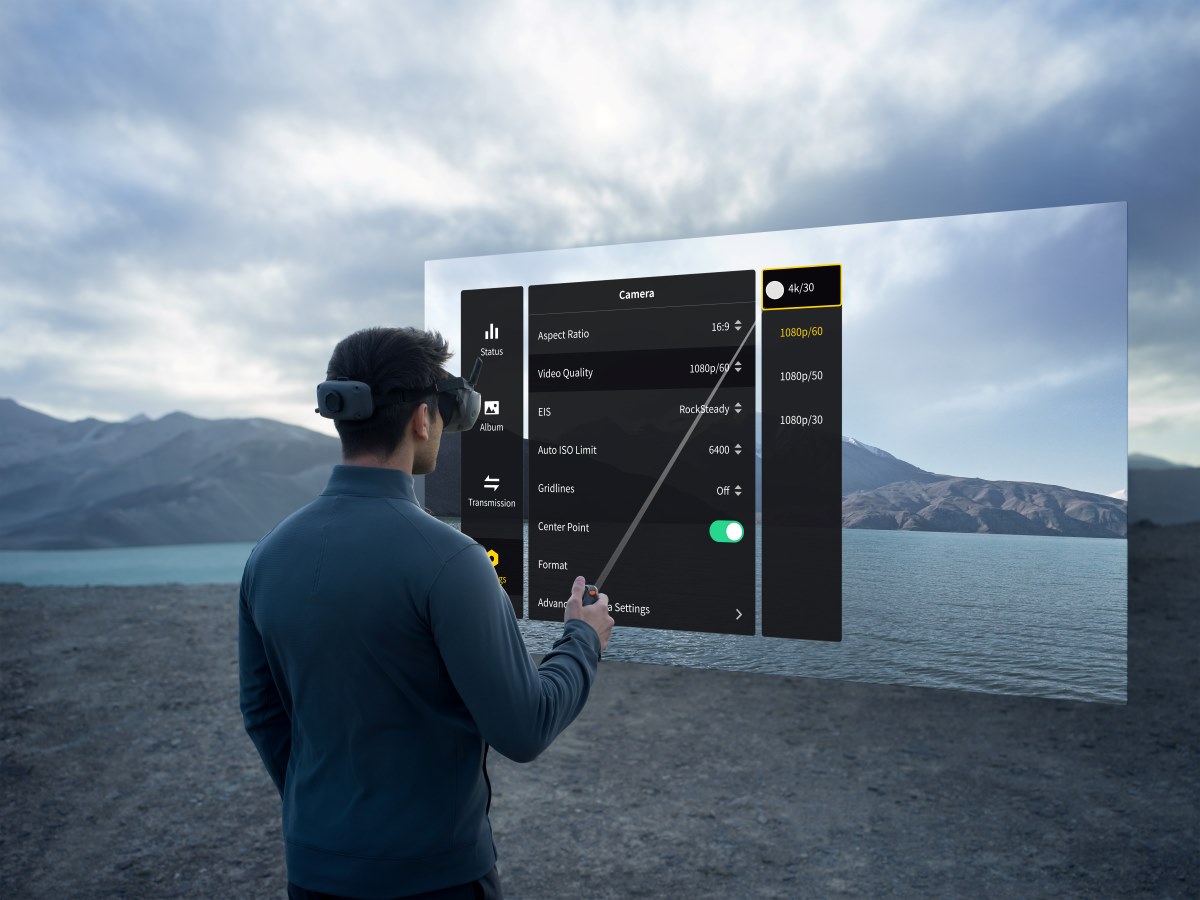
This was the start of DJI’s “Look-and-fly” system that truly made flying an FPV drone as easy as just thinking about what you wanted to do, and then doing it. The “Look-and-fly” system is as easy as it sounds; when using the Motion Controller and wearing DJI’s flight goggles, you’ll see a little circle wherever you look. This is thanks to the goggles having eye-tracking capabilities to know exactly where you’re looking at all times.
To fly the Avata, all you have to do is look and then pull the trigger on the Motion Controller. The drone will then begin to fly in that direction. Want to change direction? Just look somewhere else. Want to fly under that tree or through that fence? Just keep your eyes in the right place, and you can do it.
I’ve personally seen individuals who have never flown a drone before in their life become an FPV pro in about 30 seconds using DJI’s system. It blew my mind too when I first tried it out.
This system came to the Avata 2 when it was released in 2022 and is still a hit.
Antigravity’s ground breaking A1 and new system
In comes Insta360, with its new brand Antigravity and its A1 360 video drone. Instead of a single camera pointing forward, the A1 has two cameras, one above and one below the drone, to capture 360-degree video around it. This allows you to not have to worry about framing and just focus on the flight.
This 360 video mode, which is live when you’re wearing the drone’s flight goggles, creates a bird-like sensation while flying the A1. You can look down to see the streets below you, track your subject while you perform an orbit, and look wherever you’re flying as your subject passes below you. With the addition of 360 video, it really does shake things up.
To ensure you can fly wherever you want, and aren’t limited to just where you’re looking, Antigravity implemented a “Point-and-fly” flight method. This relies on the motion tracking of the company’s “Grip” controller.
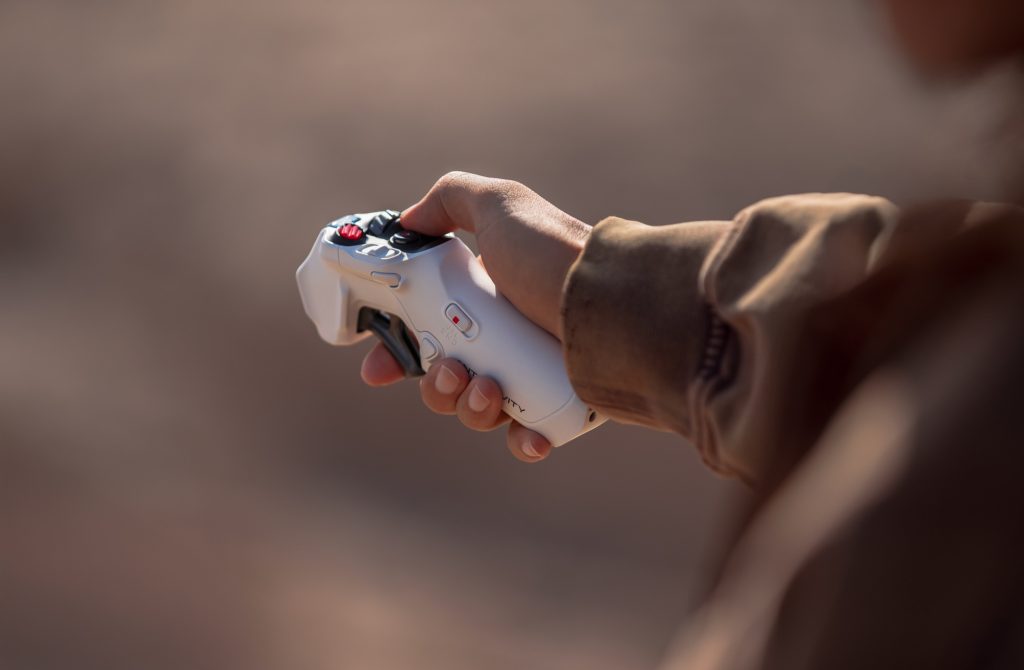
The Grip controller by Antigravity is pretty much the same as DJI’s Motion Controller; however, it has more features for flying the drone. To fly the Antigravity A1, you simply point the controller and press the trigger. Want to fly up? Point it up. Fly down? Point it down. Got to fly backward? Just turn around and start flying.
Pair this with the live 360 view; it’s an experience I hope everyone can have at least once. Truly magical.
Which is better?
It’s hard for me to say if the A1’s flight system is more intuitive because it just is, or because my previous experience with DJI made it easy to adapt to it. I will say I had way more fun flying the A1 than the Avatas, but mostly because of the 360 video aspect of it.
If the A1 made me feel like a bird, DJI made me feel like a fighter pilot. Both are fun, but sometimes I want to slow down and enjoy my surroundings versus zipping by them at a high speed.
While I compare these two systems as competitors, their drones really are not even close to that. The DJI Avata series is a front-facing FPV drone meant to capture FPV-like video. Meanwhile, the A1 is actually closer to the DJI Mini 5 Pro or Air 3S, meant to capture a subject from using slow sweeping movements vs high speed passes.
Both the “Look-and-fly” and “Point-and-fly” methods are phenomenal and great additions to the FPV drone space. They take what used to be just a tool for die-hard or professional drone pilots and made it additionally a fun experience you can have with almost anyone.


FTC: We use income earning auto affiliate links. More.


Comments