
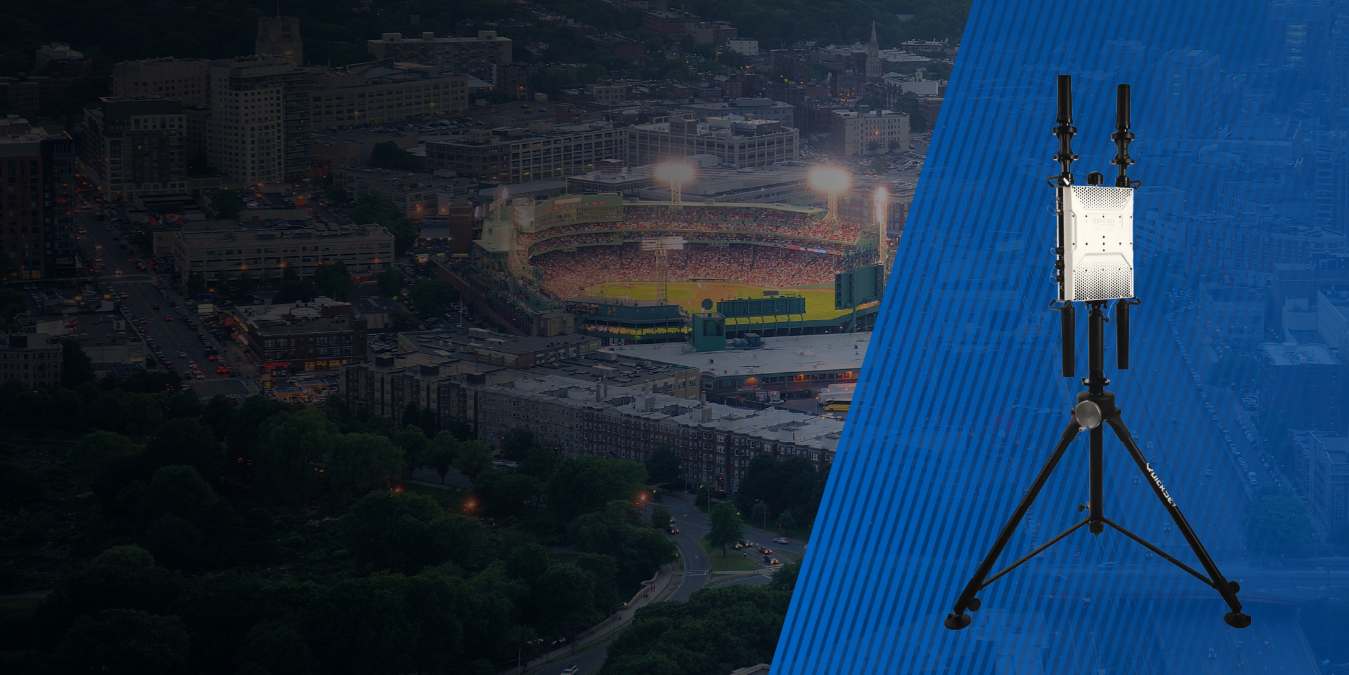
For years, the drone industry has focused on what aircraft can do in the sky. But a new $1.5 billion acquisition suggests the next big business opportunity may be controlling the drones you don’t want there.
Motorola Solutions has announced that it plans to acquire Israeli counter-drone specialist D-Fend Solutions for $1.5 billion, a move that says as much about the future of public safety as it does about the drone market itself.
On paper, the deal is straightforward. D-Fend develops technology designed to detect, identify, and safely neutralize unauthorized drones. Its systems are already deployed thousands of times across more than 30 countries and are used by government agencies, public safety organizations, and enterprises. The company has also been growing rapidly, reporting annual revenue growth above 50% over the past three years and expecting roughly $185 million in revenue for 2026.
But the real story isn’t Motorola buying a fast-growing technology company. The real story is that counter-drone technology is moving from a niche security tool into mainstream public safety infrastructure.
That shift has been building for years. Drones have become cheaper, more capable, and more widely available. While the overwhelming majority are used responsibly, authorities worldwide have increasingly faced incidents involving unauthorized flights near airports, stadiums, critical infrastructure, prisons, government facilities, and major public events.
Until recently, however, local authorities in the United States had limited options when it came to responding. That is beginning to change.
The recently enacted Safer Skies Act, included in the FY 2026 National Defense Authorization Act, expands authority for trained and certified state and local law enforcement agencies to detect, track, and in some cases mitigate drones that pose public safety threats. The law could significantly expand the customer base for counter-drone providers.
In other words, Motorola isn’t just buying technology. It’s buying a front-row seat to what could become one of the fastest-growing segments of the security industry.
What makes D-Fend particularly attractive is its approach. Instead of physically destroying drones or using jamming technologies that can disrupt nearby communications, the company specializes in non-kinetic radio-frequency cyber techniques. According to Motorola, D-Fend’s systems can take control of a rogue drone’s communications, redirect it, and safely land it while minimizing collateral disruption.
Related: Invisible drone defense helped secure the massive JUNO Awards crowd
That capability aligns neatly with Motorola’s broader public safety ecosystem, which already includes communications networks, command centers, video security systems, and emergency response technologies used by agencies across the United States.
Motorola CEO Greg Brown frames the acquisition as a response to a changing threat environment, arguing that simply detecting drones is no longer enough. Organizations increasingly want the ability to actively manage airspace threats without shutting down operations around them.
The deal, expected to close in the fourth quarter of 2026 pending regulatory approvals, highlights a broader reality: as drones become a routine part of everyday life, the business of stopping them may become just as important as the business of flying them. And Motorola appears convinced that future is arriving faster than many expected.
More: Drone industry’s biggest survey is back for 2026


FTC: We use income earning auto affiliate links. More.

Comments