
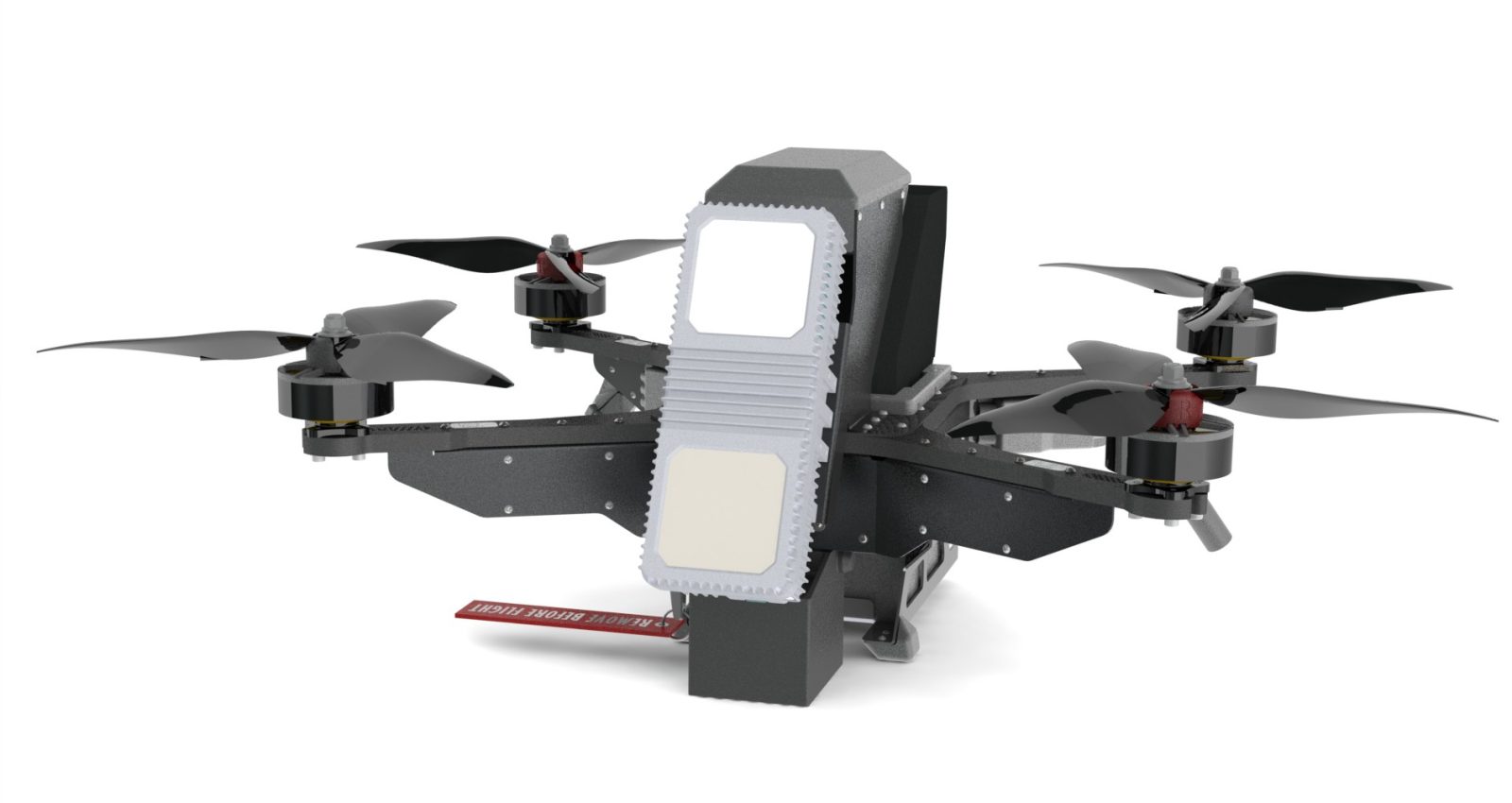
Fortem Technologies and MBDA are expanding their partnership to bring autonomous counter-drone systems into air defense networks used by military and government customers across Europe and allied markets worldwide. The expanded agreement builds on a technical collaboration launched in 2024, when the companies integrated Fortem’s DroneHunter autonomous interceptor into MBDA’s Sky Warden counter-uncrewed aircraft systems (C-UAS) architecture.
Now, MBDA will offer DroneHunter to its customers, allowing them to add the interceptor to their existing air defense networks instead of deploying an entirely separate system. Sales will remain subject to applicable export authorizations.
The companies are also jointly offering FireThorn, an autonomous interceptor they developed together to counter one-way attack drones and other hostile uncrewed aircraft, including Shahed/Geran and Orlan platforms.
The two systems offer different approaches to dealing with aerial threats.
DroneHunter uses a net to capture hostile drones, making it an option for environments where minimizing collateral damage matters or where operators want to recover a drone intact for evidence. FireThorn, meanwhile, is designed for more demanding engagements, using Fortem’s high-speed, radar-guided autonomous airframe and an MBDA NATO-approved warhead to destroy its target.
That distinction gives defense forces options based on the threat they face and the environment they need to protect.
“Militaries don’t need another standalone gadget. They need autonomous interceptors that plug into the architecture they already trust,” Fortem Technologies CEO Jon Gruen said in announcing the expanded partnership.
Gruen added that working with MBDA gives allied forces a faster route to protecting troops, military bases and critical infrastructure.
The partnership reflects a broader challenge facing modern air defenses: dealing with the growing use of relatively inexpensive drones for reconnaissance and attacks. Rather than relying on a single countermeasure, military operators increasingly need multiple ways to detect and defeat threats while accounting for the risks to people and infrastructure nearby.
More: FCC adds Pentagon letters to DJI and Autel drone ban records


FTC: We use income earning auto affiliate links. More.




Comments