
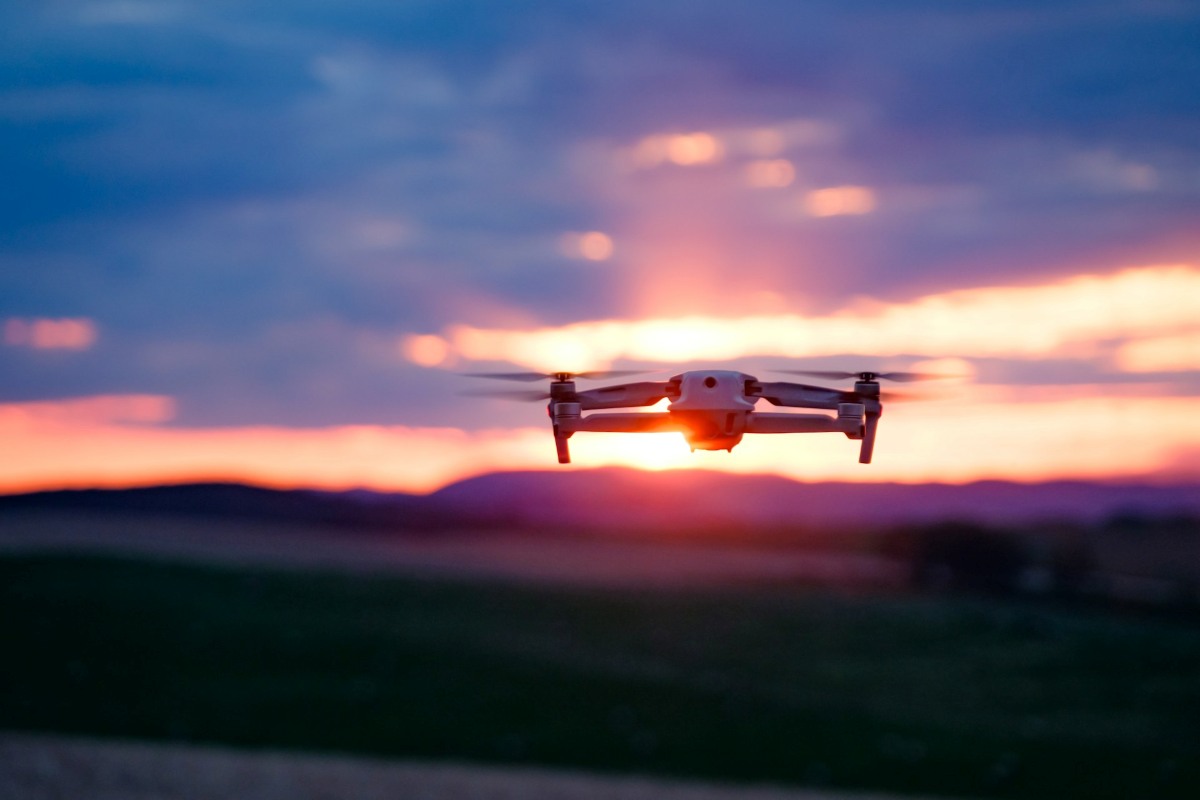
Fly your drone in the wrong place in the US, and it could cost you more than just your gear. It could hit your wallet with fines exceeding $100,000, and even land you behind bars.
That’s the stark warning now coming from a coordinated push by multiple federal agencies, including the Department of Justice (DOJ), Department of Homeland Security (DHS), Federal Aviation Administration (FAA), and Department of Defense (DOD). The crackdown is part of a broader effort led by the White House Task Force to Restore American Airspace Sovereignty, and officials are making one thing clear: there’s zero tolerance for illegal drone flights.
“As drone use continues to grow, we are stepping up enforcement,” says FAA chief counsel Liam McKenna. “Drone pilots are expected to follow FAA regulations just like any other pilot.”
In other words, hobbyist or not, the rules apply equally. And ignoring them could come at a steep cost.
Fines, prison, and losing your drone
Authorities say violators won’t just get a slap on the wrist. Flying a drone in restricted airspace — such as near airports, military bases, or large public events — can trigger civil penalties well above $100,000, along with federal criminal charges, possible imprisonment, and confiscation of your drone.
Yes, that means your expensive drone could be seized on the spot, and you could still owe a six-figure fine.
The warning also highlights the SAFER SKIES Act, a law that expands enforcement powers. It allows state, local, tribal, and territorial agencies to detect, disable, or even seize drones that pose a credible threat to public safety. That’s a major shift, effectively putting more boots on the ground to crack down on rogue flights.
What makes this crackdown even more serious is the technology now in play. According to officials, military and law enforcement agencies are equipped with advanced systems that can detect unauthorized drones before they even become visible threats. These systems can also pinpoint the operator’s exact location, meaning hiding behind distance or anonymity is no longer an option.
New: DJI sues Insta360 days before Avata 360 drone launch
“If you fly an illegal drone, you will be caught,” says US Army Brigadier General Matt Ross, Director of Joint Interagency Task Force 401 (JIATF-401). That’s not just a warning; it’s a signal that enforcement has entered a new phase, where authorities can track both the drone and the person controlling it in real time.
Public asked to report drone activity
Officials aren’t stopping at enforcement; they’re also asking the public to step in.
DHS is urging Americans to report suspicious drone activity, especially near sensitive locations or major events. “If you see something, say something,” Steven Willoughby, executive director of DHS’s Program Executive Office for Drones and Counter-Unmanned Aircraft Systems (Counter-UAS), insists.
That means a neighbor, bystander, or event attendee could be the one who reports an illegal flight — triggering a response that could quickly escalate.
Drone use across the US has exploded in recent years, from recreational flying to commercial applications like photography, inspections, and delivery trials. But with that growth has come rising concern over airspace safety, national security, and public event disruptions. Authorities say these stricter measures are designed to ensure that critical infrastructure, airports, and crowded venues remain protected. And they’re not taking chances.
So, if you’re flying a drone in the US, the margin for error just got a lot smaller. The message from federal agencies is loud and clear: know where you can fly, follow FAA rules, and don’t test restricted airspace. Because one wrong move could cost you your drone, your freedom, and a fine that could climb past $100,000.
More: US drone ban has a growing exemption list
FTC: We use income earning auto affiliate links. More.


Comments