
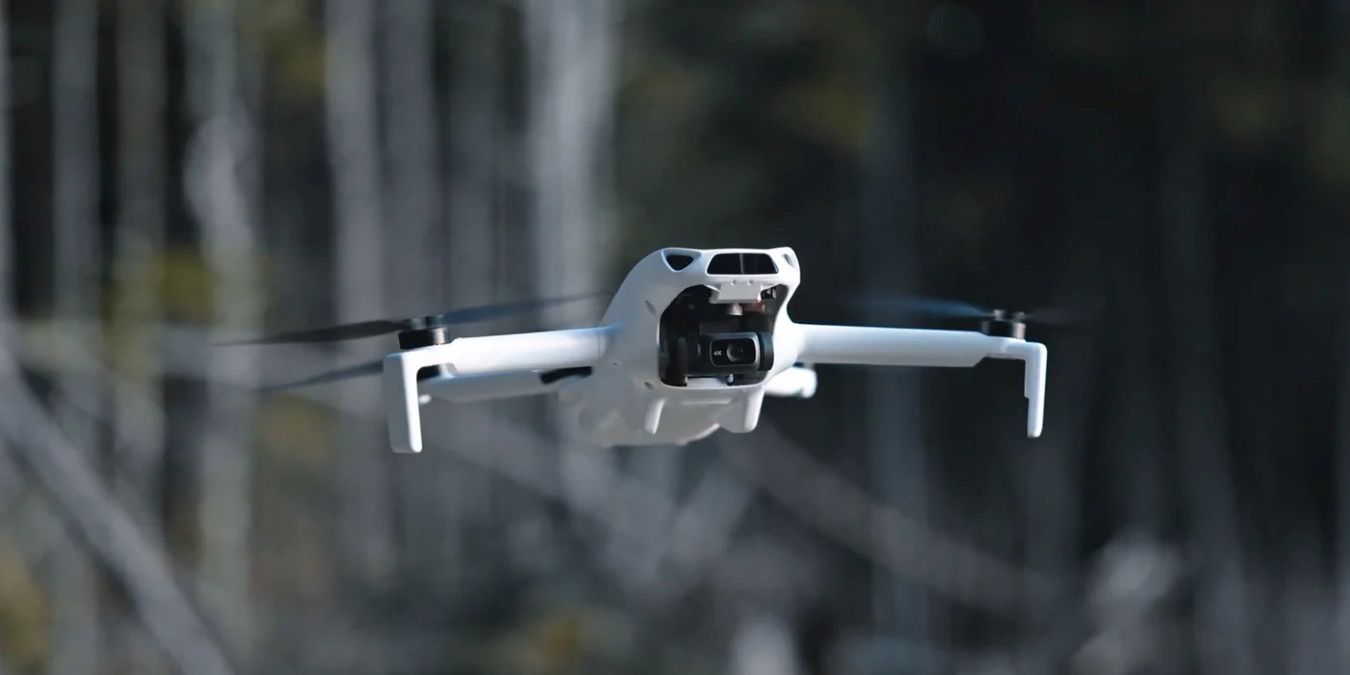
In the fast-crowding world of sub-250g drones, small differences in tracking, stability, and safety can make or break the experience, especially for creators who expect near-autonomous performance straight out of the box. A hands-on comparison between the DJI Mini 4 Pro and the lesser-known Skyrover S1 highlights how quickly the competition is catching up to DJI’s long-held dominance.
At first glance, both drones target a similar audience: lightweight, regulation-friendly flyers designed for travel, social media, and casual cinematography. Both drones sit under the FAA-friendly 249-gram threshold, both shoot 4K video at up to 60fps, and both support true vertical shooting via a rotating gimbal, which is critical for TikTok-first creators who don’t want cropped footage. But once you move past that baseline, the differences start stacking up in ways that feel very 2026.
To begin with, the $249 Skyrover S1 punches above its weight with a 1/2-inch Sony CMOS sensor, capable of 48MP stills and 4K/60fps video, stabilized by a 3-axis mechanical gimbal. It also claims up to 40 minutes of flight time and nearly 12km transmission range — numbers that would’ve sounded absurd in this price tier just a couple of years ago.
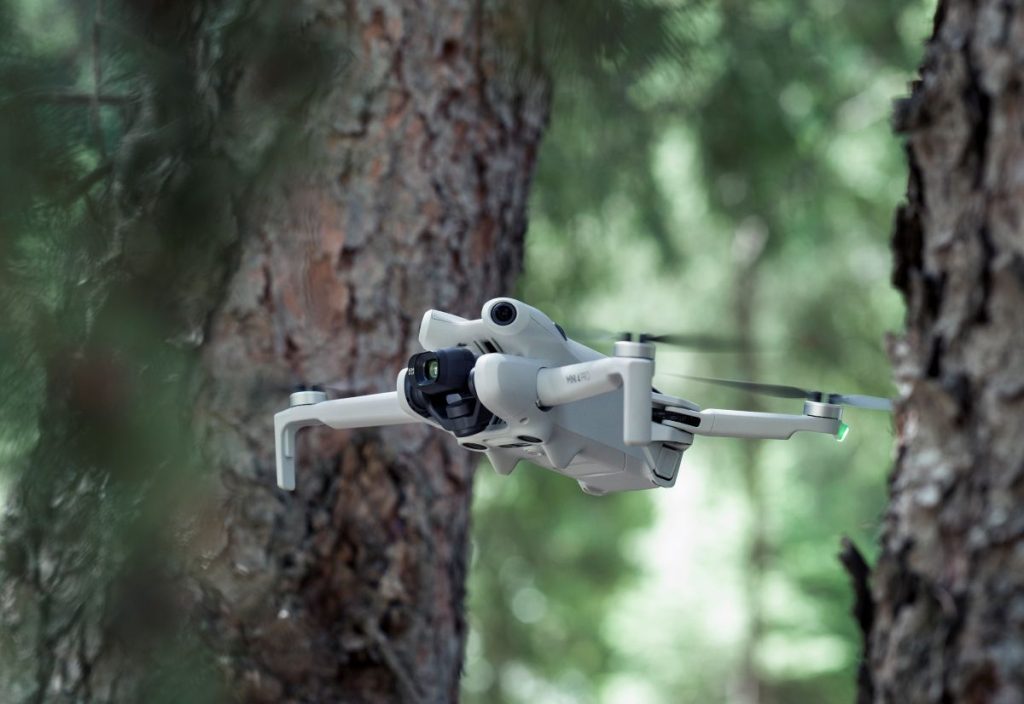
The $815 Mini 4 Pro, meanwhile, still sets the benchmark for polish. It features omnidirectional obstacle sensing, DJI’s O4 transmission system with up to 20km range, and advanced video features like 4K slow motion at 100fps and D-Log M color for serious post-production work.
More: 25 new DJI launches blocked by FCC, $1.5 billion at stake
Where Skyrover quietly pulls ahead
Auto-tracking:
The Skyrover S1 leans heavily into AI-assisted subject tracking, keeping subjects centered smoothly in both horizontal and vertical formats. In testing, it performs especially well during outdoor activities like cycling or jogging, where maintaining consistent framing can be tricky. For creators shooting TikTok or Instagram Reels, that native vertical tracking is a meaningful advantage.
By comparison, the DJI Mini 4 Pro still delivers reliable subject tracking, but it occasionally requires manual corrections, particularly in tight spaces or when the subject abruptly changes direction. That’s not unusual for DJI drones, which often prioritize precision over aggressive AI interpretation, but it does introduce a slightly steeper learning curve.
GPS stability:
The Skyrover S1 demonstrates hovering accuracy within roughly ±0.5 meters, holding position well in suburban environments. The Mini 4 Pro comes in just behind at around ±0.6 meters, with minor susceptibility to interference from nearby buildings or structures.
In real-world terms, most users won’t notice a dramatic difference here. Both drones are stable enough for cinematic shots, but the Skyrover’s marginal edge reinforces its positioning as a beginner-friendly option that “just works” without much tweaking
Obstacle avoidance:
The Skyrover S1 features forward obstacle detection that performs reliably even in tighter indoor or urban scenarios. This makes it particularly appealing for first-time flyers who are more likely to operate in constrained spaces like backyards, alleys, or indoor environments.
The Mini 4 Pro also includes obstacle sensing, but its effectiveness drops slightly in tighter or more complex environments. DJI’s system still excels in open outdoor spaces, but indoors or in dense urban settings, it can feel less forgiving.
So which drone actually wins?
Overall, the Mini 4 Pro benefits from DJI’s mature ecosystem: better app reliability, tighter controller integration (including a screen-equipped remote controller), and features like internal storage backup. It also supports more advanced color profiles and editing workflows — something content creators will notice immediately.
But which drone should you actually buy depends on who’s flying.
For experienced users or those already invested in the DJI ecosystem, the Mini 4 Pro still offers a refined, dependable experience backed by years of software polish and hardware reliability. But if you’re a first-time flyer, TikTok creator, or someone who just wants clean shots fast, the sub-$250 Skyrover S1 makes a strong case. Its stronger AI tracking, slightly better hovering precision, and more forgiving obstacle avoidance system make it feel tailored for the way people actually create content today: fast, mobile, and often solo.
That’s the bigger story here. DJI may still lead the category, but competitors are no longer just chasing; they’re redefining what “entry-level” drones should be capable of. And for consumers, that’s a win.
More: DJI Pocket 4 camera becomes first real casualty of US FCC ban
FTC: We use income earning auto affiliate links. More.

Comments