
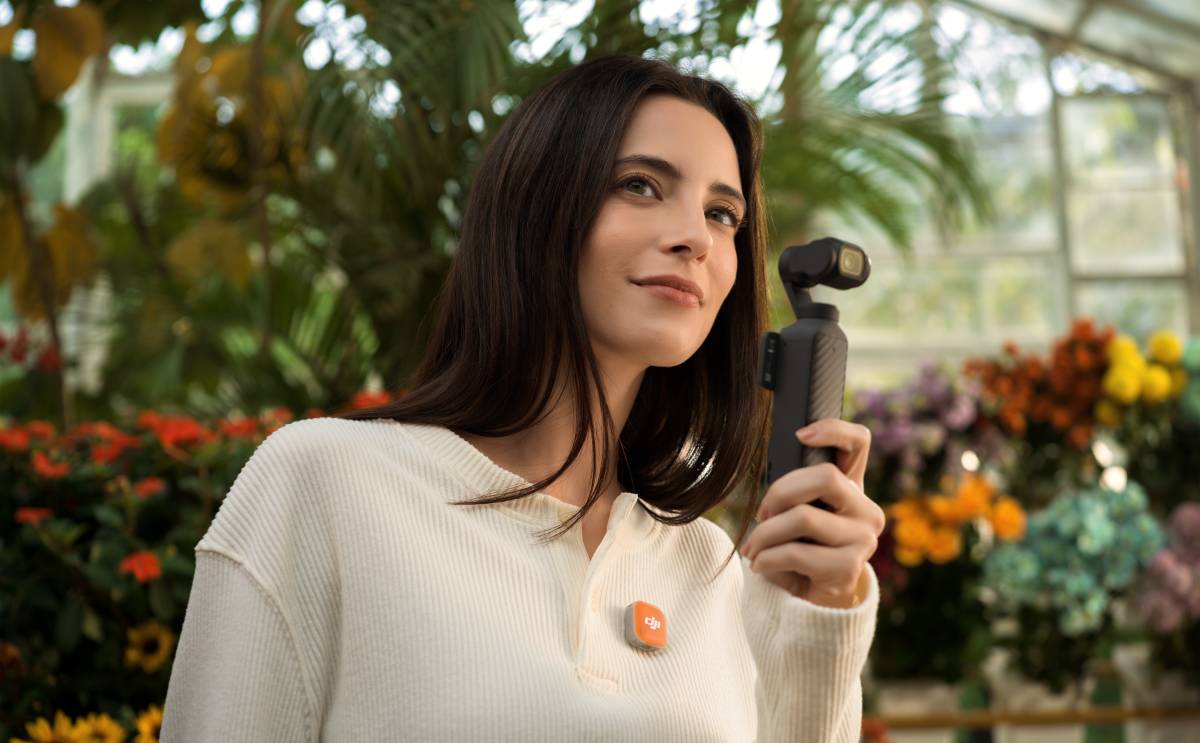
Across Europe and Asia, DJI’s latest gadgets are already in people’s hands. In the US, those same products are delayed, harder to find, or only available through third-party sellers after weeks of waiting. What started as a drone problem tied to national security concerns has quietly turned into something bigger — where even DJI’s cameras, microphones, gimbals, and power stations are getting held back, despite having nothing to do with drones.
DJI says the issue comes down to certification. In a recent filing with the Federal Communications Commission (FCC), the company revealed that Telecommunications Certification Bodies (TCBs) — the organizations responsible for approving wireless devices — are refusing to process any applications tied to DJI.
Not just drones. Everything.
That’s critical, because without FCC authorization, consumer tech products can’t be officially sold in the US.
According to DJI, this blanket refusal applies even to devices that:
- Don’t connect directly to the internet
- Don’t offer advanced communications services
- Aren’t used for surveillance
- And have nothing to do with drones
In other words, products that should have nothing to do with national security concerns are getting caught in the same freeze.
Related: 25 new DJI launches blocked by FCC, $1.5 billion at stake
Meanwhile, global buyers are already using them. Take the DJI Osmo Pocket 4, for instance. It’s one of the company’s most compelling handheld camera launches in years, featuring a larger 1-inch sensor, improved low-light performance, ultra-smooth 3-axis stabilization, and powerful video tools in a pocket-sized design. Exactly the kind of product that typically sees strong demand in the US. But it’s not officially available there.
The same pattern is playing out across categories. The Mic Mini 2, which was launched globally yesterday, has no clear US availability window. This tiny, fashion-forward wireless microphone system is designed for creators who care as much about sound as they do about style, and is priced at nearly half of what the DJI Mic Mini cost at launch.
Then there’s the DJI Power 1000 Mini, a compact portable power station designed for creators, travelers, and backup use — another category where DJI is expanding fast. All of these products are rolling out internationally. Just not in America.
More: FCC’s DJI drone ban review now depends on public feedback
Some of these devices do eventually show up in the US through third-party sellers on platforms like Amazon. But that’s not the same as an official launch. These listings often arrive weeks after global release. Buyers face higher prices, limited stock, and uncertain warranty coverage.
So while customers in Europe or Asia can order directly at launch, US buyers are left refreshing listings, importing units, or paying a premium.
And this isn’t just about one company’s products. DJI has become a serious competitor across multiple consumer tech categories — challenging GoPro and Insta360 in cameras, Rode in microphones, and Anker in portable power. When its products don’t officially launch in the US, it limits competition. And that ultimately affects pricing, innovation, and choice for consumers.
At its core, this situation is creating a growing disconnect. Drones being restricted is one conversation. But when cameras, gimbals, microphones, and power stations — products with completely different use cases — are also kept out of the market, it raises a much simpler question: If drones are the concern, why is everything else being blocked too?
Right now, the rest of the world is unboxing DJI’s newest gadgets. America is still waiting.
More: DJI users are creating videos you won’t believe

FTC: We use income earning auto affiliate links. More.

Comments