
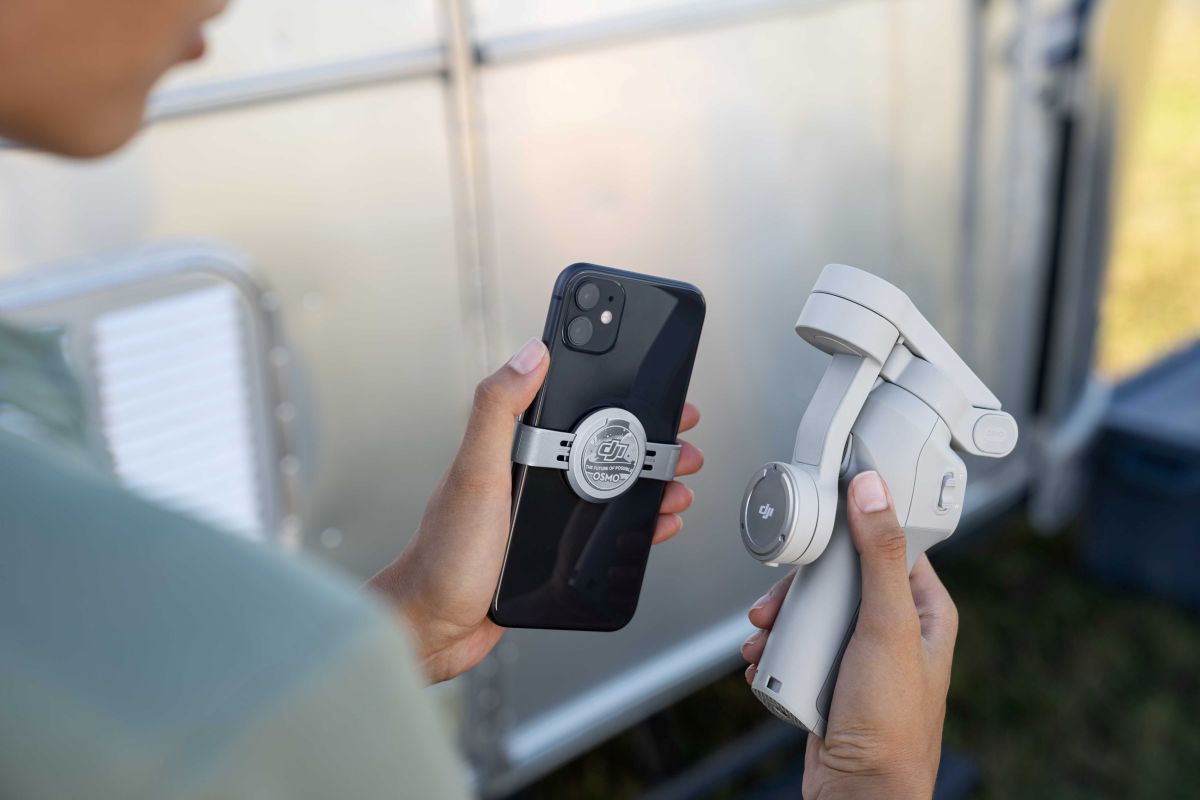
DJI is officially winding down support for two of its most popular smartphone gimbals: the Osmo Mobile 3 and DJI OM 4. And if you’re still using one of these devices to shoot TikToks, travel vlogs, YouTube videos, or family memories, this is one update you’ll want to pay attention to.
DJI says it will suspend service and support for both products starting August 3, 2026. That means after that date, users will no longer be able to receive official product maintenance, technical support, or customer service assistance for these aging gimbals.
The timing isn’t exactly surprising. DJI ended production of the Osmo Mobile 3 back in August 2021, while new OM 4 production reportedly stopped in June 2021. Still, for longtime creators who’ve held onto these reliable stabilizers, the announcement marks the end of an era.
In its notice, DJI explained that electronic products naturally have a fixed lifecycle due to changing technologies and evolving user needs. The company says it periodically reassesses older hardware so it can shift resources toward newer products and emerging technologies.
Translation? DJI wants users to move toward the latest generation of smarter, lighter, and more capable smartphone gimbals. And honestly, the leap in features over the last few years has been pretty massive.
The DJI Osmo Mobile 3 was a big deal when it launched in 2019 because it introduced a foldable design that suddenly made smartphone gimbals far easier to carry around. It also offered 3-axis stabilization, ActiveTrack subject tracking, gesture controls, Hyperlapse support, and impressive battery life for its time. Reviewers loved how lightweight and travel-friendly it felt. For many casual creators, it was the first smartphone stabilizer that felt genuinely portable instead of bulky camera gear.
Then came the DJI OM 4 in 2020, bringing one of the biggest usability upgrades DJI had introduced: the magnetic phone mounting system. Instead of clamping and balancing your phone every time, users could quickly snap devices into place using a magnetic clamp or ring holder. The OM 4 also improved motor strength, tracking performance, compactness, and shooting modes. Features like DynamicZoom, CloneMe Panorama, gesture control, and ActiveTrack 3.0 helped smartphone creators produce cinematic-looking footage without needing expensive camera equipment.
But smartphone videography has evolved dramatically since then. Today’s content creators want AI-powered tracking, faster setup, better low-light support, integrated extension rods, advanced stabilization algorithms, native vertical shooting optimization, and creator-friendly software workflows designed specifically for short-form platforms like TikTok, Instagram Reels, and YouTube Shorts.
That’s especially important for creators who rely on these gimbals professionally or use them regularly for travel content, real estate videos, livestreaming, or social media production. So, DJI’s announcement is basically a reminder that the smartphone creator market moves incredibly fast now. Features that felt revolutionary five years ago, like foldable designs and gesture controls, are now considered standard. And with smartphone cameras becoming more powerful every year, modern gimbals are increasingly evolving into intelligent AI-assisted filmmaking tools rather than simple stabilizers.
DJI is now clearly nudging users toward its newest smartphone filmmaking lineup: the Osmo Mobile 7P, Osmo Mobile 8, and the newly launched Osmo Mobile 8P. And the jump in capabilities compared to the older Osmo Mobile 3 and OM 4 generation is pretty dramatic.
The $99 Osmo Mobile 7P helped kick off DJI’s newer creator-focused approach, offering smarter ActiveTrack performance, smoother stabilization for walking and running shots, faster magnetic mounting, and improved controls designed specifically for TikTok, Instagram Reels, YouTube Shorts, and livestreaming workflows.
But DJI’s latest Osmo Mobile 8 series pushes things even further. The standard Osmo Mobile 8 ($125) brings features like 360-degree infinite rotation, upgraded ActiveTrack 8.0 subject tracking, native Apple DockKit support for iPhones, integrated audio recording support, fill lighting, pet tracking, and smoother low-angle cinematic shots. DJI has also improved the magnetic mounting system and added better integration with the DJI Mimo app for solo creators and vloggers.
Then there’s the new Osmo Mobile 8P, arguably DJI’s biggest smartphone gimbal upgrade yet. The standout feature is the new Osmo FrameTap remote, a detachable touchscreen controller that lets creators remotely monitor framing, control the gimbal, start recordings, and adjust movement while standing away from the phone. For solo creators, fitness instructors, livestreamers, and YouTubers, it solves one of the biggest frustrations in mobile filmmaking: not being able to properly see or control your shot from a distance.
The problem is, US creators may have trouble officially buying DJI’s latest flagship smartphone gimbal. While DJI has launched the Osmo Mobile 8P globally, the company has not officially released the product in the United States due to ongoing regulatory troubles.
That means US users looking to upgrade from the aging Osmo Mobile 3 or OM 4 may increasingly have to rely on third-party retailers, imports, or older officially approved DJI inventory, assuming availability remains stable. Still, the direction DJI is taking is pretty clear: smartphone gimbals are evolving from simple stabilizers into AI-powered filmmaking assistants built specifically for modern content creators.
More: The US wants to move beyond DJI drones, but can it?


FTC: We use income earning auto affiliate links. More.


Comments