
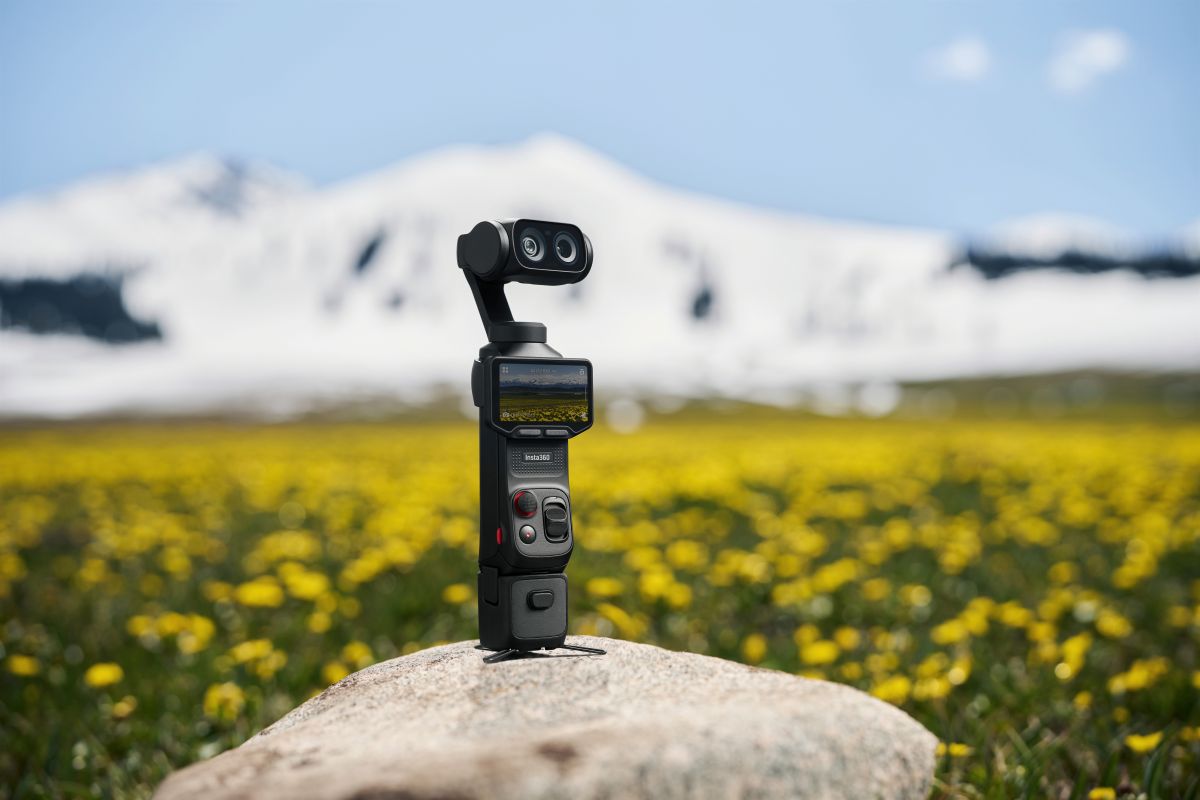
For years, creators looking for a compact stabilized camera have largely gravitated toward DJI’s Pocket series. Now, Insta360 is stepping into that space with what may be its most ambitious camera yet. The company has unveiled the Luna Ultra, a Leica co-engineered gimbal camera that combines a large 1-inch sensor, 8K video recording, AI-powered tracking, and a built-in three-axis stabilization system in a device small enough to fit in your pocket.
At the heart of Luna Ultra is a Leica Summicron lens paired with a 1-inch sensor capable of recording 8K video at 30 frames per second. That’s paired with a secondary telephoto camera featuring a 1/1.3-inch sensor and an F2.0 aperture, giving creators access to five focal lengths and up to 12x zoom, including 6x lossless zoom.
In practical terms, that means creators can go from wide travel shots to tighter portrait-style footage without carrying multiple cameras or swapping lenses.
The launch comes at a time when content creators are demanding more professional results from increasingly compact gear. Smartphones continue to improve, but dedicated cameras still hold advantages when it comes to image quality, stabilization, zoom performance, and creative flexibility.
That’s where Insta360 believes the $770 Luna Ultra stands out. The camera supports Dolby Vision recording, 10-bit I-Log capture, and up to 14 stops of dynamic range, features that will sound familiar to filmmakers and serious video enthusiasts. Those specs allow users to retain more detail in bright skies, dark shadows, and challenging lighting situations while giving editors more room to adjust colors in post-production.
New: DJI’s cheapest drone is even cheaper right now
Photography isn’t an afterthought either. Luna Ultra can capture 37MP still images and create massive 200MP panoramic photos designed for landscapes and travel photography.
One of the more interesting features is a mode called PureVideo, which uses AI processing to improve low-light footage by reducing noise and enhancing detail. Low-light performance has traditionally been one of the biggest weaknesses of compact cameras, making this a key battleground for creators who shoot at night, indoors, or during golden-hour conditions.
The camera’s processing power comes from what Insta360 calls a Triple AI Chip architecture, designed to handle image processing, tracking, and stabilization tasks simultaneously.
Speaking of stabilization, that’s another area where Luna Ultra appears determined to compete aggressively. The camera combines traditional three-axis mechanical stabilization with electronic image stabilization, helping deliver smooth footage whether users are walking through a city, filming travel content, or recording action sequences.
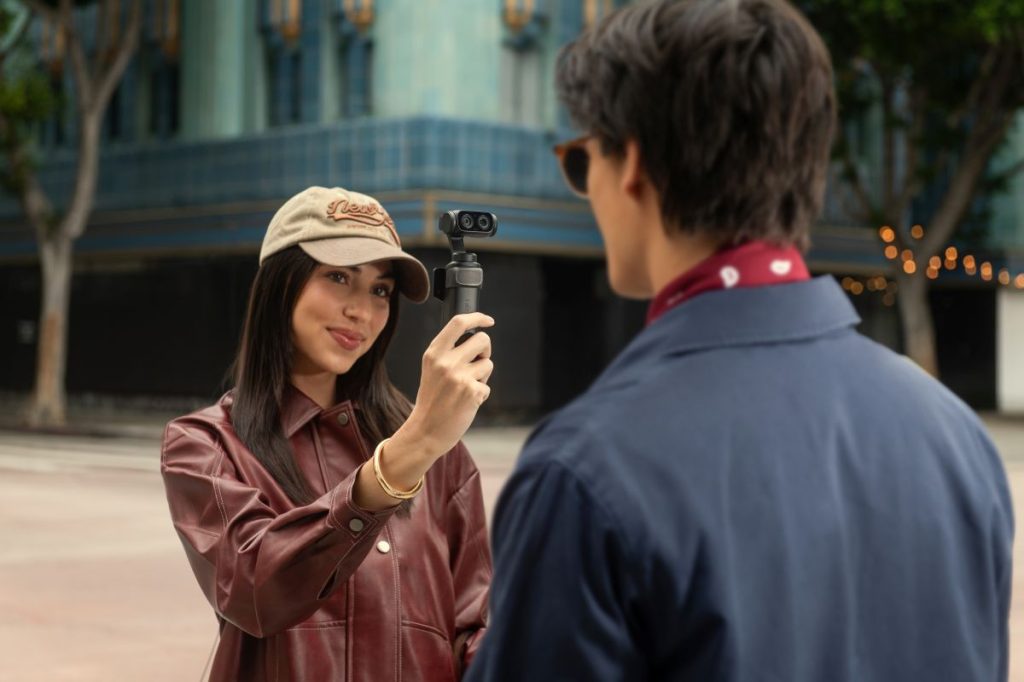
Its Deep Track 5.0 system adds another layer of intelligence. Features such as Auto Tracking, Active Zoom Tracking, Group Tracking, and Smart Framing are designed to keep subjects centered and in focus without requiring constant manual adjustments. For solo creators — a rapidly growing segment of the content market — that could be one of the camera’s biggest selling points.
Perhaps the most unusual feature is the detachable 2-inch OLED touchscreen. Insta360 says the screen can be removed and used remotely, allowing creators to monitor footage and control the camera from up to 20 meters away. It’s a feature that immediately opens up creative possibilities for vloggers, travelers, and anyone who regularly films themselves without a dedicated camera operator.
Despite all those capabilities, Luna Ultra weighs just over 200 grams, putting it in roughly the same portability class as a modern smartphone. Battery life is rated at up to four hours, with fast charging capable of reaching 80% in about 23 minutes. Users get 47GB of built-in storage, with support for microSD cards up to 1TB.
Beyond the hardware, Insta360 is also leaning heavily into software. AI-powered editing tools inside the Insta360 app can automatically identify highlights and generate social-media-ready clips. Professional users, meanwhile, get support for workflows such as ACES color management, built-in timecode synchronization, and compatibility with editing platforms including Adobe Premiere Pro and Final Cut Pro.
The launch also highlights the growing relationship between Insta360 and Leica. The two companies have now collaborated for six years across five products, combining Leica’s renowned optics and color science with Insta360’s imaging and software expertise. Luna Ultra was officially unveiled at Leica’s headquarters in Germany, underscoring the significance of the partnership.
Whether Luna Ultra ultimately becomes a serious challenger to DJI’s Pocket lineup remains to be seen. But one thing is clear: the competition for creators’ wallets just got a lot more interesting.
More: DJI vs Insta360: The creator-tech cold war is officially over


FTC: We use income earning auto affiliate links. More.




Comments