
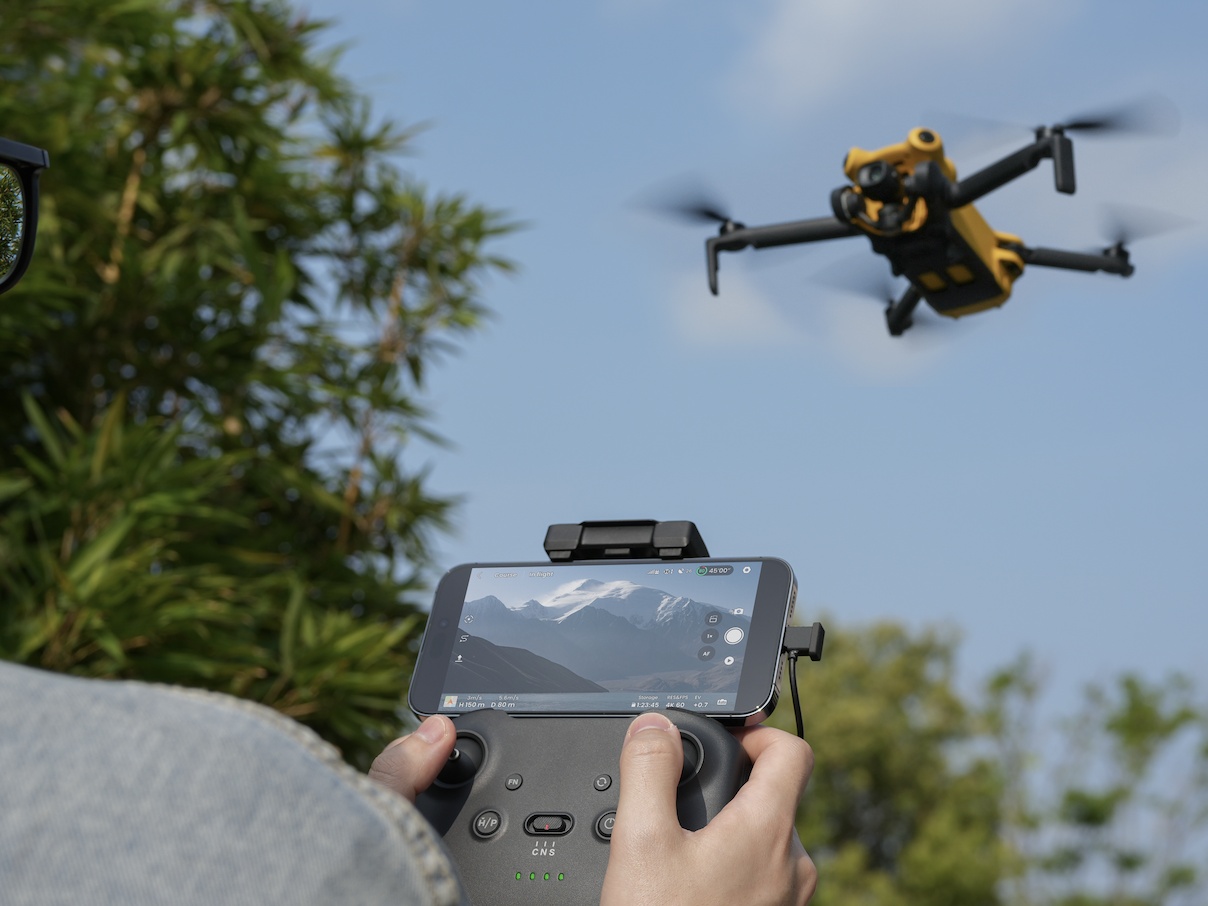
If you’ve been shopping for drones or creator gear on Amazon lately, you’ve probably noticed some unfamiliar names popping up alongside DJI. Brands like SkyRover and Specta have been selling products that look strikingly similar to DJI hardware, often at attractive prices and with Prime shipping. Now, the Federal Communications Commission (FCC) wants to make it much harder for companies it believes are acting as intermediaries for restricted drone manufacturers to continue selling products in the United States.
The FCC has released a Notice of Proposed Rulemaking seeking public comment on whether to prohibit the continued importation and marketing of previously authorized equipment from nine companies it says are linked to entities on the FCC’s Covered List. The companies named are Cogito Tech, Fikaxo Technology, Lyno Dynamics, Skyhigh Tech, Spatial Hover, SZ Knowact Robot Technology, WaveGo Tech, Xtra Technology, and agricultural drone maker XAG.
The proposal marks the FCC’s biggest escalation yet in its effort to prevent what it says are attempts to keep restricted foreign drone products flowing into the US under different company names.
Why these companies?
This proposal didn’t come out of nowhere. Earlier this month, the FCC proposed $25,000 fines against eight of these companies after alleging they ignored formal Letters of Inquiry seeking information about whether they were marketing radio equipment linked to entities on the Covered List. The agency warned that failing to cooperate could lead to additional enforcement actions.
Now those additional actions have arrived.
According to the FCC, these companies allegedly continued to import or market products connected to manufacturers that the Commission has already determined pose “an unacceptable risk to the national security of the United States.” The new proposal would effectively prevent those firms from continuing to sell previously authorized products in the US if the rule is finalized.
So is this about DJI?
Indirectly, yes. Directly, no.
The FCC isn’t announcing a new ban on DJI itself in this proceeding. Instead, it’s trying to close what it believes is a loophole.
The Commission argues that simply restricting one company isn’t enough if products can continue reaching US consumers through affiliates, subsidiaries, distributors, or companies created specifically to market essentially the same hardware under different branding. That’s why the proposal extends beyond individual company names to include affiliates and business partners associated with those entities.
Think of it this way. If regulators believe one front door has been locked, they’re now trying to make sure nobody simply walks in through the side entrance.
So, what about DJI drones on Amazon? This is where things get interesting for everyday buyers.
If you’re currently browsing Amazon for a DJI Mini 5 Pro, Mavic 4 Pro, DJI Flip, or the budget-friendly Mini 4K, this proposal doesn’t suddenly make those products disappear. Nor does it make existing DJI drones illegal to own.
Instead, the FCC’s action focuses on products sold by companies it believes are helping restricted manufacturers continue reaching the US market under different identities.
For shoppers, that could mean fewer mystery brands showing up next to DJI in Amazon search results if the proposal becomes final. Someone searching for a DJI Mini 4 Pro alternative, for example, may have previously encountered products like the SkyRover X1. Under the FCC’s proposal, products from companies like SkyRover’s associated businesses could become much harder to import and sell in the United States.
One of the most important details buried in the FCC proposal is what isn’t changing. The Commission specifically says consumers who already own affected products would continue to be able to use them. This isn’t a remote kill switch. It’s not a product recall. And it’s not a proposal requiring people to stop flying drones they’ve already purchased. Instead, the restrictions are aimed at future commercial activity — importation, marketing, distribution, and sales — not existing ownership.
Why is the FCC escalating now?
The timing isn’t accidental. Last December, the FCC expanded its Covered List restrictions to include new foreign-made drones and critical drone components, significantly limiting the ability of affected manufacturers to obtain equipment authorizations required for US sales.
But regulators appear to believe some companies simply adapted by changing names rather than changing products. The Commission cites evidence gathered during its investigations, along with publicly available information, to argue that several businesses may be functioning as intermediaries for Covered List manufacturers. The proposal also follows the FCC’s recent enforcement actions against one of the certification labs involved in approving some of these products.
So, what happens next? Well, nothing changes overnight. The FCC has opened the proposal for public comment before deciding whether to adopt the new restrictions.
Manufacturers, retailers, trade groups, drone operators, and consumers will all have an opportunity to weigh in before commissioners vote on a final version.
If adopted, the proposal would prohibit the named companies — and their affiliates, subsidiaries, and partners — from continuing to import, market, distribute, or sell covered products that had previously received FCC equipment authorization.
The thing to remember is that whether you’re a commercial pilot or someone buying their first camera drone, this proposal reflects a broader shift in how the US government is approaching the drone industry.
The conversation is no longer just about DJI. It’s increasingly about supply chains, corporate relationships, and who is actually behind the logo on the box.
For years, consumers mostly cared about flight time, camera quality, and price. Now regulators are paying just as much attention to ownership structures, certification records, and whether one company is effectively standing in for another.
For Amazon shoppers, that means familiar products like the DJI Mini 5 Pro, Mavic 4 Pro, Flip, and Mini 4K remain the benchmark many buyers compare against. But if the FCC gets its way, some of the cheaper “DJI alternatives” that have appeared over the past year may no longer be available—not because of how they fly, but because of who regulators believe is really selling them.
More: This DJI Mini 5 Pro drone deal saves up to $110 today

FTC: We use income earning auto affiliate links. More.


Comments