
When community leaders first proposed using drones to help protect residents, not everyone was convinced. Some questioned the cost. Others worried about privacy. But then the drones started finding missing people, guiding first responders, and responding to emergencies in seconds instead of nearly an hour.
Today, the Indigenous-led drone program in Wiikwemkoong Unceded Territory — one of Canada’s few recognized unceded First Nation territories — has become a model that other communities are eager to learn from. Located on Manitoulin Island, the world’s largest freshwater island, the community conceived, funded, and operates the entire program itself, making it one of Canada’s most notable examples of Indigenous-led public safety technology.
And unlike many technology projects, this one didn’t begin with a wish list of new gadgets. It began with a conversation about protecting people.
Years ago, community leaders were discussing whether they should invest in surveillance cameras and, eventually, drones. The technology wasn’t cheap, and there wasn’t really a blueprint for another First Nation doing something similar.
That’s when Chief Tim Ominika Ogimma shifted the discussion with a simple question: What’s more important — saving money or saving lives?
That question changed everything. Rather than waiting for outside funding or mandates, the community chose to invest in the technology itself because protecting residents came first.
Built by the community, for the community
While drones are becoming increasingly common in public safety agencies across North America, Wiikwemkoong’s program stands apart for one important reason: it’s run by the community it serves.
Residents are trained to operate the drones, support emergency responders, and help keep watch over their own neighbours. Community leaders also made transparency a priority from the very beginning, regularly updating residents, demonstrating the technology at public events, and even introducing local high school students to drone technology in hopes of inspiring future careers.
That gradual, open approach helped turn early skepticism into support.
From one DJI drone to an advanced fleet
The program didn’t become sophisticated overnight. It started with a single DJI Mini drone before expanding to enterprise aircraft equipped with optical zoom cameras, thermal imaging, spotlights, and loudspeakers. Today, permanently installed drone docks are positioned across the territory, allowing aircraft to launch remotely within seconds whenever they’re needed.
For drone enthusiasts, DJI’s Mini lineup has become one of the most popular consumer drone series thanks to its lightweight design and impressive camera quality. Models like the DJI Mini 5 Pro combine omnidirectional obstacle sensing, 4K HDR video, and intelligent flight modes in a drone weighing under 249 grams, while the more affordable DJI Mini 4K offers an easy entry point for beginners looking to capture aerial photos and videos.
Wiikwemkoong’s public safety missions, however, rely on DJI’s enterprise platforms, which add specialized tools like thermal cameras and remote docking capabilities that consumer drones aren’t designed to provide.
Why drone docks made such a difference
The territory covers roughly 65,000 hectares (about 160,000 acres) of forests, hills, valleys, waterways, and nearly 220 kilometres (137 miles) of shoreline.
Getting eyes on an emergency isn’t always easy.
Before drone docks, personnel often had to drive to a location, unpack equipment, and manually launch a drone — a process that could take around 45 minutes. During Northern Ontario winters, when temperatures can plunge below -20°F (-29°C), standing outside preparing equipment wasn’t exactly practical either.
Drone docks changed that completely.
Instead of transporting a drone to the scene, aircraft are already waiting inside weather-protected docking stations positioned around the territory. When an emergency call comes in, a drone can be airborne almost immediately.
The concept, often called “Dock as First Responder,” is gaining traction worldwide because it allows drones to arrive well before ground crews, providing emergency responders with a live aerial view while they’re still en route.
New: Two more drones escape FCC foreign drone ban
Even the cameras can dispatch drones
The drone network works alongside an extensive security camera system that has grown from around a dozen cameras to roughly 700 across the community.
Unlike fixed cameras, drones can fly beyond buildings, forests, and hills to give responders a much broader picture of what’s happening.
The latest addition goes a step further.
Using automated dispatch technology, the camera system can trigger a nearby docked drone to launch on its own and head directly to an incident without waiting for someone to manually deploy it.
When situations escalate in seconds, every minute saved matters.
A missing elder showed why it matters
The biggest proof of the system’s value came during a search for a missing elder.
A docked drone equipped with a thermal camera launched into the night and located the individual in darkness. By the time emergency crews reached the elder, they were already showing signs of hypothermia.
Community leaders believe the drone may have prevented a tragedy.
Since then, the aircraft have also helped with welfare checks, supported investigations where fixed security cameras couldn’t see what happened next, searched for lost hikers, and monitored major public events.
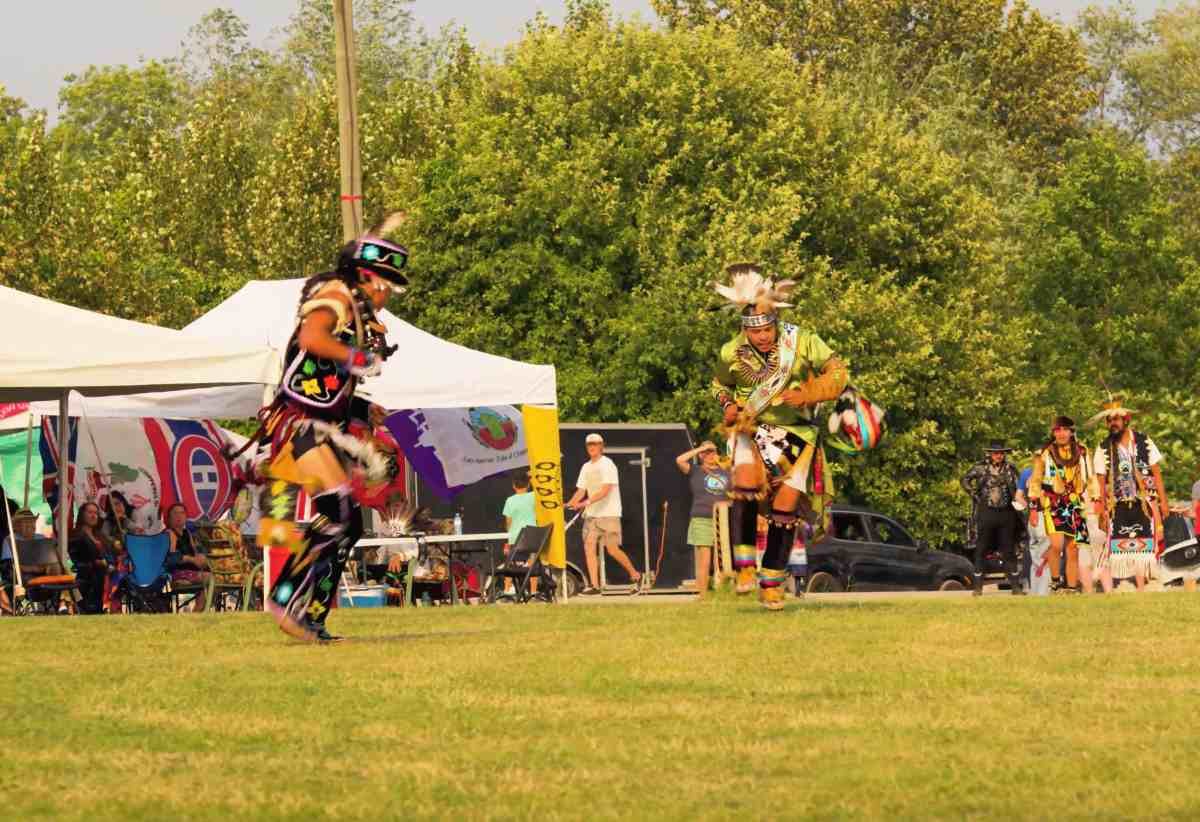
One of the biggest is Wiikwemkoong’s annual cultural festival, home to one of North America’s largest powwows. During the event, the local population can triple, making aerial situational awareness especially valuable for emergency responders managing large crowds.
Like many communities introducing surveillance technology, Wiikwemkoong initially faced concerns about privacy. Some residents wondered whether the drones would be watching them.
But as people saw the aircraft being used to locate missing residents, support emergency responders, and improve public safety, attitudes shifted.
According to community members featured in the case study, residents who once questioned the program now often find reassurance in seeing a drone overhead, knowing help can arrive faster if someone is in trouble.
Inspiring other communities
Wiikwemkoong’s success hasn’t gone unnoticed. Police agencies and other First Nations have begun visiting the community to see the operation firsthand and learn how a locally run drone program can improve emergency response.
Community leaders say they’re happy to share what they’ve learned and help neighbouring communities develop similar capabilities.
For Wiikwemkoong, the drones represent something bigger than technology. They’re a way to strengthen public safety while maintaining local leadership, preserving self-governance, and embracing modern tools on the community’s own terms.
If you’d like to see the operation in action, DJI has published a detailed video case study showing how Wiikwemkoong’s drone team uses docked drones, thermal imaging, and automated dispatch to protect the community — from locating missing residents to supporting first responders during emergencies.


FTC: We use income earning auto affiliate links. More.




Comments