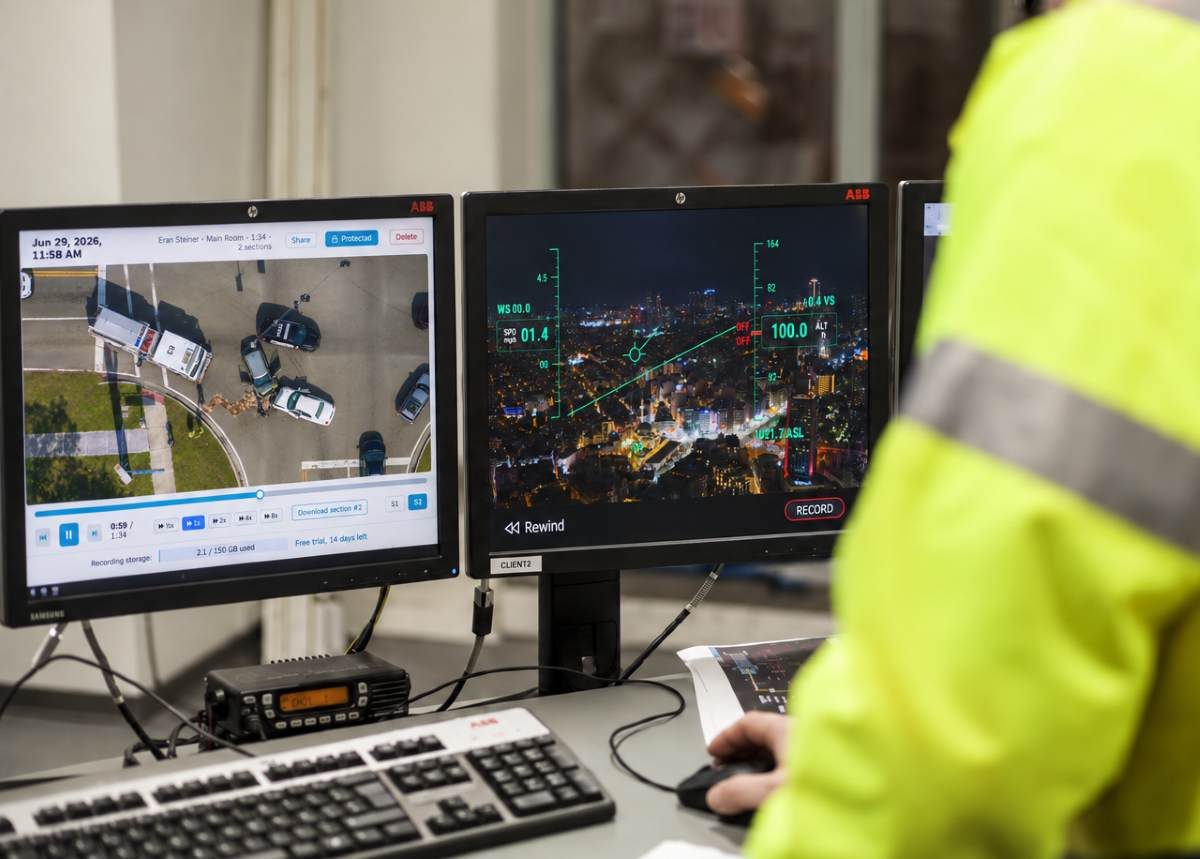
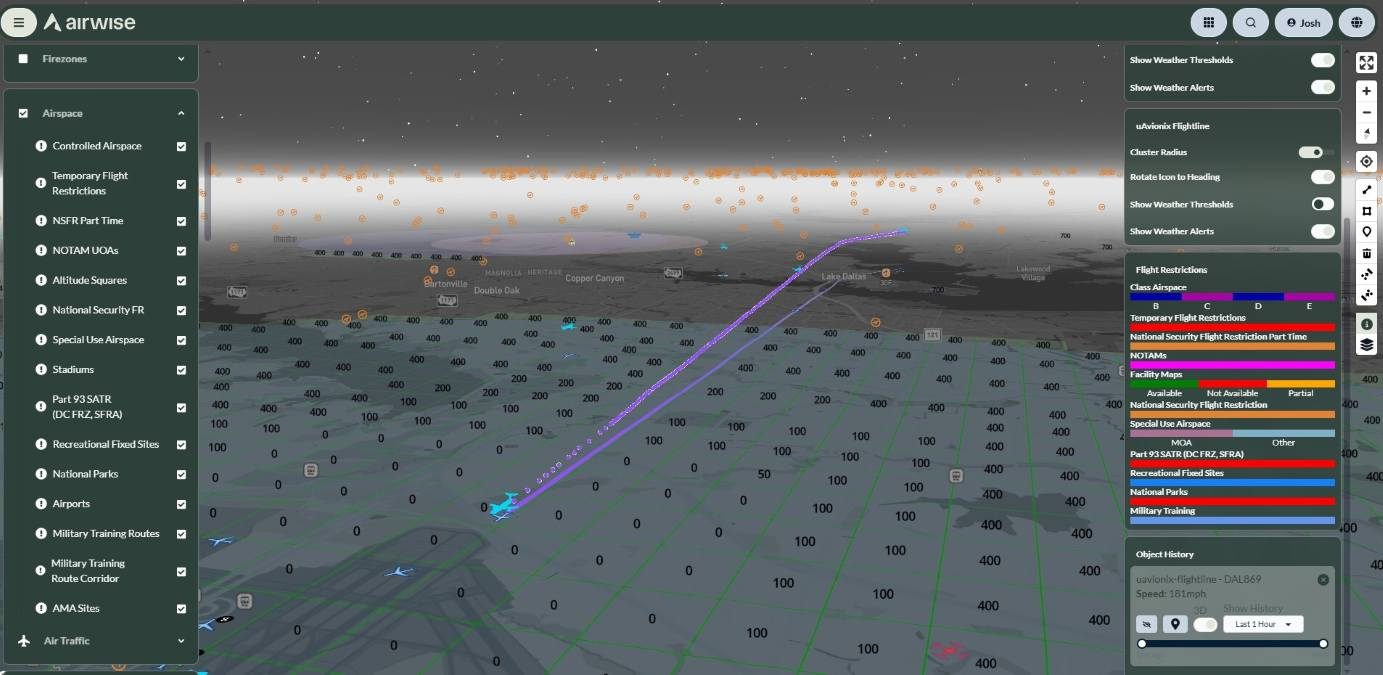
The City of Dallas is officially putting drones on the front lines of emergency response, and in some cases, they may arrive before police officers or firefighters do.
As Australia moves closer to broader beyond visual line of sight (BVLOS) drone operations, two companies are teaming up to help enterprises navigate what could become the country’s next major aviation shift. FlytBase and Yarra Drones have announced a partnership focused on helping businesses deploy compliant, scalable, and hardware-flexible autonomous drone programs across Australia.
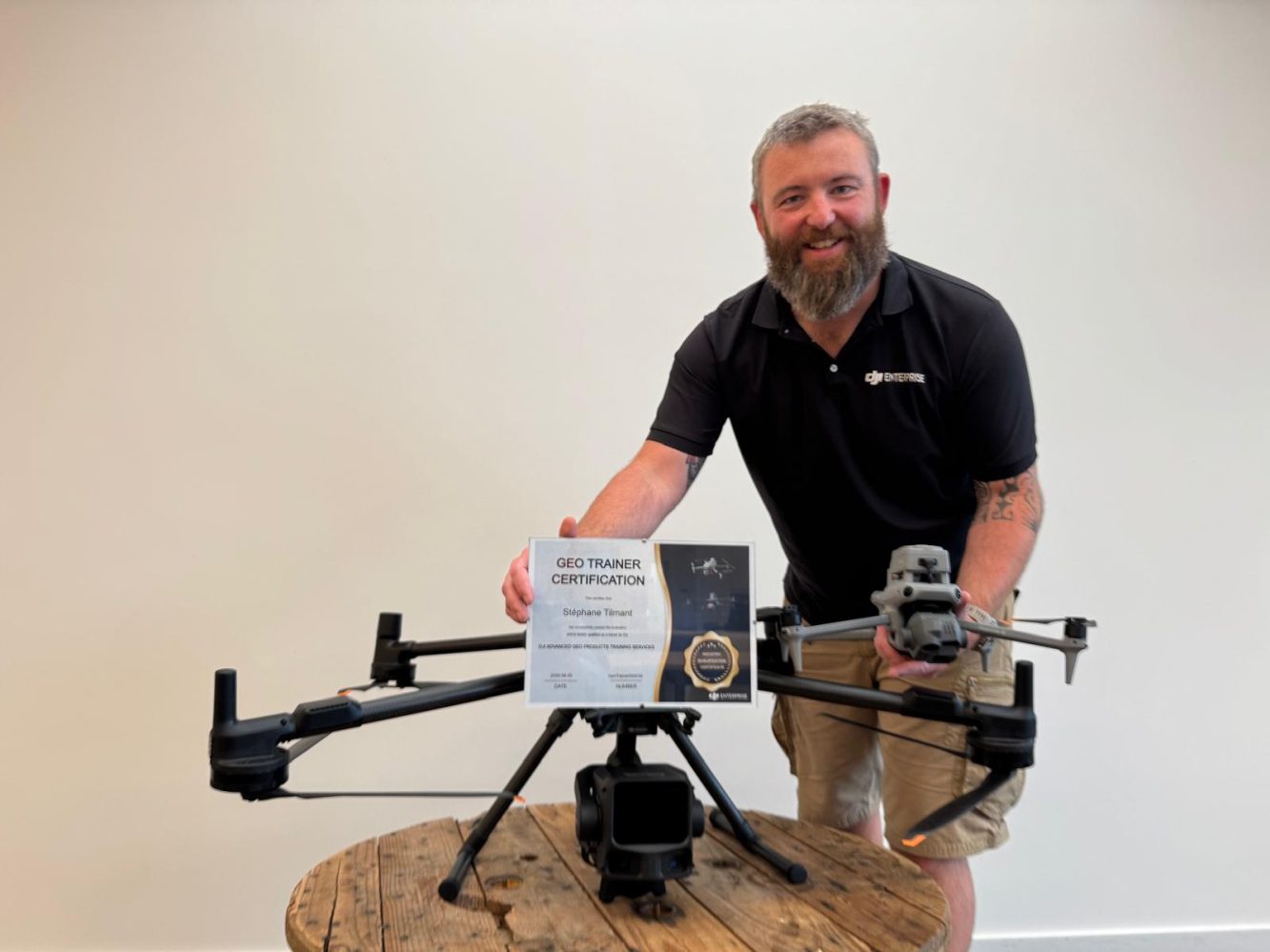
DJI is continuing its rapid push into enterprise drone software with another update to DJI Terra, and while version 5.2.5 may look modest at first glance, it actually addresses several workflow frustrations that professional drone operators deal with every day.
When the Federal Communications Commission (FCC) added DJI and Autel equipment to its Covered List, many drone operators feared the move could eventually turn thousands of perfectly functional aircraft into outdated, unsupported hardware. But in a decision released earlier this month, the agency quietly hit pause on what could have become a major operational and cybersecurity headache for the US drone industry.
For years, scaling drone operations has largely meant one thing: buying more docks. Whether it’s public safety agencies launching Drone as First Responder (DFR) programs or utility companies inspecting power lines, the formula has been fairly straightforward, with each drone typically needing its own dedicated dock. But according to California-based drone company SiFly Aviation, that approach becomes expensive and inefficient pretty quickly once operations start growing. Now, the company says it has a better idea.
As governments and enterprise customers across North America continue searching for alternatives to Chinese-made drones, Canadian drone company Draganfly and Japanese drone maker ACSL are teaming up to bring a new NDAA-compliant drone option to Canada.
Drones have gotten incredibly good at flying, but out at sea, landing them is still a gamble. Constantly shifting decks, unpredictable waves, and slippery surfaces mean even experienced pilots can struggle, forcing most offshore operators to limit flights to calm conditions. Now, a young maritime tech company thinks it has finally cracked the code.
Aerial Vehicle Safety Solutions (AVSS) is pushing drone utility into an explosive new territory, literally. The Canadian drone safety company has just wrapped up real-world testing of a system designed to trigger avalanches remotely, using drones to drop explosives in controlled conditions.
DJI has rolled out a new update to DJI Modify, introducing workflow improvements that aim to make large-scale 3D models easier to process, edit, and share.
UK drone solutions provider Coptrz is teaming up with Amsterdam-based drone maker Avy for emergency services and defense sectors. The deal is designed to unlock long-endurance, Beyond Visual Line of Sight (BVLOS) drone operations — something governments worldwide are racing to scale.
DJI is doubling down on one of the biggest shifts happening in the drone industry right now: moving from simply capturing data to actually understanding it in real time.
If there’s one thing construction teams everywhere can agree on, it’s this: visibility is everything. And now, DroneDeploy is doubling down on that idea through a new partnership with Cairn Homes — Ireland’s leading homebuilder — to bring advanced drone reality capture tech across more than 25 residential developments. The goal? Make construction smarter, safer, and far more data-driven.
XTEND is doubling down on one of the biggest challenges in modern warfare: how to stop hostile drones, without making things worse in the process. The AI-driven robotics company, backed by Eric Trump, has announced a new partnership with ParaZero Technologies as part of its broader $1.5 billion public-market merger. Together, the companies are rolling out a fully autonomous drone interception system that can detect, chase, and capture enemy drones mid-air using a physical net. Yes, a net.
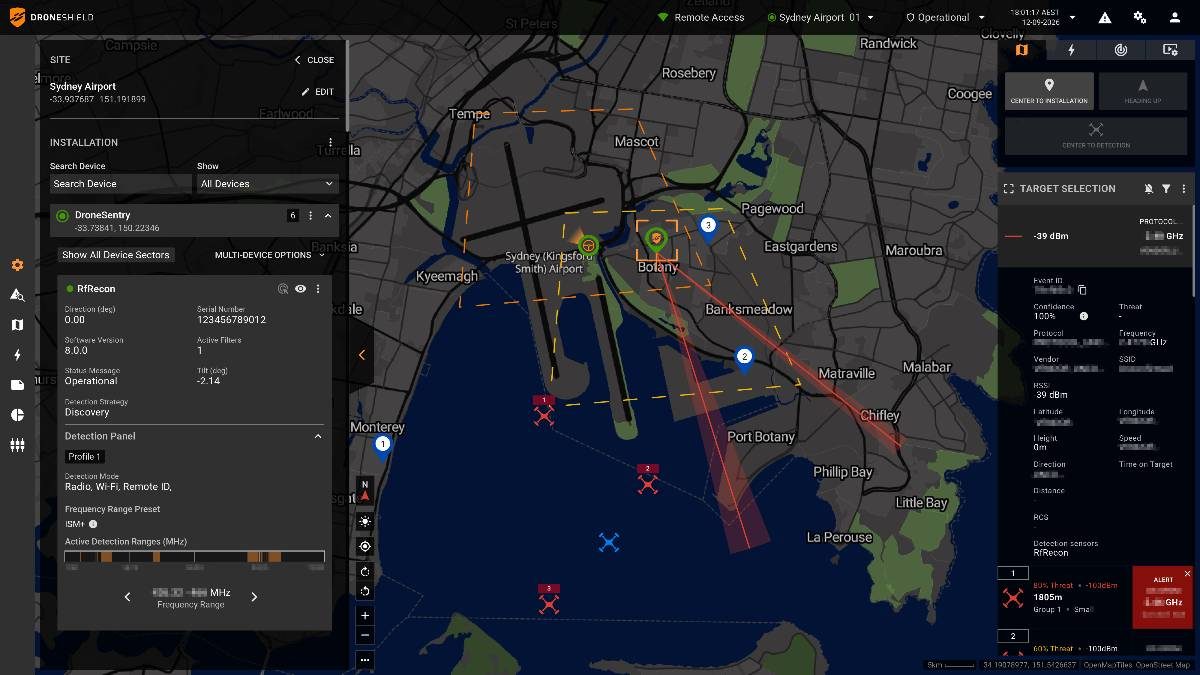
Drone threats aren’t slowing down in Europe, and neither is DroneShield. The Australia-based counter-drone and electronic warfare specialist has officially opened its new European headquarters in Amsterdam, signaling a deeper, more permanent push into one of its fastest-growing markets.
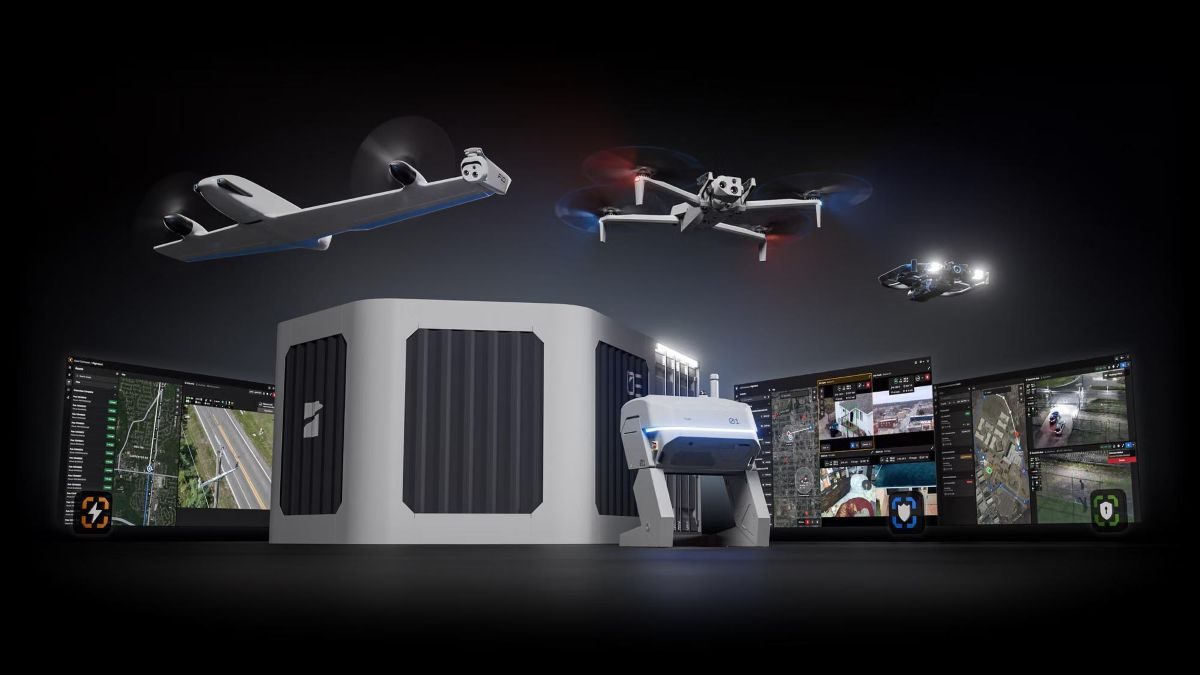
Sphere is tightening its grip on autonomous drone deployments with a set of practical upgrades to its HubT platform, but the biggest shift is how the system is now built.
Wingtra is stepping into 2026 with a clear message for the surveying world: the future of mapping might not need ground control points at all. The Switzerland-based drone company recently launched the SURVEY61 payload, designed to work with the WingtraRAY drone. And the pitch is hard to ignore — survey-grade accuracy down to 3 cm (0.1 ft), without the traditional need for GCPs (ground control points). For an industry where time, labor, and safety risks are tightly intertwined, that’s a potentially big shift.
Drones responding to 911 calls are no longer experimental. Across the US, police departments are already using Drone as First Responder (DFR) programs to get eyes on emergencies faster than patrol units. In many cities, drones arrive in under two minutes, well before officers. But even with that progress, the tech still has friction. Drones need to stop and recharge. Coverage areas are limited. Connectivity can fail in the worst moments. Now, BRINC says its new Guardian drone is built to fix those exact problems.
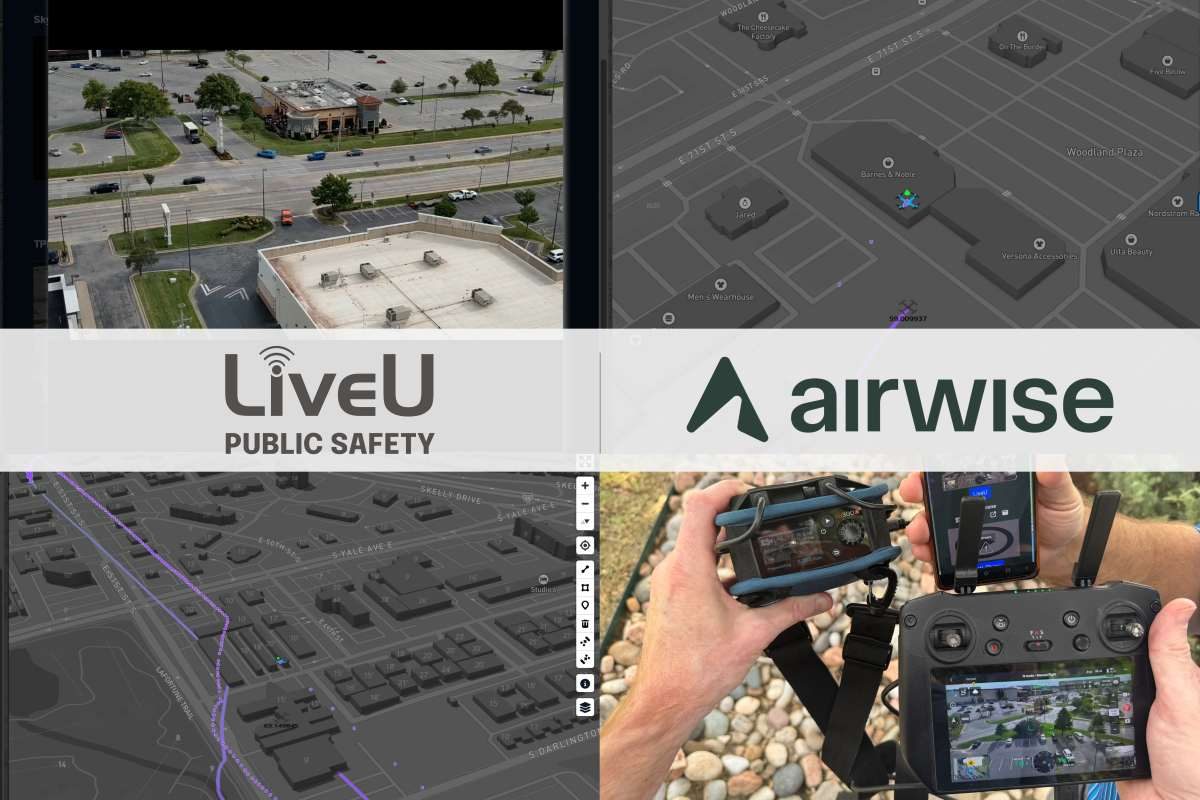
Public safety agencies across the United States have been rapidly expanding their drone programs in recent years… from police departments using drones to respond to emergency calls to firefighters deploying them for situational awareness during wildfires. Now, one of the world’s most widely used drone fleet management platforms is trying to make it easier for those programs to get off the ground.
Anzu Robotics, a Texas-based drone manufacturer that launched its Raptor series as an alternative to DJI in 2024, has announced that the line is no longer available for purchase due to persistent component shortages that have stalled further production. In an official notice from CEO Randall Warnas, the company said it had pursued multiple supply solutions without success and will instead shift focus to a “next generation” product designed to meet new commercial and regulatory demands.
The first weekend of the 2026 Milan Cortina Winter Olympics is over. Medals have already been awarded, there’s been great success and also some devastating moments. But what has been on my mind all weekend is a certain consistent buzzing noise during almost every downhill run: FPV drones.
Over the last week, Seattle and the surrounding King County have been receiving historic flooding. While local emergency services, the US Coast Guard, and the Washington National Guard are the key pillars of rescue operations, a drone proved to be a shockingly good tool in the rescue of a stranded man on top of his car.
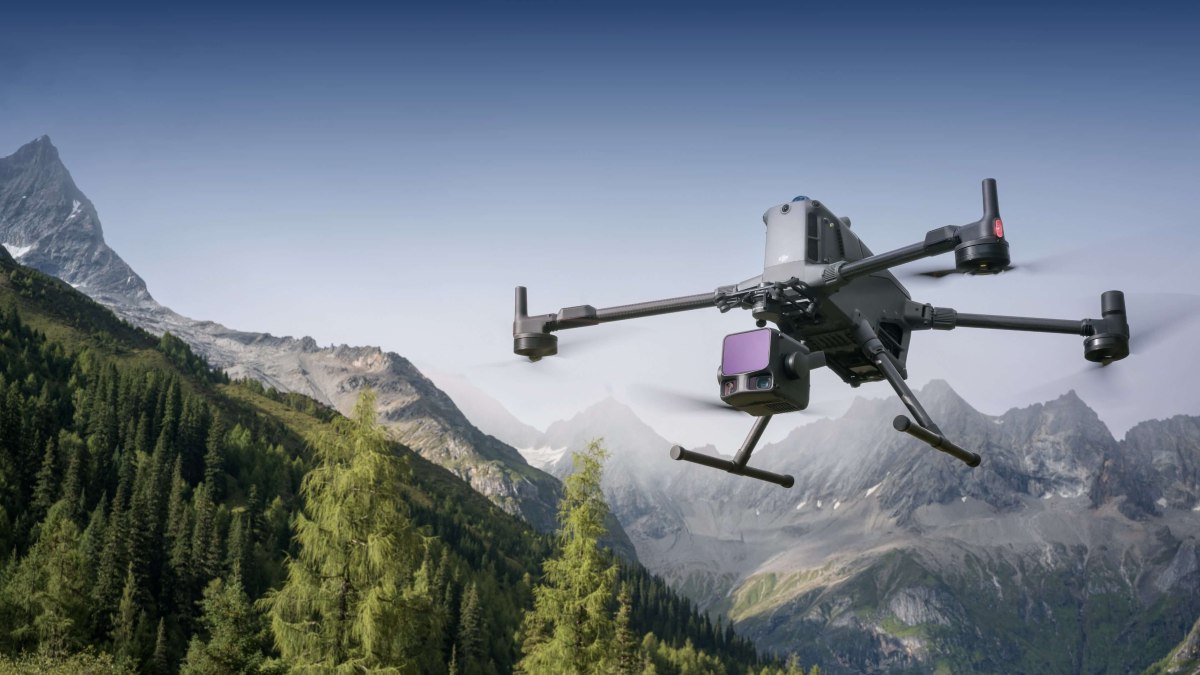
DJI just dropped a serious upgrade for mapping professionals, and it’s not a drone this time. Meet the Zenmuse L3, DJI’s first long-range, high-accuracy aerial LiDAR system that’s designed to take geospatial mapping and surveying to a whole new level.
The DJI Mavic 3 Enterprise promises survey-grade precision and professional versatility, but not every upgrade translates into a better user experience. After a year of real-world use, I found that DJI’s fine-tuned design choices reveal both brilliance and frustration in equal measure. Here’s what new pilots and seasoned pros alike should know before investing in the enterprise lineup.
If you fly a DJI drone in the United States for professional purposes, buckle up: the Federal Aviation Administration’s new draft rule, FAA Part 108, could dramatically alter the way you operate. On paper, Part 108 is meant to finally normalize routine beyond visual line of sight (BVLOS) flights at scale, a move many in the drone industry have been waiting for years. But as written, it could shut out much of the existing DJI fleet, or any other non-US-made drone that American pilots actually use every day.