
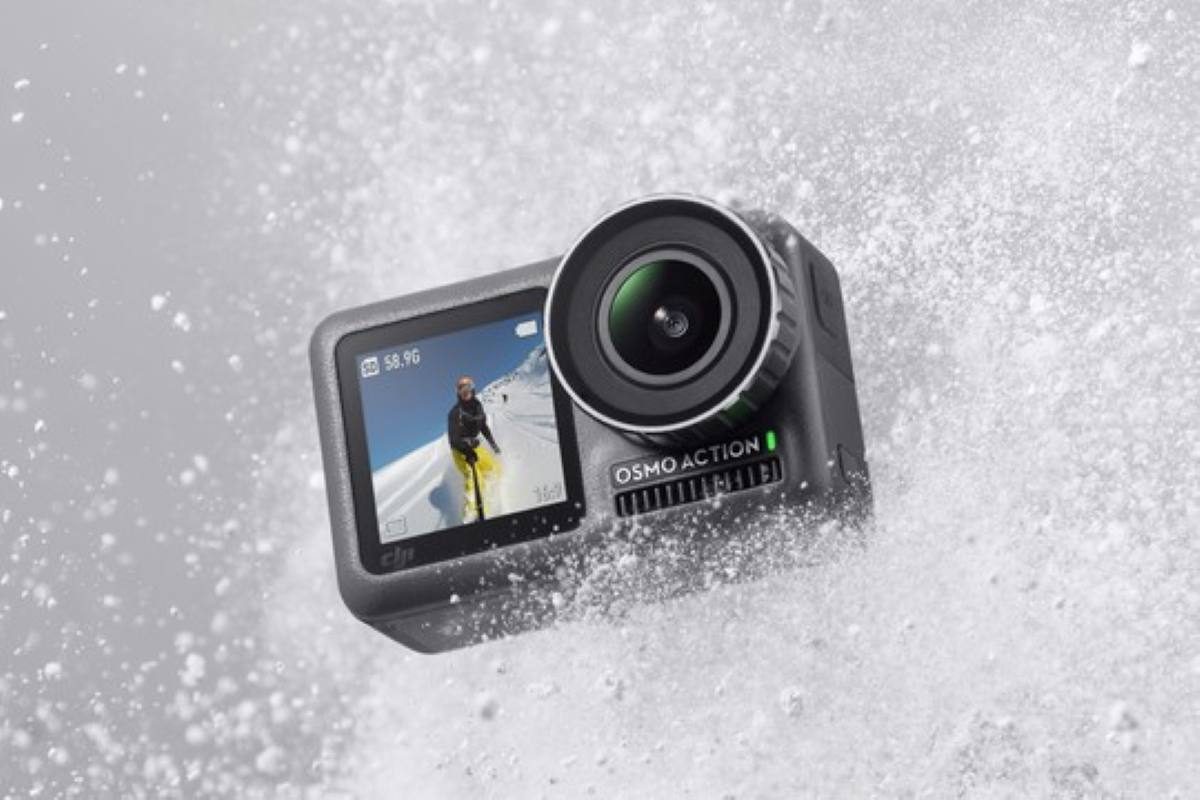
Back in 2019, DJI entered the action camera market with something to prove. The original Osmo Action wasn’t just another GoPro alternative; it was the first mainstream action camera with a front-facing color display, making it dramatically easier for vloggers and creators to frame themselves without guessing. Combined with RockSteady electronic stabilization, 4K/60fps recording, and a rugged waterproof design, it quickly became one of DJI’s most memorable consumer products. Now, that pioneering camera is officially reaching the end of its journey.
DJI has announced that it will suspend all support services for the original Osmo Action beginning November 2, 2026, nearly five years after production ended in November 2021. After that date, the company says it will no longer provide product inquiries, technical support, or repair services for the camera and its accessories.
The move isn’t particularly surprising. Consumer electronics companies routinely phase out support for aging products once replacement parts become scarce and engineering resources shift toward newer hardware. Still, for longtime DJI fans, it marks the end of a camera that helped redefine what users expected from an action camera.
When the Osmo Action launched, one feature immediately stole the spotlight: its dual-screen design. While competitors required external accessories or smartphone apps to check framing, DJI built a bright front display directly into the camera. That seemingly simple decision made life much easier for vloggers, travelers, and anyone filming themselves on the move.
The camera also introduced RockSteady stabilization, delivering impressively smooth footage without a gimbal, while offering 4K video at up to 60 frames per second, HDR recording, voice control, and waterproofing down to 11 meters (36 feet) without an additional housing. Together, those features helped establish DJI as a serious player in the action camera market.
In its support notice, DJI says every generation of electronics has a fixed product lifecycle as technology and user needs evolve. The company explained that it periodically reallocates resources toward newer products and technologies, encouraging customers still using discontinued devices to upgrade so they can continue receiving customer service and benefit from the latest features.
Fortunately, DJI’s action camera lineup has evolved dramatically since that first model.
The latest Osmo Action 6 represents a major leap forward with its larger 1/1.1-inch square sensor, DJI’s first variable-aperture lens on an action camera, 4K Custom recording mode, 50GB of built-in storage, extended battery life, and improved stabilization and audio capabilities.
If anyone needed proof that the latest model is built for extremes, DJI recently provided one of the most unusual demonstrations imaginable.
Last month, twelve unmodified Osmo Action 6 cameras were mounted directly onto LandSpace’s reusable Zhuque-3 rocket, becoming the first consumer action cameras to capture first-person footage throughout an entire rocket launch, spaceflight, and recovery. DJI says the cameras endured surface temperatures approaching 500°C (932°F) during reentry while continuing to record valuable onboard footage for engineers. The same mission also showcased the upcoming Osmo 360 II, which captured panoramic launch footage. That’s certainly a long way from mountain biking or surfing.
For owners still relying on the original Osmo Action, the November 2 deadline doesn’t mean the camera will suddenly stop working. You’ll still be able to use it normally as long as it’s functional. However, if it develops a hardware issue after support ends, DJI will no longer offer repairs or technical assistance.
If you’ve been waiting for a reason to upgrade, that support deadline may finally be it. And considering the newest Osmo Action has literally been to space and back, it certainly offers a compelling glimpse of just how far DJI’s action camera lineup has come.
More: The GoPro you grew up with is disappearing


FTC: We use income earning auto affiliate links. More.





Comments