
Here’s something DJI buyers don’t want to hear: your drone price might not have been negotiable. An Australian agricultural drone distributor has admitted it illegally tried to stop resellers from discounting DJI products, triggering action from the country’s competition regulator.
Australia busts DJI drone price-fixing tactics
According to Australia’s competition watchdog, the Australian Competition and Consumer Commission (ACCC), Drone TK Australia Pty Ltd, trading as Tekron, has admitted to engaging in illegal “resale price maintenance.”
Between April 2024 and at least June 2025, Tekron required certain resellers to sell DJI drone products at prices it set — or at prices agreed upon between Tekron and the reseller.
Under Australian law, that’s a big no-no. Suppliers are allowed to suggest a recommended retail price (RRP). But they cannot force resellers to stick to a minimum price or stop them from advertising discounts.
According to the ACCC, Tekron went further than suggestions. It included pricing terms in reseller agreements and communicated what it described as “minimum” prices. In one case, a reseller was told it could privately discount DJI drone products in direct deals, but it was not allowed to publicly advertise lower prices.
That’s the line regulators say was crossed. “We enforce resale price maintenance laws to protect consumers from higher costs,” says ACCC Commissioner Luke Woodward. “Recommended retail prices are only suggestions.”
Tekron is an Australian distributor of agricultural drones and accessories supplied by DJI. It does not sell directly to consumers; instead, it sells to independent resellers who then sell to farmers and businesses. That means pricing control at the distributor level can ripple through the entire market.
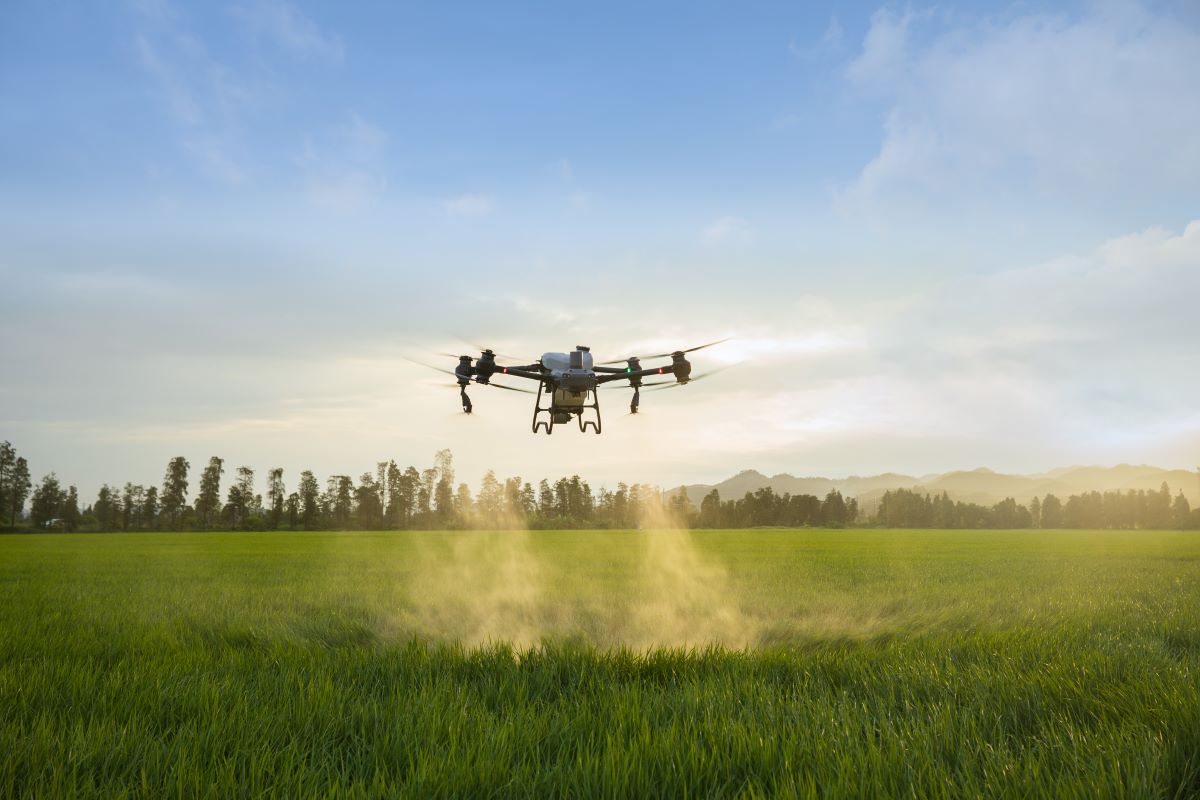
DJI’s Agras series — including popular crop-spraying drones like the Agras T30 and T40 — is widely used in large-scale farming operations. These aircraft can spray crops, spread seeds, and manage fields far faster than traditional methods. In competitive markets like agriculture, pricing can significantly influence purchasing decisions. When resellers aren’t free to compete on price, regulators argue, farmers and agricultural operators may end up paying more.
But it’s important to note that the ACCC’s action targets Tekron’s conduct — not DJI itself. There’s no indication that DJI directed or required this behavior.
Still, whenever DJI products are involved, it draws attention. DJI remains the world’s largest civilian drone manufacturer, dominating both consumer and enterprise segments globally.
What Tekron must now do
The ACCC has accepted a court-enforceable undertaking from Tekron under Australia’s Competition and Consumer Act. That means Tekron has formally admitted to breaching competition law and must:
- Update its contracts and marketing materials
- Remove language that could pressure resellers on minimum pricing
- Issue corrective notices telling resellers they are free to set their own prices
- Implement a competition and consumer law compliance program for three years
The regulator says resale price maintenance is “strictly prohibited” under Australian competition laws. That includes situations where a supplier:
- Refuses to supply a reseller unless they agree not to discount
- Threatens to withhold supply if a reseller advertises lower prices
- Uses pricing statements that imply goods cannot be sold below a certain level
In short: You can suggest a price. You can’t enforce it.
Also, this isn’t an isolated incident. In December 2025, the ACCC accepted a court-enforceable undertaking from industrial drone supplier EE Group, which similarly admitted to engaging in resale price maintenance involving DJI drone products. In that case, EE Group required resellers to comply with its pricing strategy and told some that it would stop supplying DJI drones if they didn’t agree to sell at a specified minimum price.
For regulators, that pattern matters. “Addressing anti-competitive agreements and practices is an enduring compliance and enforcement priority,” the ACCC says.
This happened in Australia, but the issue is universal. Resale price maintenance laws exist in many countries, including the United States, though enforcement standards vary. The core idea is simple: competition keeps prices down. When distributors restrict discounting, consumers lose.
For American farmers using DJI agricultural drones, competitive reseller pricing can mean thousands of dollars in savings per unit. Agricultural drones are major capital investments, often costing tens of thousands of dollars depending on configuration and payload capacity. When distributors quietly restrict price competition, the impact can be significant.
This case is also another reminder of DJI’s enormous footprint in global markets. Whether in consumer drones, enterprise systems, or agriculture, DJI products are central to supply chains worldwide. And when a brand dominates a category, pricing dynamics around it become even more sensitive.
More: You might regret missing this DJI Mini 5 Pro deal


FTC: We use income earning auto affiliate links. More.


Comments