
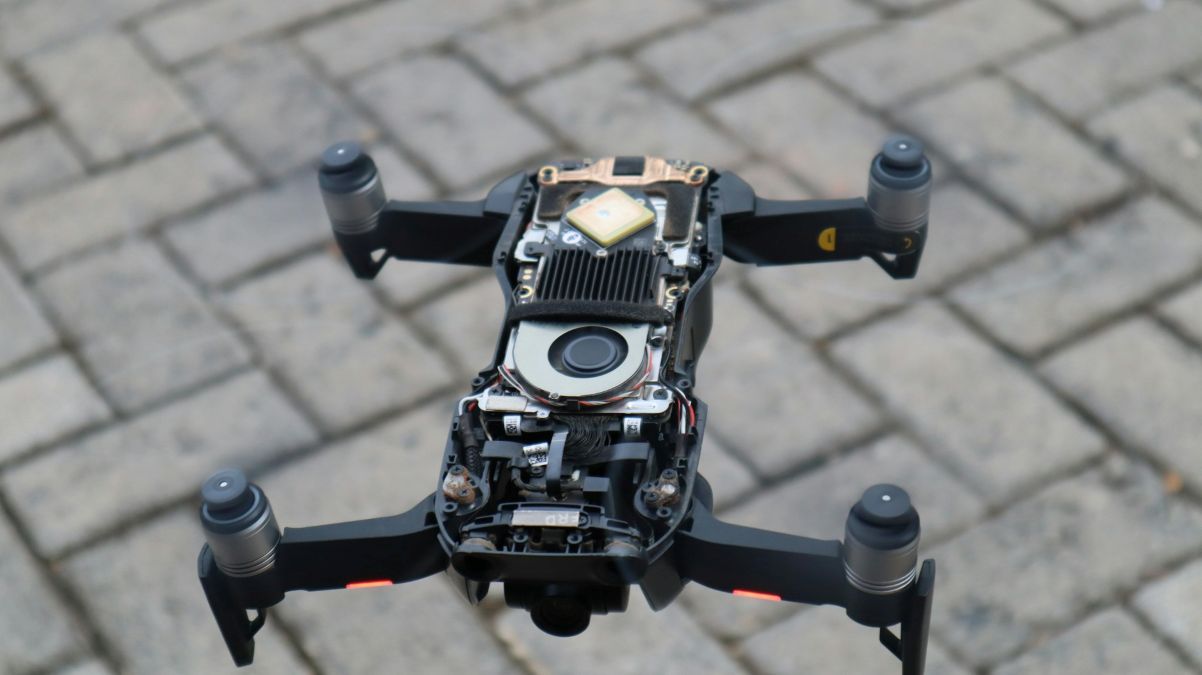
As drones become a bigger part of our lives, right from police operations to battlefield surveillance, they’re also becoming a goldmine of digital evidence. Now, one of the biggest names in digital forensics wants in on that data.
Cellebrite has officially closed its acquisition of SCG Canada, a firm known for its handheld tools that can extract and analyze data from more than 80 of the most commonly used drone platforms. While financial terms weren’t disclosed, the strategic move is clear: drone data is quickly becoming one of the fastest-growing sources of intelligence for defense and public safety agencies.
For years, Cellebrite has been widely recognized for helping investigators unlock and analyze digital evidence from smartphones and other devices. But as drones increasingly show up at crime scenes, protest sites, border crossings, and even active war zones, they’ve introduced a new category of digital breadcrumbs.
Modern drones generate staggering amounts of data. We’re talking flight logs, GPS coordinates, altitude and speed metrics, video footage, images, timestamps, and even records of nearby cell tower connections. In the hands of law enforcement or military analysts, that information can reconstruct where a drone traveled, what it recorded, and potentially who was controlling it.
That’s where SCG’s technology comes in.
The company has developed handheld forensic tools capable of extracting, decoding, and visualizing millions of data points directly from seized drones. Instead of shipping devices off to a lab and waiting days for analysis, investigators can now access mission-critical information in the field — sometimes within minutes. In high-stakes situations, that speed can make a meaningful difference.
Cellebrite says adding drone forensic capabilities strengthens its broader AI-powered investigative platform. The idea is to combine drone data with other digital sources — such as mobile phones, cloud accounts, and vehicle systems — to create a more complete picture during investigations. The more data streams AI can analyze together, the stronger and faster the intelligence outcomes.
CEO Thomas E. Hogan frames the deal as a natural extension of the company’s mission. “Accessing drone data adds major value to our customers and further amplifies the impact of Cellebrite’s AI-powered platform for multi-data source analysis,” Hogan insists, calling it a critical component of modern-day investigations and intelligence gathering.
Brent Salo, SCG’s founder — now serving as Cellebrite’s vice president of drone forensics — believes the industry is only beginning to understand the evidentiary potential locked inside unmanned aerial vehicles (UAVs).
“We are still just scratching the surface when it comes to what drone data can tell us,” Salo says. He adds that Cellebrite’s deep relationships across defense, intelligence, and public safety communities make it the right home for scaling the technology.
The timing makes sense. Drone use continues to expand across commercial industries, emergency response teams, and military operations worldwide. At the same time, malicious drone activity — from contraband drops at prisons to battlefield attacks — has surged. Each of those drones leaves behind a digital trail. By integrating SCG’s extraction tools into its AI-driven ecosystem, Cellebrite is betting that drone forensics will soon become as routine as smartphone analysis in criminal and national security investigations.
More: Are DJI drone prices artificially kept high?


FTC: We use income earning auto affiliate links. More.

Comments