
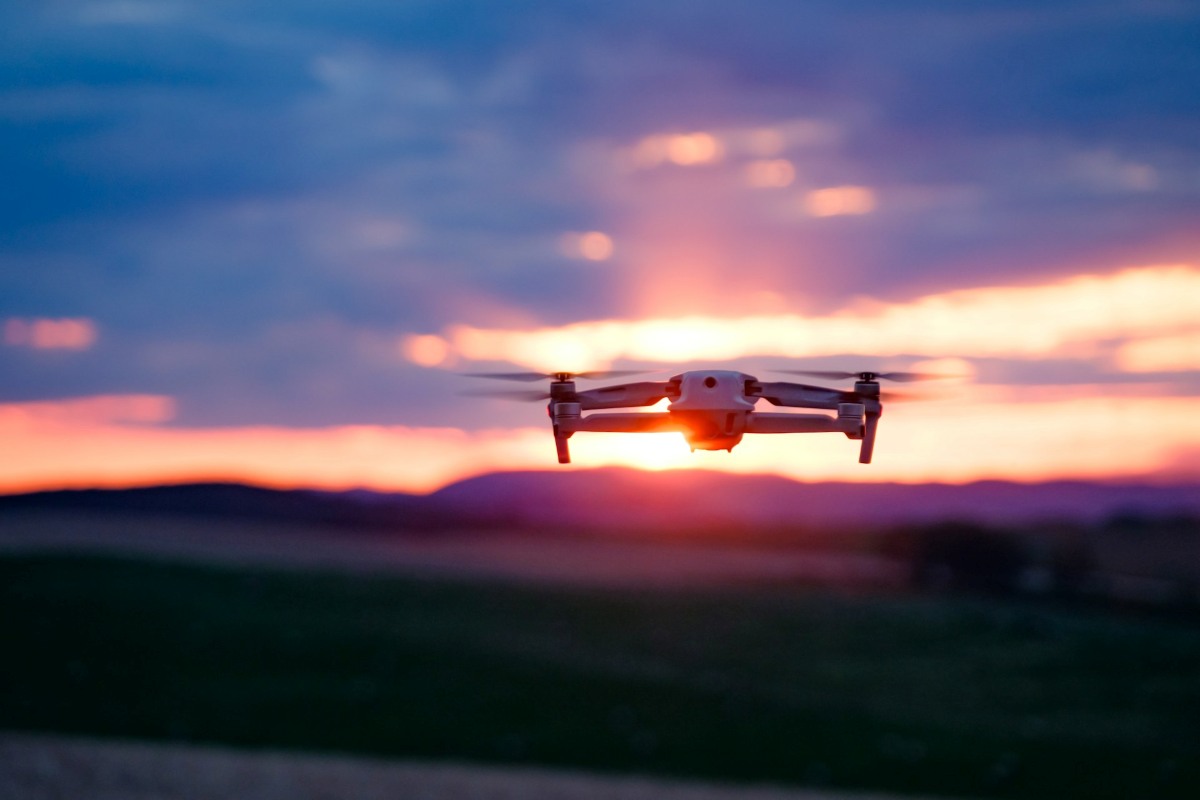
For commercial drone operators, flying the drone can sometimes be the easy part. Figuring out whether you’re actually allowed to fly it is another story. A Finnish drone company thinks it has a better way to deal with that problem.
Flyby Guys has launched Drone Assistant, a regulatory intelligence platform designed to help drone operators figure out which rules apply to a particular operation, jurisdiction and, where supported, even a specific flight location.
The platform is available now alongside the company’s new Drone Regulation Index 2026, which compares drone regulatory environments across 31 markets. And the research highlights exactly why a tool like this might be useful.
Austria and Latvia jointly recorded the highest overall score in the index, at 83.6, followed by Poland, Germany and Ireland. Thirty of the 31 markets met the evidence and coverage requirements to be included in the ranking.
Finland, interestingly, is currently listed as provisional after falling just short of the required threshold on one measure.
The bigger takeaway is that drone regulations have matured significantly in some parts of the world, but they still aren’t exactly uniform. For operators working across borders, that can mean jumping between national aviation authority websites, regional rules such as those from EASA, technical guidance, and location-specific airspace information.
And then comes the fun part: figuring out how all those pieces apply to your particular operation. That’s the problem Flyby Guys says it encountered repeatedly while working on international drone projects.
Drone Assistant lets users ask questions in plain English and receive answers with citations pointing back to the underlying regulatory sources. So rather than simply getting an AI-generated answer and hoping it’s right, operators can check the actual regulation or guidance themselves.
Behind the scenes, the platform converts official regulations and aviation authority guidance into structured, versioned requirements linked to specific jurisdictions and operation types. It also monitors those sources for changes.
Importantly, the company says Drone Assistant is designed to acknowledge when there isn’t enough evidence to answer a question confidently rather than simply guessing.
It also isn’t giving anyone permission to fly. The platform provides regulatory information, not flight clearance or airspace authorization, and Flyby Guys says it shouldn’t replace guidance from an aviation authority or qualified professional.
The target audience includes commercial operators working internationally, enterprise drone programs, BVLOS and Specific Category operations, autonomous and drone delivery companies, compliance teams and consultants.
Stephen Sutton, CEO of Flyby Guys, says the company essentially built the tool because it was something its own team needed. “One of the hardest parts of operating drones internationally isn’t really flying,” Sutton says. “It’s working out exactly which rules apply when you move from one country to another.”
That experience is now becoming a product in its own right.
Flyby Guys says Drone Assistant’s coverage and regulatory depth will expand over time, and it is inviting operators and industry specialists to test the platform against the real-world regulatory questions they encounter.
For an industry increasingly trying to operate drones across borders, having the rules in one searchable, citable place could be a welcome change from opening 20 browser tabs and hoping you found the right document.
More: Airwise adds another Remote ID partner to its airspace platform

FTC: We use income earning auto affiliate links. More.


Comments