
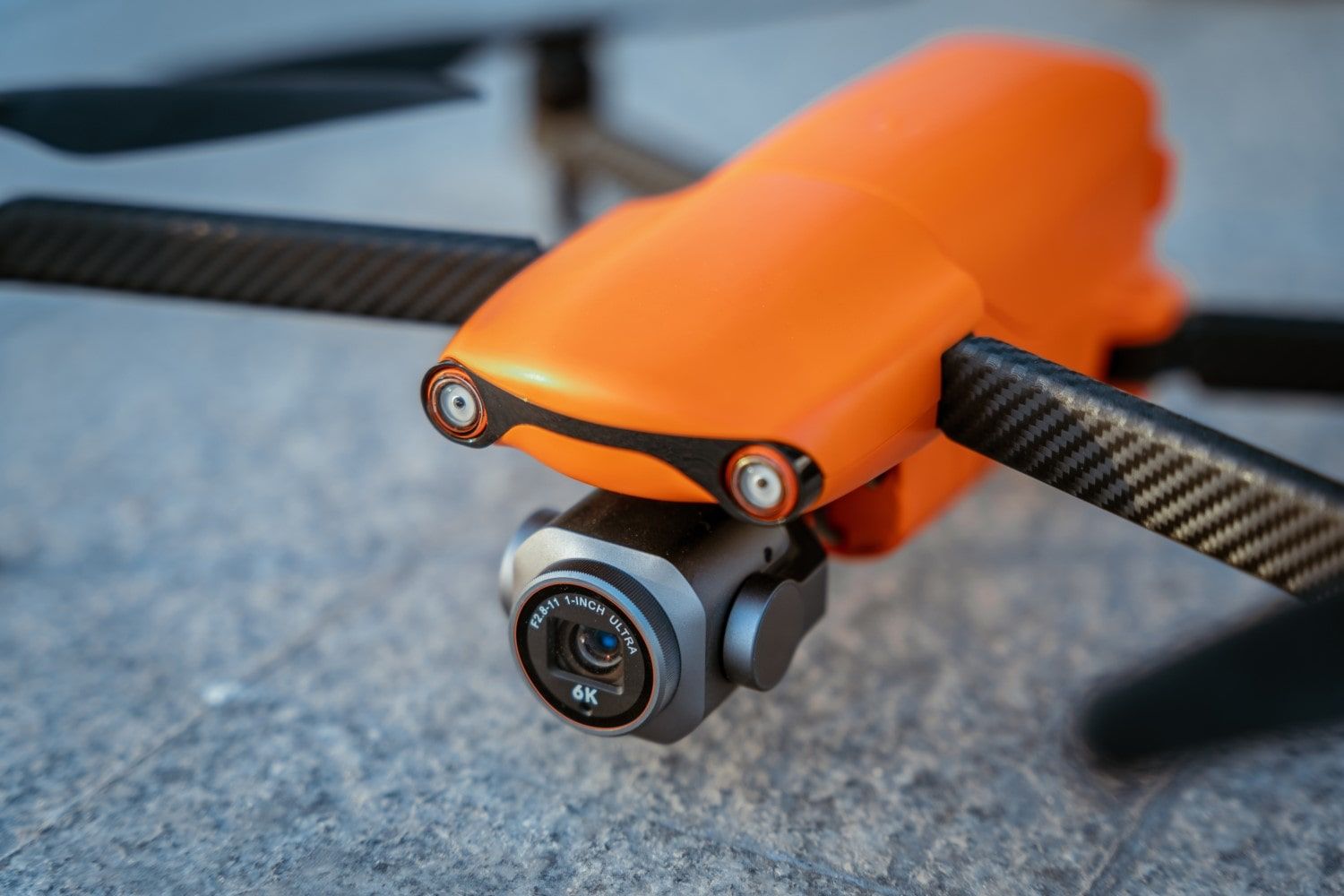
Autel Robotics has officially retired two of its most popular consumer drone lines: the EVO Nano series and EVO Lite Series. Sales ended last month, and the countdown to the final shutdown of support services is now underway.
The company says that it stopped selling and marketing both drone series worldwide on July 18, 2025, though a few units of the EVO Lite+ Standard Bundle are still available on the official store.
While Autel Robotics’ announcement may not come as a shock to industry watchers — since the drone maker has been shifting more energy toward its enterprise lineup — the move marks the end of an era for hobbyists and content creators who embraced these models for their balance of portability, power, and price.
Looking ahead, Autel says that all service and support will officially terminate on July 18, 2030. Until then, owners can still expect firmware updates, technical support, and repair services, but only for the next five years. After that, unless a major safety issue or regulatory requirement forces an update, the drones will essentially be frozen in time.
Why Autel EVO Nano, Lite drones mattered
When the EVO Nano and EVO Lite first arrived in late 2021, they were hailed as strong competitors to DJI’s Mini and Air lineups.
- EVO Nano/Nano+: At just 249 grams, these pint-sized drones offered big-league performance. The Nano featured a 1/2-inch sensor, while the Nano+ bumped up to a 1/1.28-inch CMOS sensor with impressive low-light performance. Both could shoot crisp 48-megapixel stills and 4K/30 fps video, stabilized by a 3-axis gimbal. With three-way obstacle avoidance and up to 28 minutes of flight time, they proved especially attractive to beginners and travelers who wanted a small drone that didn’t cut corners.
- EVO Lite/Lite+: Aimed at more serious flyers, the Lite drones weighed around 835 grams and packed in larger imaging sensors. The Lite+ in particular was a standout, with a 1-inch CMOS sensor, variable aperture (f/2.8–f/11), and a dedicated Night Mode that wowed reviewers with sharp low-light footage. Battery life was also a headline feature, offering up to 40 minutes of flight time — well beyond most rivals at the time.
Together, the Nano and Lite series carved out a sweet spot between entry-level fun and professional-grade results.
Why end them now?
Autel says the decision is part of its broader product lifecycle planning. In a statement, the company explains that it wants to concentrate resources to enhance stability, competitiveness, and industry application capabilities.
In practical terms, that means Autel is moving away from consumer drones and doubling down on enterprise-level platforms. The EVO Lite Enterprise series, for example, extends the Lite design but adds professional-grade capabilities such as thermal imaging payloads, extended transmission ranges, and AI-assisted functions tailored for public safety and industrial work.
For drone enthusiasts, however, the shift is bittersweet. It leaves fewer options for hobbyists who once saw Autel as the go-to alternative to DJI’s consumer drones.
But even as Autel pivots inward, its consumer retreat coincides with increasing US investigations into Chinese-made drones, including Autel, on national security grounds:
- In January 2025, the US Department of Defense officially listed Autel Robotics among entities alleged to have affiliations with China’s military — a stigma that adds regulatory friction and risk.
- In July 2025, the US Commerce Department launched a Section 232 investigation into drones and drone components imported from China, aiming to assess threats to critical supply chains and domestic resilience. This probe could lead to tariffs, quotas, or even import restrictions targeting companies like Autel and DJI.
- Congressional Republicans, backed by the 2025 National Defense Authorization Act, have pressed the Office of the Director of National Intelligence (ODNI) to complete a formal national security audit of Autel and DJI. If found risky, the companies could be placed on the Federal Communications Commission’s (FCC) Covered List, effectively banning the sale and import of their drones in the US.
What Autel pilots need to know
If you currently own an EVO Nano, Nano+, Lite, or Lite+ drones, here are the key points:
- Sales are already over. As of July 18, 2025, Autel no longer accepts orders or sells these drones through official channels (except for this EVO Lite+ Standard Bundle apparently). If you see them in stores now, they’re just clearing remaining stock.
- Service continues until July 18, 2030. Owners have five years left of firmware updates, technical support, and after-sales repair services. After that date, Autel will officially stop supporting the drones.
- Parts and accessories remain available, for now. Accessories like batteries and propellers are still on the market, but their availability will shrink over time. Stocking up on spares may be a smart move if you plan to keep flying your Nano or Lite.
- Enterprise products are not affected. The discontinuation only applies to consumer Nano and Lite drones, not the EVO Lite Enterprise series.
Autel is directing users with questions to its service hotline at (844) 692-8835 or its official support portal.
More: Waterproof, hands-free HoverAir Aqua drone launches at $999


FTC: We use income earning auto affiliate links. More.


Comments