
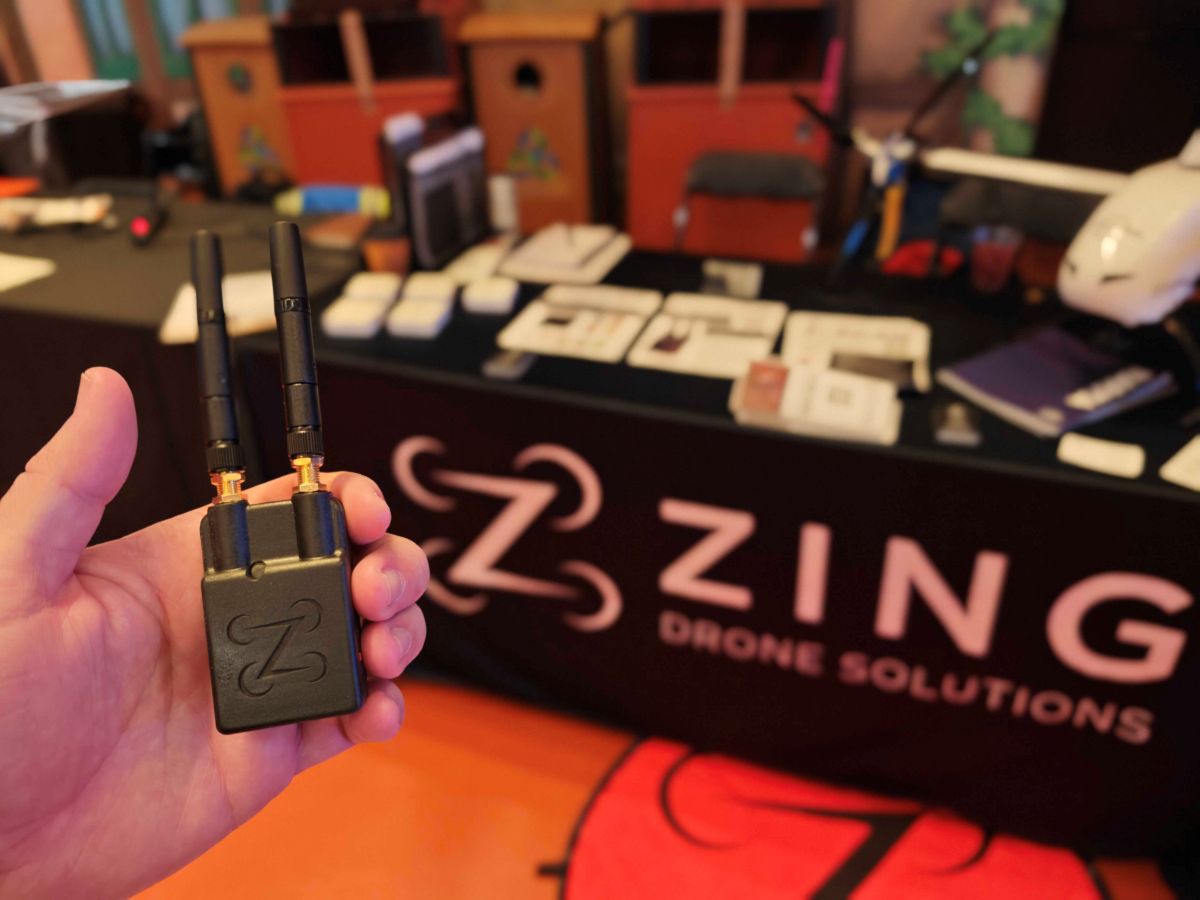
Zing Drone Solutions and South Korea-based NUCODE have signed a Memorandum of Understanding (MOU) and reached a preliminary agreement to explore the development and supply of compact wireless modules for drone identification systems. The partnership comes as drone manufacturers and operators face growing requirements around Remote ID, which allows authorities and other approved parties to identify drones in flight.
As part of the discussions, Zing has issued NUCODE a Request for Information (RFI) outlining its technical, security, and regulatory requirements. NUCODE has supplied samples of its Wi-Fi/Bluetooth Low Energy (BLE) combo module, while the companies have exchanged additional hardware samples for evaluation.
Zing is now testing NUCODE’s modules against requirements for size, power consumption, and security. The companies are also discussing potential development and supply arrangements, although the final scope and commercial terms will be determined through a definitive agreement.
Security and supply-chain transparency are key parts of the evaluation. Areas under review include compact, low-power hardware and firmware, visibility into component origins, secure boot, signed firmware updates, and certification requirements for the US market.
“UAS manufacturers and critical infrastructure operators around the globe need a clean path to Remote ID compliance,” says Ian Annase, founder and CEO of Zing Drone Solutions. He adds that the company is evaluating NUCODE’s modules against its requirements for size, power, and security.
NUCODE CEO Bruce Lee explains that drone identification hardware needs to be “small, light, and long-running,” while customers also need confidence in the underlying supply chain.
Founded in 2018, Oregon-based Zing develops drone identification and detection technology. Its Z-RID Lite Remote ID module is approved by the FAA, EASA, and CAAS. At the same time, its Z-SCAN detection systems are deployed at Oregon Department of Corrections facilities and Salinas Airport.
NUCODE, founded in Seoul in 2024, develops low-power BLE and Wi-Fi modules, as well as BLE 6.0 Channel Sounding positioning technology. The company says it has radio certifications in more than 30 countries and distributes through DigiKey Global. It also operates a US office in Portland, Oregon.
More: Matternet unveils new M3 drone with 11-pound payload and 10-mile service radius


FTC: We use income earning auto affiliate links. More.


Comments