
As tensions involving Iran continue to cast a long shadow over the Middle East — with drone attacks, proxy clashes, and flashpoint escalations becoming increasingly common — the US military is rolling out a new line of defense: fully autonomous, always-on drones.
In a move that underscores just how serious the threat environment has become, US Air Forces Central (USAFCENT), under United States Central Command, has awarded a contract worth over $9 million to Skydio. The goal? Turn American airbases across the region into AI-powered fortresses.
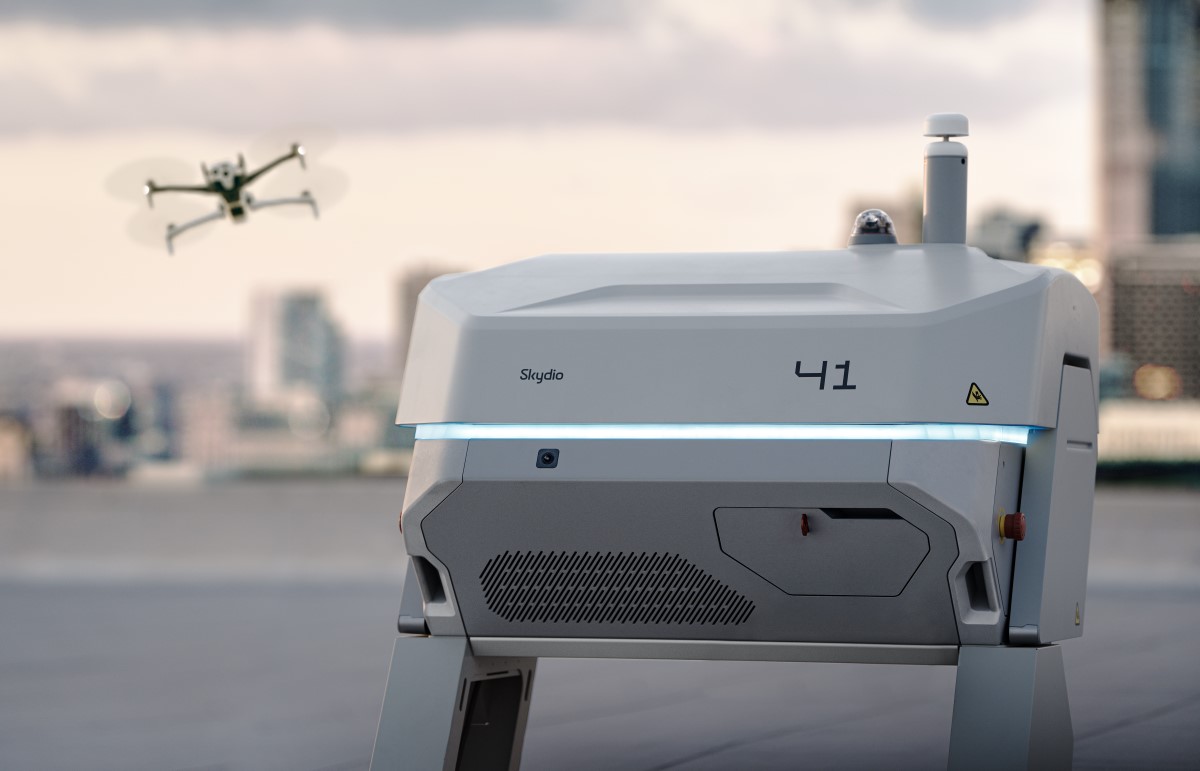
At the center of this deployment is Skydio’s Dock system — essentially a robotic drone hub that can launch surveillance aircraft in under 20 seconds, without any human scrambling to a control station. The drones don’t just fly; they think, track, and respond in real time.
And in today’s Middle East, that speed matters. From one-way attack drones used by Iran-backed groups to increasingly sophisticated aerial threats targeting US positions, the battlefield has changed. Warning times are shorter. Risks are higher. And traditional perimeter security simply can’t keep up.
New: GoPro is no longer just an action camera company
Skydio’s solution flips that equation. Once installed across key points on a base, these docks act like silent sentinels. The moment sensors pick up unusual activity, an X10 drone is airborne almost instantly — streaming live HD and thermal footage straight to operators. Instead of reacting minutes later, base defense teams are seeing threats unfold as they happen.
Even more striking: one operator can manage multiple drones at once, creating a constant, real-time “eyes in the sky” view of the entire installation. That’s a major force multiplier in high-risk zones where sending personnel into uncertain situations can be dangerous.
This deployment also marks a milestone. While US forces have widely used Skydio drones for intelligence, surveillance, and reconnaissance, this is the first time its dock-based autonomous system is being rolled out at scale for overseas base protection.
And timing is everything here. Recent weeks have seen a surge in drone and missile activity tied to Iran and its network of regional allies, putting US bases on constant alert. The ability to launch an autonomous drone within seconds — rather than waiting for human deployment — could prove critical in preventing small incidents from spiraling into major crises.
There’s also a strategic angle closer to home. Every Skydio system in this deal is built in California, aligning with Washington’s growing push to rely on US-made drone technology for sensitive military operations.
For Skydio, already trusted by all branches of the military and dozens of allied nations, this deal further solidifies its position as America’s drone powerhouse. For the Pentagon, it sends a clear message: the next generation of base defense isn’t just automated; it’s already here.
More: New DJI Avata 360 drone is finally available to buy in US


FTC: We use income earning auto affiliate links. More.




Comments