
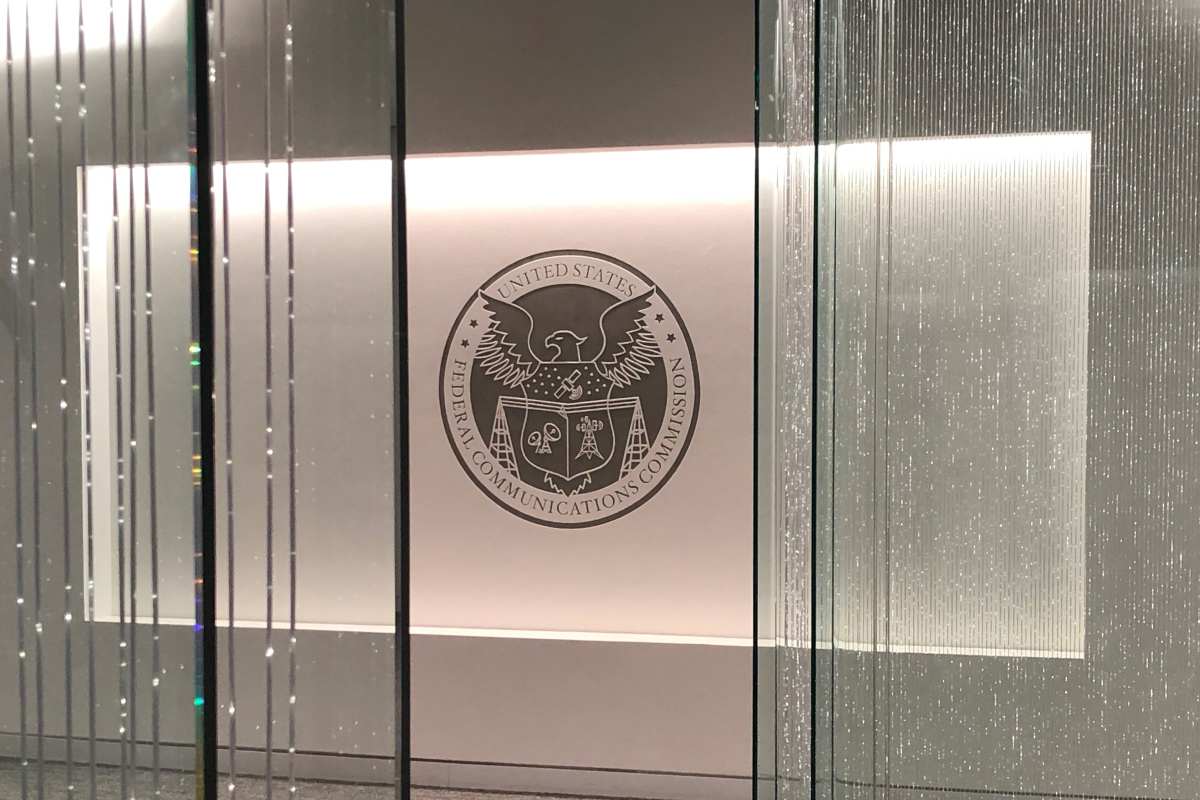
When the Federal Communications Commission (FCC) announced last December that virtually all foreign-produced drones and critical drone components would be added to its national security “Covered List,” many assumed the door had effectively closed on new foreign drone approvals in the US. Seven months later, the picture looks much more nuanced.
In its latest update released last week, the FCC has granted Conditional Approval to two more drone systems: Exedy Globalparts Corporation’s Ayre CX and Parallel Flight Technologies’ Firefly. That brings the number of drone companies that have received individual exemptions to 17, continuing a steady trend that’s reshaping how the agency’s foreign drone policy actually works.
The latest approvals may sound routine, but they reinforce an increasingly clear pattern: while the FCC’s overall restrictions remain firmly in place, the list of drones allowed to bypass them keeps growing.
A ban that keeps making exceptions
The FCC’s current approach dates back to December 2025, when it placed all foreign-produced unmanned aircraft systems (UAS) and critical components on its Covered List after a national security determination by multiple federal agencies.
Being placed on that list prevents manufacturers from obtaining the FCC equipment authorizations needed to bring new products to the US market.
But the agency also built in several escape routes.
Initially, drones on the Department of Defense’s Blue UAS Cleared List and products qualifying as “domestic end products” under Buy American rules were exempted. Then, in March, the FCC began issuing Conditional Approvals for individual drone models after security reviews by the Department of Defense. Those approvals have continued almost every month since.
The latest additions — Ayre CX and Firefly — are simply the newest names on an increasingly lengthy roster.
The exemption list keeps growing
Before this new announcement, the FCC had already approved systems from companies including SiFly Aviation, Mobilicom, ScoutDI, Verge, Sees.ai, Air6 System, Elevon Aerial, Blueflite, Verity AG, Air VEV, Innovation First International, Flock Safety, ABZ Innovation, Real-Time Robotics, and Ceres Air. Now Exedy Globalparts and Parallel Flight Technologies join that list.
Perhaps even more significant is what changed earlier this month.
On July 21, the FCC announced that Conditional Approvals would no longer expire automatically at the end of 2026. Instead, approved manufacturers can keep their exemptions indefinitely — as long as they continue following their approved onshoring plans and pass ongoing government vetting. The agency also extended exemptions for Blue UAS-listed products and Buy American-compliant drones through January 1, 2028.
In other words, companies that successfully navigate the approval process now have much greater certainty than they did just a few months ago.
New: The DJI drone you’ll actually bring everywhere is on discount
Approval doesn’t mean a free pass
The FCC stresses that these aren’t permanent blank checks. If a manufacturer fails to follow its promised onshoring plan, or if the government later discovers false statements during the approval process, the Conditional Approval can be revoked. If that happens, the affected drone would return to the Covered List.
That requirement reflects the FCC’s broader strategy of encouraging manufacturers to move production and critical supply chains closer to the United States while allowing trusted products to remain available.
Consumer drone pilots still won’t see much change
For most recreational drone pilots, however, the FCC’s latest announcement won’t immediately change what’s available to buy. The newly approved aircraft are specialized commercial and industrial systems rather than consumer camera drones.
Likewise, the exemptions don’t reopen the door for new DJI or Autel drone models, which remain subject to the broader Covered List restrictions unless policy changes in the future.
Previously authorized DJI products can still be sold and used, but the company cannot obtain FCC authorization for new covered models under the current rules.
The latest approvals also arrive just days after the FCC unveiled another major proposal that could further tighten restrictions, but only for specific categories of higher-risk drones.
Rather than expanding the blanket foreign drone restrictions, the Commission is now seeking public comment on whether to prohibit the import and sale of certain military-grade foreign-produced drones already on the Covered List, including swarming drones, thermal imaging drones, LiDAR-equipped drones, large drones weighing more than 55 pounds, docking stations, and other defense-oriented systems.
Viewed together, the recent announcements paint a clearer picture of where US drone policy is heading. The FCC isn’t backing away from its national security crackdown. But it’s also showing that the policy isn’t simply about where a drone is built. Manufacturers that can satisfy increasingly rigorous security reviews, commit to onshoring production, and meet ongoing compliance requirements still have a path into the US market.
With another pair of approvals now added to the list, and more applications likely working their way through the review process, that whitelist of trusted drones appears likely to keep growing even as the broader restrictions remain firmly in place.
More: DJI Terra update brings AI, drone thermal mapping, 3D upgrades


FTC: We use income earning auto affiliate links. More.


Comments