
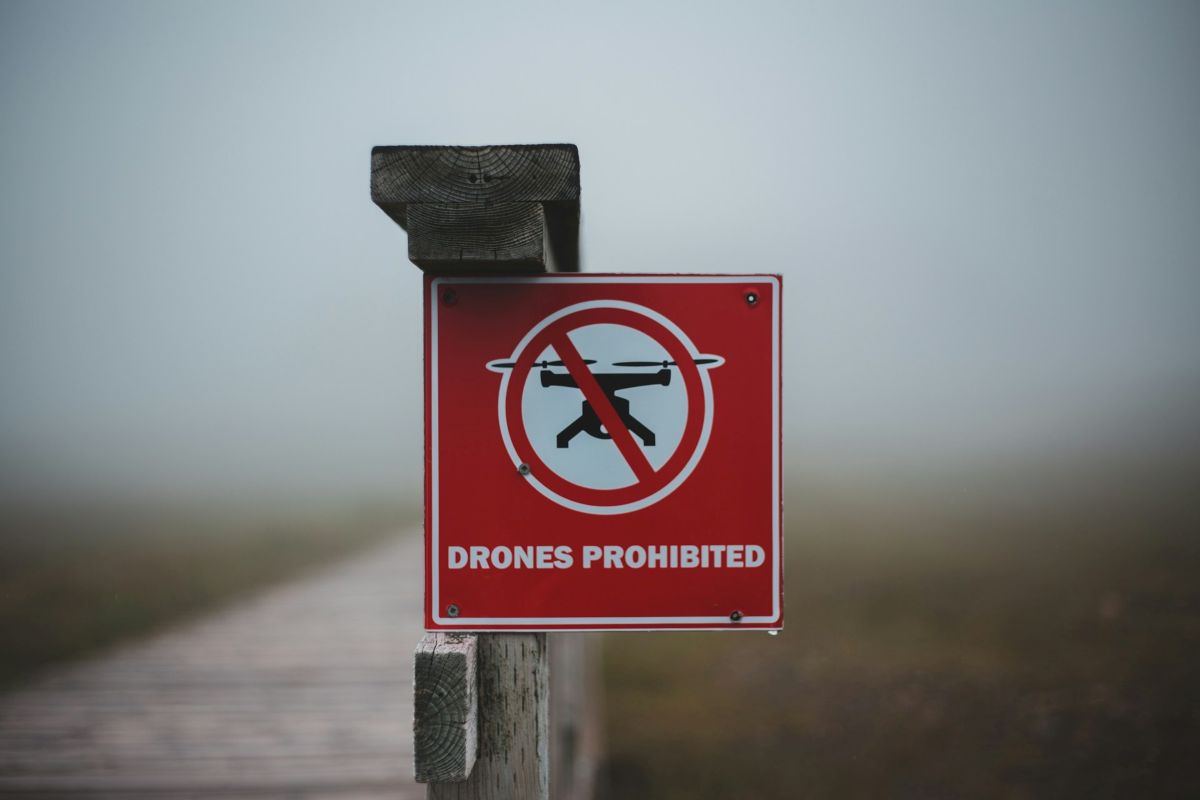
For most drone pilots, a flight ends with a smooth landing and maybe some great footage. For one Florida man, it ended with an 81-year prison sentence.
Mario Crawford, 36, a Jacksonville man with a long criminal history, used drones to smuggle drugs and dangerous contraband into state prisons, turning a consumer technology into a tool for crime.
Now, Florida Attorney General James Uthmeier has announced that Crawford has been sentenced to 81 years behind bars following a sweeping investigation into multiple drone-based drops at correctional facilities.
According to authorities, Crawford orchestrated repeated deliveries into prisons operated by the Florida Department of Corrections. The packages included cocaine, methamphetamine, cell phones, SIM cards, tobacco, charging cords, and even razor blades — items that can significantly increase risks for both inmates and correctional staff.
The investigation began in September 2022, when officers at Century Correctional Institution discovered a crashed drone carrying contraband. What initially appeared to be an isolated incident quickly exposed a broader and more coordinated operation.
Working alongside the Federal Aviation Administration, investigators traced the drone back to Crawford. That breakthrough linked him to additional drops at Liberty and Okaloosa correctional institutions, confirming a pattern of illegal drone activity.
Related: This pocket device lets police identify drone pilots in seconds
Crawford was arrested in March 2023 and charged with multiple offenses, including drug trafficking, conspiracy, illegal drone use, and using communication devices to facilitate a felony. On March 12, 2026, a jury found him guilty on all counts.
For corrections officials, the case highlights a growing security concern: drones being used to bypass traditional prison defenses. Florida Department of Corrections Secretary Ricky Dixon described it as a “security threat from above,” emphasizing the need for stronger drone detection and mitigation systems.
Santa Rosa County Sheriff Bob Johnson added that these kinds of operations endanger prison staff and fuel illegal activity behind bars. “We are proud a drug dealer is off the streets and going to prison where he belongs,” Johnson said.
Crawford’s extensive criminal record, including 49 prior convictions ranging from armed burglary to weapons charges, played a significant role in the severity of his sentence. Officials say he is expected to spend the rest of his life in prison.
For everyday drone users, there’s a bigger takeaway here. Law enforcement is getting better at identifying and tracking drones involved in illegal activity. With tools like flight data analysis and Remote ID becoming more widespread, anonymity in the sky is quickly disappearing. In other words, drones are still incredible tools — but when used illegally, they’re also becoming easier than ever to trace back to the person holding the controller.
More: America’s new 911 drone is always ready


FTC: We use income earning auto affiliate links. More.




Comments