
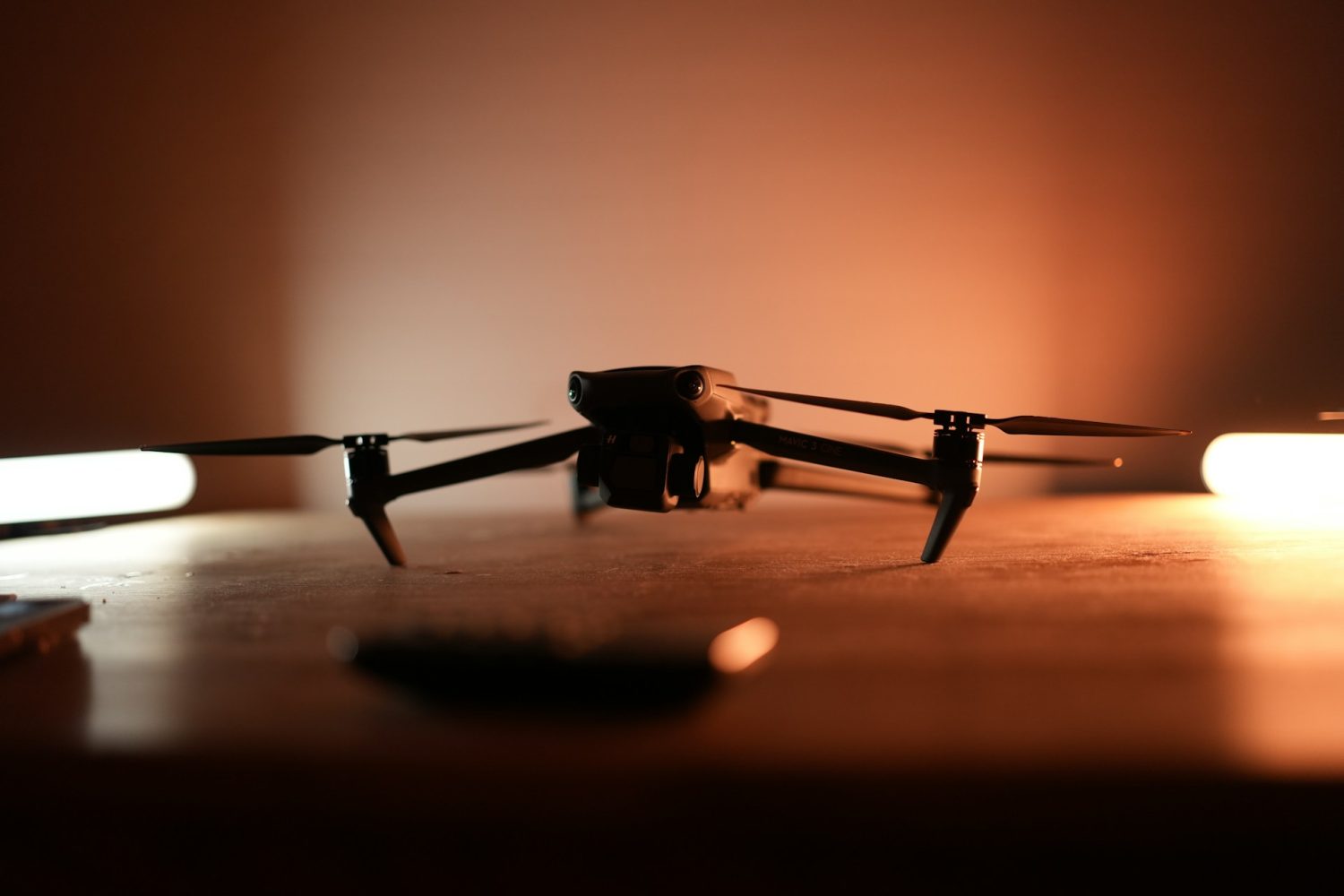
It looks like DJI is calling the US government’s bluff. With the threat of a looming ban, the Chinese drone giant is demanding a security audit — before time runs out.
DJI has formally asked the five top US national security agencies to evaluate its drones — including popular models like the Air 3S, Mini 4 Pro, and the enterprise-focused Matrice 350 — before December 31, 2025. The urgency stems from the FY 2025 National Defense Authorization Act (NDAA), which includes a provision requiring an assessment of DJI drones. If no review happens by the end of 2025, DJI will be automatically added to the Federal Communications Commission’s (FCC) Covered List, effectively banning its drones in the US.
DJI’s message to the US: ‘We have nothing to hide’
DJI isn’t just responding to scrutiny — it’s actively seeking it. In a letter written by Adam Welsh, DJI’s head of global policy, the company makes it clear that it is ready to be investigated:
“DJI is confident that its products can withstand your strictest scrutiny. We are confident not only because we have nothing to hide, but because independent firms and other US government agencies have repeatedly validated and confirmed that DJI’s products are secure,” Welsh writes, adding:
The people who have built livelihoods using DJI products deserve a fair and timely evaluation to lift the cloud on our company and reassure DJI’s customers and the American public that DJI’s drones are safe and secure.
Welsh’s letter also highlights a major concern: If the US government fails to conduct an evaluation, DJI drones will be banned by default — without any proof that they pose a security risk.
“If you determine that DJI’s drones pose an unacceptable risk, the FCC must add them to its Covered List,” Welsh explains. “If you do not evaluate DJI’s products in 2025, the FCC would also have to add the company’s equipment to its Covered List, depriving DJI of its due process and depriving thousands of businesses, consumers, and public safety agencies of products that they want and need for no reason at all.”
How a ban without an audit is even possible
In December 2024, the US Congress passed the FY 2025 NDAA, which introduced new measures for evaluating Chinese technology companies, including DJI. Under Section 1709 of the law, one of five national security agencies must determine whether DJI drones pose an “unacceptable risk” to US national security.
These agencies include:
- Department of Homeland Security (DHS)
- Department of Defense (DoD)
- Federal Bureau of Investigation (FBI)
- National Security Agency (NSA)
- Office of the Director of National Intelligence (ODNI)
If any of these agencies decide that DJI products are a security risk, the FCC is required to place them on the Covered List, making their sale in the US illegal. But here’s the issue: If no evaluation is conducted at all, DJI still gets banned.
That’s why the company is now actively pushing for an audit — it wants to force the government’s hand and ensure due process.
To maximize its chances of getting a response to its letter, DJI has also copied several US senators and state representatives who oversee intelligence and national security matters.
The message is clear: DJI wants scrutiny, not secrecy.
What a DJI ban means for US drone pilots
For US drone users, the consequences of a DJI ban could be massive. DJI currently dominates the commercial drone industry, supplying drones for businesses, filmmakers, farmers, and even public safety agencies.
A ban would mean:
- No new DJI drones can be sold in the US.
- Existing DJI drones might lose access to software updates.
- Companies and government agencies relying on DJI for operations may need costly replacements.
In short, thousands of pilots, businesses, and public agencies could be forced to stop using DJI drones — not because of a proven security risk but because of government inaction. And that is sure to have a ripple effect throughout the entire US drone ecosystem. Let’s not forget that DJI enables more than $116 billion in economic activity across the US and supports more than 450,000 American jobs.
More: DJI mulls US manufacturing amid drone ban threat, won’t exit market
DJI’s proactive stance
DJI’s strategy is aggressive but calculated. By demanding an evaluation now, it is putting the US government in a difficult position. If agencies refuse to conduct the review, DJI can claim that the ban is politically motivated rather than based on real security concerns.
The company is essentially saying: “If you think we’re a threat, prove it.”
Welsh explains in his letter, “As the world’s leading drone manufacturer, we stake our reputation on making sure our products and user data remain secure. We have implemented a number of features and protocols to ensure that our drones protect user data – while providing users with a way to fly their drones without any data transmission at all.”
Here are some examples of these measures:
- Users can fly offline or in “Local Data Mode,” which severs the connection between the flight app and the internet to prevent data sharing, even inadvertently.
- No flight logs, images, or videos are synced with DJI servers unless a user affirmatively chooses to sync with a DJI server.
- US users cannot sync their flight records to DJI’s servers at all.
- Users can amend their data preferences at any time through the app’s settings, easily delete information on the drone, or download third-party software solutions. They can even disable the DJI flight app altogether, if they prefer.
Related: DJI insists geofencing update isn’t linked to US drone ban talks
Top comment by Michael
I have flown DJI products almost a decade and retired from government (law enforcement) and oversaw the bureau drone program in NC. There is absolutely no information leak when these or any drone is used by downloading your work to your own servers. Booz Allen and others have performed independent audits and found same. I can tell you Skydio is 100% behind funneling money to grease palms in Congress to get DJI, Autel, and anyone who they can not beat in the market banned. It is unscrupulous work on their part.
The creation of the small off-the-shelf drone category has been credited to DJI, which also holds (or has pending) more than 5,000 global patents. Due to this first-mover advantage and ongoing innovation, research, and development, DJI products have been overwhelmingly chosen by global consumers for commercial, scientific, public safety, and recreational purposes.
“Despite this success — or perhaps because of it — some policymakers have raised concerns that DJI’s
products may pose security or safety risks to the United States,” Welsh sums up.
With less than nine months before the deadline set by the FY 2025 NDAA, the ball is now in the US government’s court. Will an agency step up and conduct the review, or will DJI drones be banned without evidence?
More: Falcon Mini: V-shaped drone debuts at $199 for early backers

FTC: We use income earning auto affiliate links. More.

Comments