
When tens of thousands of fans gather under one roof, security doesn’t just stop at the doors; it extends to the skies above. That was exactly the case at Canada’s biggest night in music, the JUNO Awards, where a quiet but critical layer of anti-drone protection was keeping watch overhead.
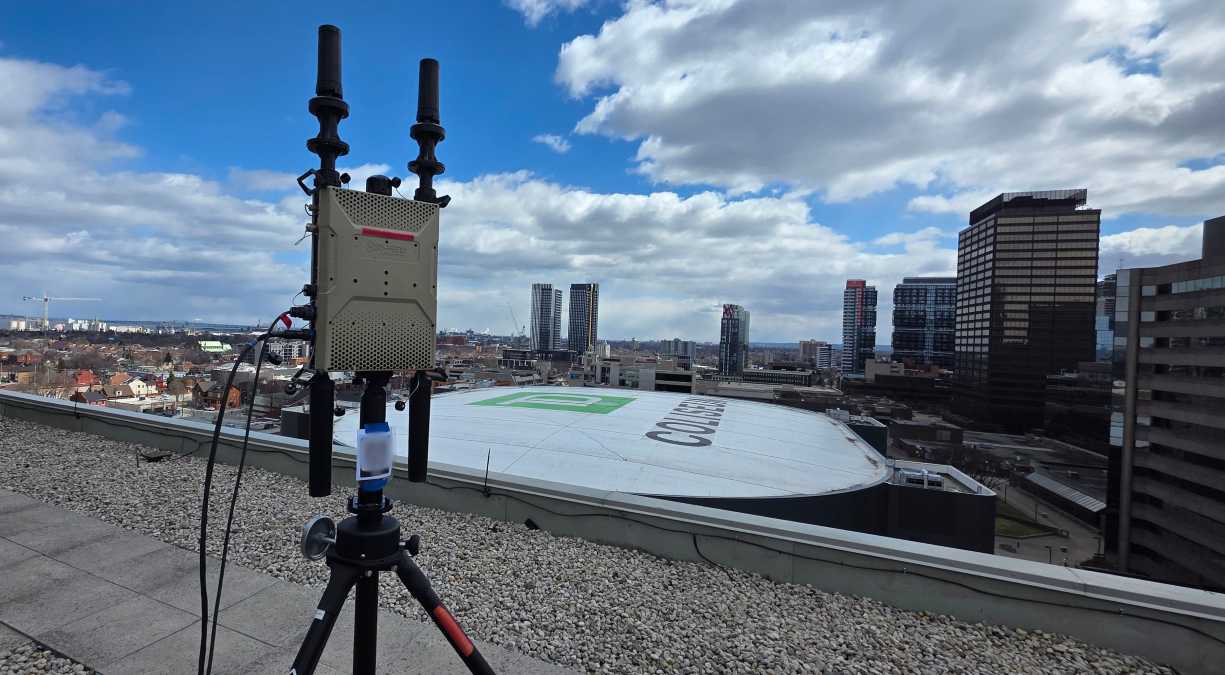
D-Fend Solutions has revealed that its EnforceAir counter-drone system was deployed during the 55th annual JUNO Awards, held March 29, 2026, at the TD Coliseum in Hamilton. With more than 19,000 attendees inside the venue, and thousands more outside, the stakes were high, especially with VIPs, government officials, and media crews all present.
What made this deployment stand out wasn’t just the scale; it was the approach. Unlike traditional counter-drone systems that rely on jamming signals (and risk disrupting communications), D-Fend’s EnforceAir2 (EA2) system uses what’s known as RF-cyber technology. In simple terms, it can detect, identify, and even take control of rogue drones—without interfering with Wi-Fi, radio signals, or authorized drone operations.
That’s a big deal at events like the JUNOs, where broadcasters, security teams, and organizers depend on uninterrupted connectivity. The system essentially creates a protective bubble in the airspace, spotting potential drone threats in real time while allowing legitimate activity to continue as planned.
New: GoPro’s new camera might be its biggest comeback move
According to the company, EnforceAir2 was integrated directly into local law enforcement workflows, supporting a joint RPAS (Remotely Piloted Aircraft Systems) unit. It fed real-time airspace data into the Hamilton Police Emergency Operations Centre, giving authorities a shared, live view of everything flying overhead. From there, officials could quickly distinguish between approved drones — like those used by media — and any unauthorized or potentially malicious ones.
That level of visibility is becoming increasingly important. Drones are now a common sight at major events, whether for filming, security, or just curious hobbyists. But they also introduce new risks, from accidental interference to intentional misuse. Systems like EnforceAir aim to strike a balance, managing those risks without shutting everything down.
D-Fend Solutions CEO Zohar Halachmi emphasizes this point, noting that large-scale public events require not just ground security but tightly controlled airspace. He highlighted how newer RF-based technologies can plug into existing operations seamlessly, offering both situational awareness and actionable intelligence, without causing disruptions.
That “non-disruptive” aspect is key. In the past, counter-drone measures often meant signal jamming, which could unintentionally knock out communications used by first responders or event staff. RF-cyber solutions, on the other hand, are designed to be far more precise, targeting only the drone in question.
And it’s not just a one-off use case. Police services across Ontario are now actively evaluating advanced counter-drone technologies for securing concerts, sporting events, and other mass gatherings. The JUNO Awards deployment is a clear sign of where things are heading: smarter, more targeted airspace security that works alongside existing systems rather than against them.
More: DJI confirms end-of-support timeline for Mavic 2 drone series


FTC: We use income earning auto affiliate links. More.




Comments