
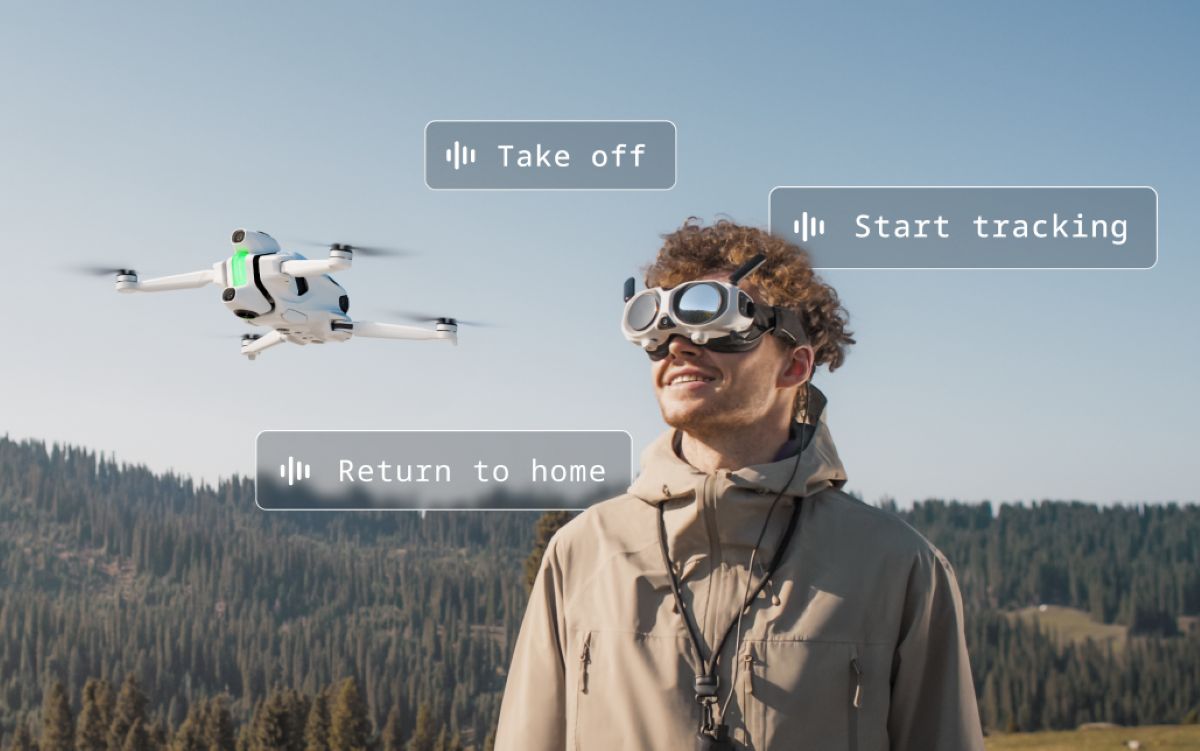
What if flying a drone felt less like piloting and more like giving directions to a smart assistant? Antigravity’s latest A1 update is betting big on exactly that.
Antigravity A1 drone’s new “Big Spring Update” packs in a mix of creative tools, smarter automation, and stronger safety features, all aimed at making drone flying more intuitive for everyday users, not just seasoned pilots. And in a move that signals continued global momentum, Antigravity is also expanding the A1’s reach, with a fresh launch in Mexico following a recent debut in Thailand.
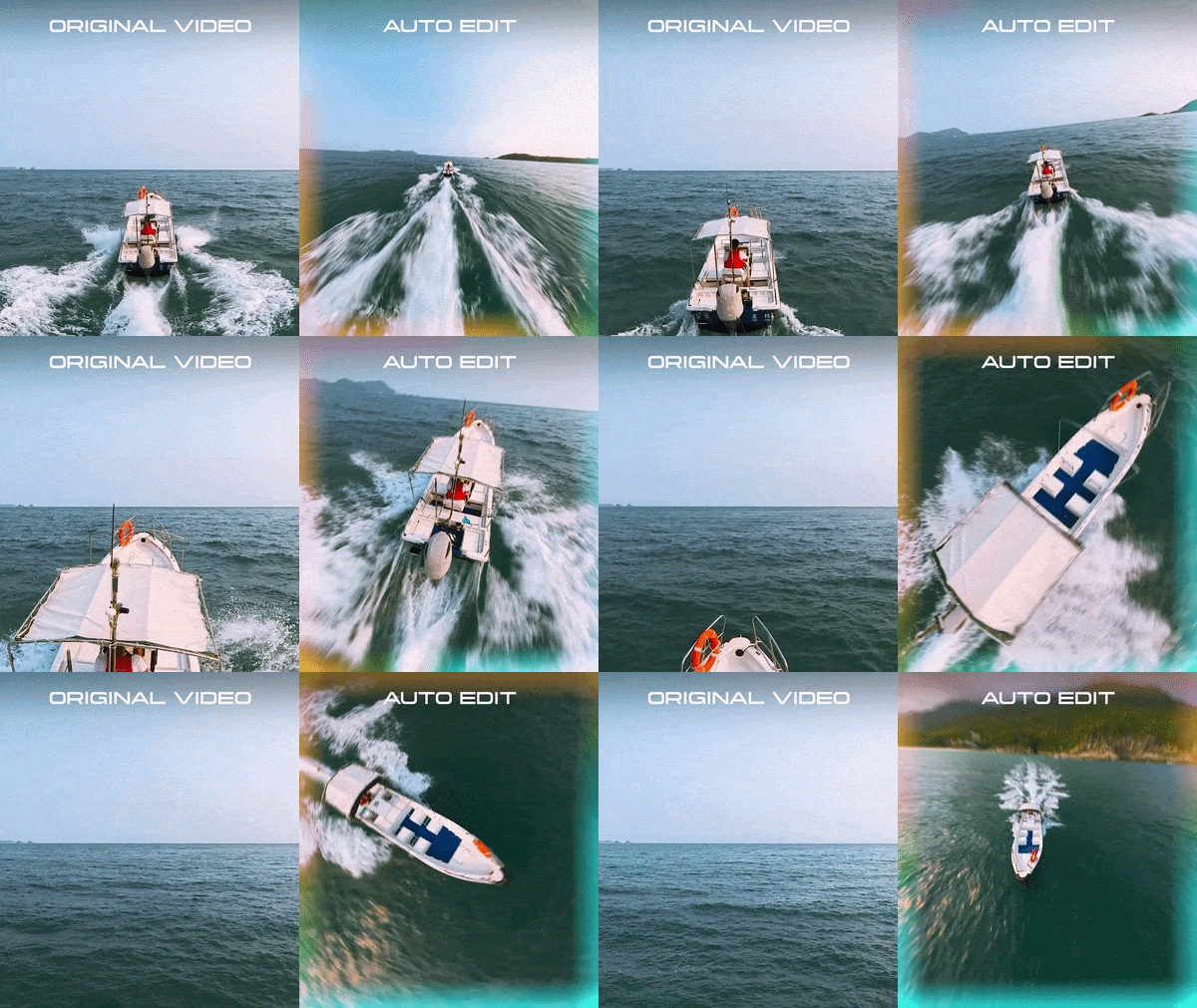
At the heart of this update is a clear focus on storytelling. Antigravity’s Auto Edit feature — already designed to turn raw footage into ready-to-share clips — has been upgraded with smarter logic that better understands what users are trying to capture. The result? Edits that feel more intentional, with improved shot selection, smoother camera movements, and even AI-generated sound effects that add a bit more punch to the final video.
For creators who like to push visual boundaries, there’s also a new Timelapse mode. It allows users to compress longer flights into dramatic, fast-moving sequences, turning something as simple as a sunset or city skyline into a cinematic moment. It’s the kind of feature that’s become increasingly popular across consumer drones, as social media continues to reward eye-catching, dynamic footage.
But the update isn’t just about aesthetics, it’s also about control. One of the standout additions is a new Voice Assistant that lets users operate key functions using simple spoken commands. Features like Sky Genie, Deep Track, and Return to Home can now be triggered without touching a controller, lowering the barrier for beginners and speeding things up for experienced pilots.
Safety, as always, remains a major focus. The A1 (currently 20% off) now includes an upgraded omnidirectional obstacle avoidance system, combining full 360-degree sensing with its existing vision sensors. In practical terms, that means the drone is better equipped to detect and smoothly navigate around obstacles in real time, something that’s becoming a baseline expectation in higher-end consumer drones.
Another interesting addition is the revamped Virtual Cockpit. Pilots can now fly using a third-person perspective with a virtual avatar, blending gaming-style visuals with real-world flight. This feature also ties into Sky Path, which now includes new path styles and markers designed to make pre-planned flights feel more dynamic and shareable.
All of this points to a broader trend in the drone space: companies aren’t just competing on hardware anymore; they’re competing on experience. Features like voice control, AI editing, and immersive flight views are becoming just as important as camera specs or battery life.
While Antigravity continues to expand globally, now reaching nearly 60 countries, the question remains how quickly (or widely) these kinds of updates and products will land stateside. As seen with companies like DJI, regulatory scrutiny and national security concerns have increasingly shaped what drone technology is available in the US market, and when. Still, updates like this show where the industry is headed: toward drones that are not only smarter and safer, but also easier and more fun to use.
More: Project Eternal turns Antigravity drones into time machines


FTC: We use income earning auto affiliate links. More.



Comments