Fly your drone in the wrong place in the US, and it could cost you more than just your gear. It could hit your wallet with fines exceeding $100,000, and even land you behind bars.
The United States has exempted four foreign-made drones from its sweeping import ban. See the latest additions to a list that’s quietly getting longer…
After filing its appeal in federal court, drone maker DJI is now laying out why it believes the Federal Communications Commission’s decision to blacklist the company is unlawful, harmful, and unsupported by evidence. In comments shared with DroneDJ, a DJI spokesperson said the company is “challenging the Federal Communications Commission’s decision to prohibit DJI from marketing, selling, and importing new products into the United States.”
The world’s largest drone manufacturer is once again taking the US government to court, marking a definitive escalation in a long-running saga of national security, trade protectionism, and technological dominance. DJI has formally filed an appeal with the US Court of Appeals for the Ninth Circuit. The petition targets a December 23, 2025, decision by the Federal Communications Commission (FCC) to place the company on its “covered list” — a move that effectively bans the authorization and sale of all new DJI drone models in the United States.
The US Department of Defense has quietly kicked off a six-month, $100 million competition that sounds like science fiction: build autonomous drone swarms that can take spoken commands and turn them into coordinated battlefield action.
Texas Attorney General Ken Paxton has slapped a major lawsuit on Anzu Robotics — the very company that just announced its flagship Raptor drone has been discontinued because of component shortages. What looked like a supply-chain stumble has now blown up into a full-blown national security story.
Air travelers in West Texas went to bed Tuesday night with no warning, and woke up to find a major American airport effectively shut down. In a move that stunned local officials, airlines, and even parts of the federal government, the Federal Aviation Administration abruptly halted flights in and out of El Paso International Airport late Tuesday, citing “special security reasons.” The 10-mile airspace restriction — stretching up to 18,000 feet — was initially set to last 10 days. Instead, it lasted about seven and a half hours. By sunrise Wednesday, flights were back on schedule. But the questions were just beginning.
If you fly a DJI drone, here’s the answer you actually came for: yes, your drone can still receive firmware updates in the US. And yes, that was very much in doubt until now.
If you’re a US drone pilot trying to figure out whether DJI drones are banned, unbanned, half-banned, or just politically inconvenient, you’re not alone. In the latest twist, the US Department of Commerce has quietly withdrawn its proposed rules to restrict Chinese-made drones, even as the Federal Communications Commission (FCC) continues enforcing a sweeping ban on new foreign-made drone models, including those from DJI.
In a surprising twist to what was widely described as a sweeping ban on new foreign-made drones, the Federal Communications Commission (FCC) has now carved out significant exceptions that allow certain imported drones and critical components to continue entering the US market through the end of 2026.
After the US government moved to effectively block new foreign-made drones from entering the American market, DJI has spoken out, pushing back on the decision and stressing that current customers and ongoing operations remain unaffected.
After a White House-led national security review flagged foreign-made drones as a risk, the Association for Uncrewed Vehicle Systems International (AUVSI) is backing the Federal Communications Commission’s move that blocks new foreign drones from entering the US market.
The day much of the US drone community has been dreading is officially here. The Federal Communications Commission (FCC) has taken its most decisive step yet against foreign-made drones, adding DJI, Autel, and other overseas manufacturers to its national security “Covered List.” The move effectively blocks new drone models from entering the US market, marking the end of weeks of uncertainty, reviews, and waiting, as federal agencies ran out the clock on whether companies like DJI would ever clear long-promised security audits.
For years, Washington’s concerns about DJI have largely played out at the policy level: bans, warnings, executive orders, and legislation aimed squarely at the world’s largest civilian drone manufacturer. Now, that approach appears to be shifting. Instead of focusing only on DJI, US lawmakers are now publicly calling out individual American companies they believe may still be using Chinese drones at some of the country’s most sensitive sites.
With less than three weeks to go before a sweeping US sales ban on new DJI gear could take effect, the world’s largest drone maker is making its most urgent appeal yet. DJI has sent letters to five major US national security agencies, pleading for something it says it has been requesting for months: a government-mandated security review.
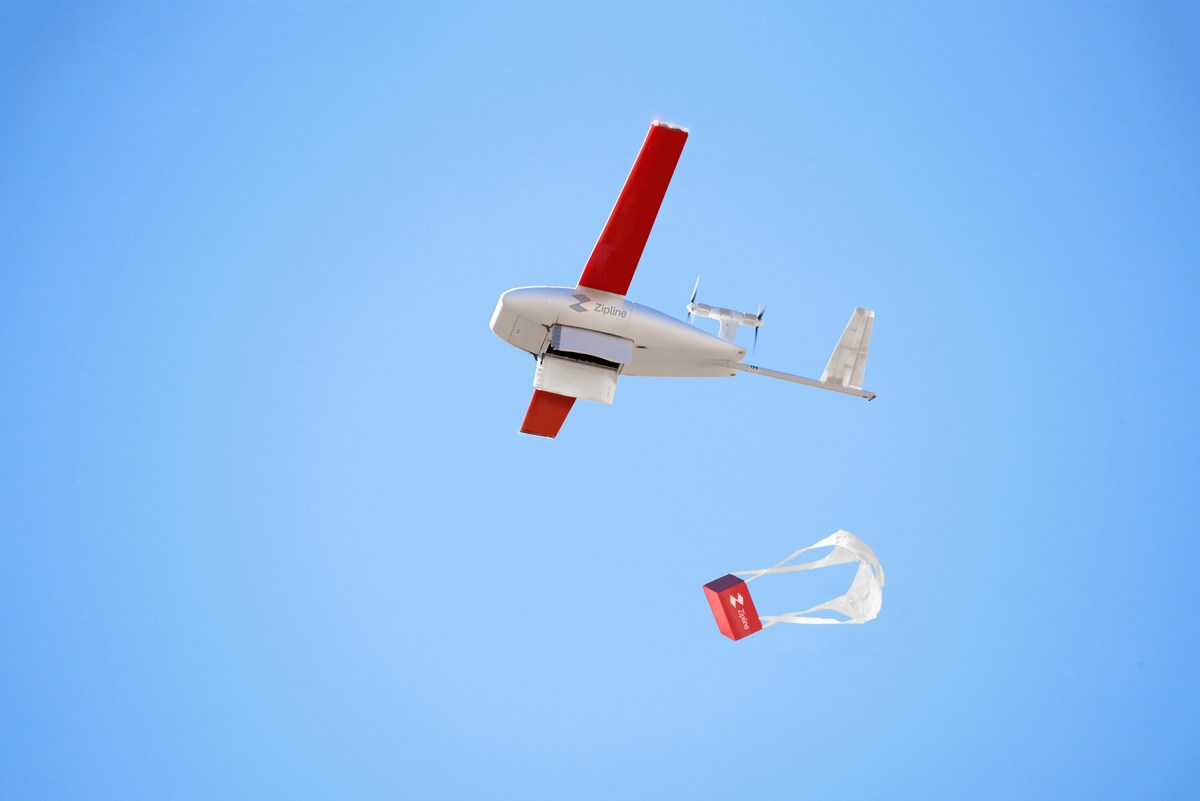
Zipline just scored a massive win: a $150 million US State Department investment to help African nations scale the world’s largest medical drone network, tripling access to lifesaving deliveries of blood and medicine.
DJI just posted one of its most urgent public messages yet, and if you’ve struggled to find certain DJI drones on US shelves lately, you’ll understand why. A little-known deadline in Congress is now only weeks away, and it could cut Americans off from all future DJI product launches unless Washington acts.
Florida Senator Rick Scott is turning up the heat on Chinese drone giant DJI and on the Federal Communications Commission (FCC), which is preparing to give itself sweeping new powers to ban previously approved devices from the US market.
DJI is pushing back against what it says is an unjust US ban effort. The world’s biggest drone maker has filed an appeal after a federal court upheld the Pentagon’s “Chinese Military Company” label — a decision that keeps DJI on a blacklist threatening its access to government contracts and US markets.
The Federal Communications Commission (FCC) is tightening its grip on foreign-made technology, and drone maker DJI may soon feel the heat. FCC Chairman Brendan Carr has announced that the agency will vote on new rules allowing it to revoke certifications for previously approved devices deemed national-security risks.
DJI has issued a sharp response to last week’s US court ruling that keeps the company on the Pentagon’s blacklist of “Chinese military companies.” While the world’s largest drone maker is disappointed by the decision, it emphasizes that the court has actually validated its long-standing claim: DJI is not controlled by China’s government, nor is it tied to the military.
A US federal judge has just delivered a big blow to DJI, ruling that the world’s top drone maker will remain on the Pentagon’s blacklist of companies tied to China’s military.
Imagine your town’s search-and-rescue team grounded during a wildfire. Or your local police department unable to deploy drones to find a missing child. That’s not a far-off hypothetical — it’s a very real threat facing thousands of public safety agencies, farmers, and small businesses as Congress weighs the future of DJI drones in the US.
The US Commerce Department has officially opened a Section 232 national security investigation into the import of drones and their components, a move that could significantly reshape the American drone industry and limit the future of major Chinese players like DJI and Autel Robotics.