Federal Aviation Administration (FAA)
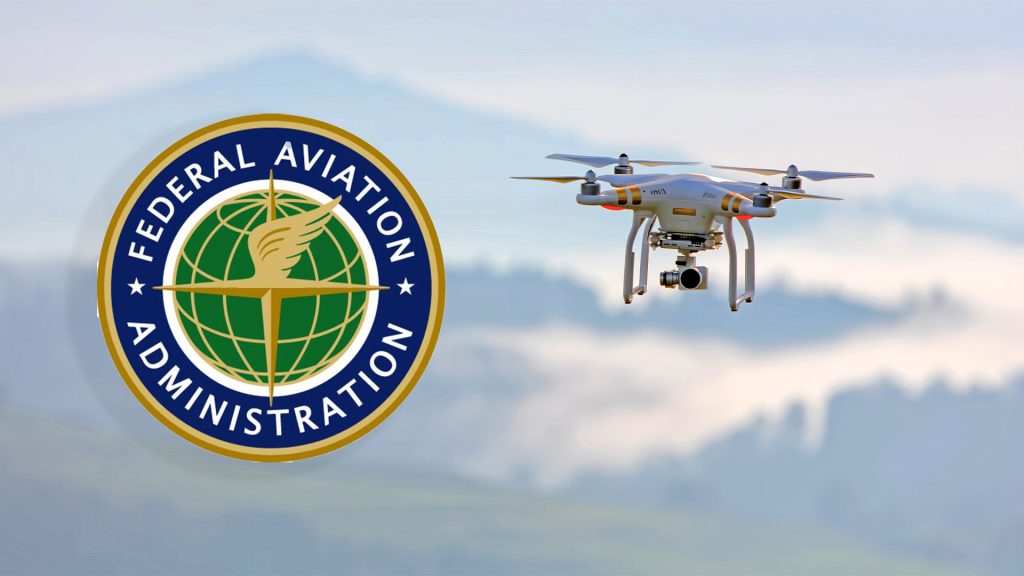
If you fly drones in the United States, there’s one acronym you need to know: FAA. It stands for the Federal Aviation Administration, and it’s the government agency that sets the rules for everything that flies in US airspace — including your drone.
The FAA is the go-to authority for commercial and recreational drone operations. Whether you’re a hobbyist flying in your backyard or a Part 107-certified drone pilot inspecting power lines, you’re operating under the FAA’s umbrella.
Broadly, the FAA is part of the US Department of Transportation and was created in 1958 to regulate all aspects of civil aviation. Its mission is to ensure the safety of the skies. Traditionally, that meant overseeing airports, air traffic control, and aircraft certification. But with the rapid growth of drones, the FAA’s responsibilities have expanded.
Today, the FAA sets safety standards and airspace rules for unmanned aircraft systems (UAS) — the formal term for drones.
The FAA plays a central role in how, where, and when you can fly your drone. Here’s how:
1. Registration: If your drone weighs more than 0.55 pounds (250 grams), it must be registered with the FAA. Hobbyists register once and apply the number to all their drones. Commercial pilots, on the other hand, must register each drone individually.
2. Remote ID: As of 2023, most drones flown in the US must comply with Remote ID rules. Remote ID is like a digital license plate, allowing authorities to identify and track drones in the air. The FAA introduced this rule to enhance airspace awareness and safety.
3. Part 107 Certification: If you plan to fly your drone for business — whether that’s real estate photography, inspections, or anything else that earns money — you need a Part 107 Remote Pilot Certificate. To get certified, you must pass an FAA knowledge test and follow specific rules for commercial operations, like flying below 400 feet and staying within visual line of sight.
4. Airspace Authorizations: The FAA controls US airspace, so if you want to fly near airports or in controlled airspace, you need authorization, even for recreational flights. Luckily, tools like LAANC (Low Altitude Authorization and Notification Capability) make it easier to get near-instant approvals for many areas.
5. Safety and Enforcement: The FAA investigates drone accidents and enforces rules. Flying recklessly, near emergency operations, or over crowds can result in warnings, fines, or even criminal charges.
As drone technology advances, the FAA is evolving too. It’s currently exploring rules for beyond visual line of sight (BVLOS) flights, drone delivery, and UAS traffic management (UTM) systems. These developments could unlock huge potential — but they’ll come with new regulations.
For drone pilots, staying informed about FAA rules isn’t optional — it’s essential. Whether you’re shooting aerial video or flying for fun, the FAA is the agency that keeps the skies safe — and determines what’s possible for drone operations in the US.