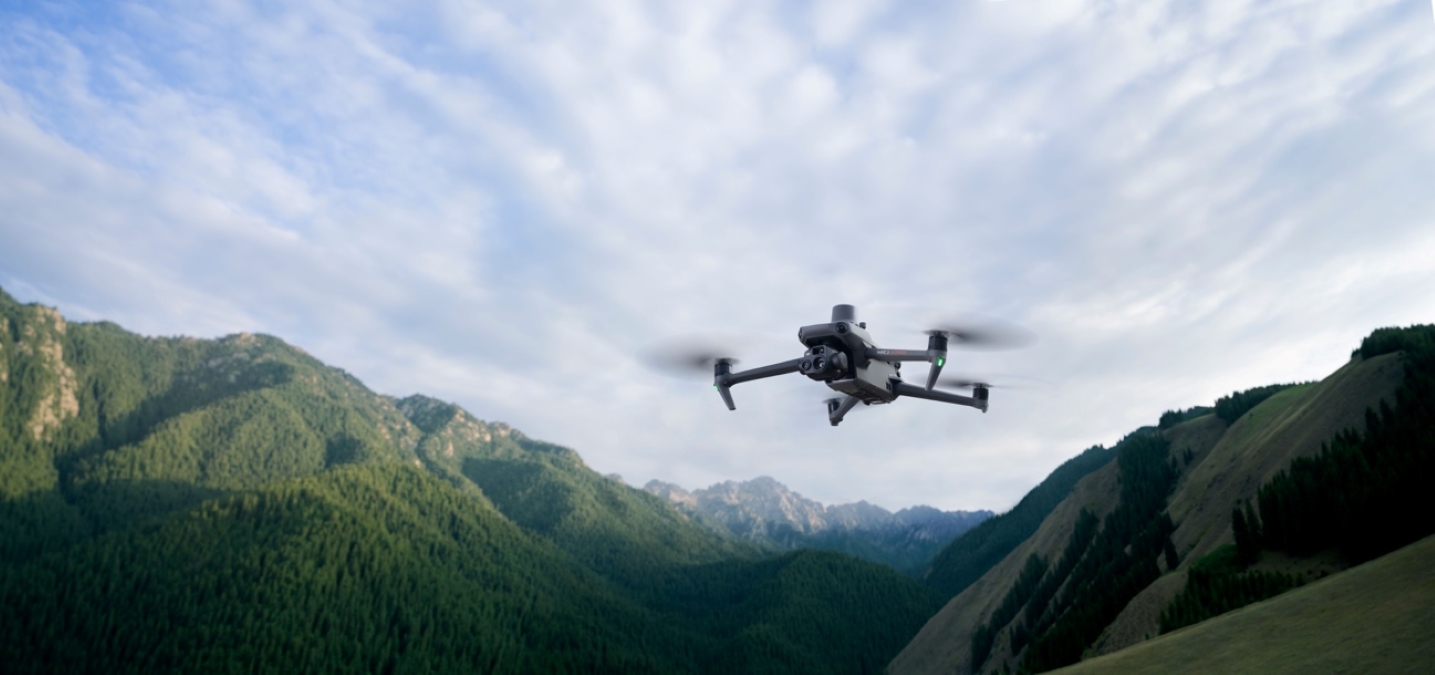
Two Chinese nationals are headed for trial in Malaysia in an espionage case that’s grabbing global headlines. And it all started with a DJI Mavic 3 Enterprise drone.
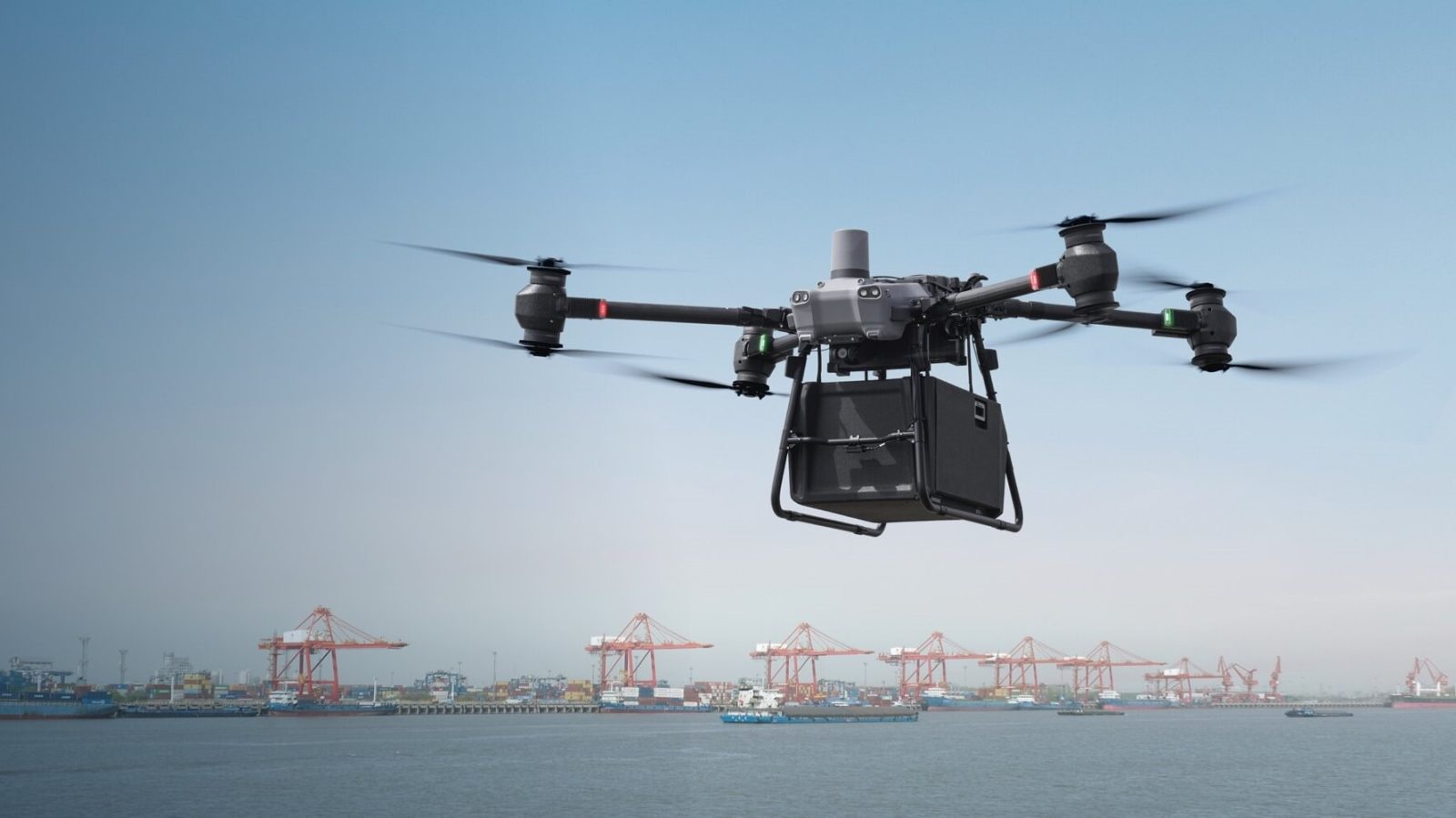
A new initiative is set to introduce cross-border drone delivery services between Malaysia and Singapore. The focus will be on critical deliveries such as urgent documents, high-value electronics, medical supplies, and perishable foods.
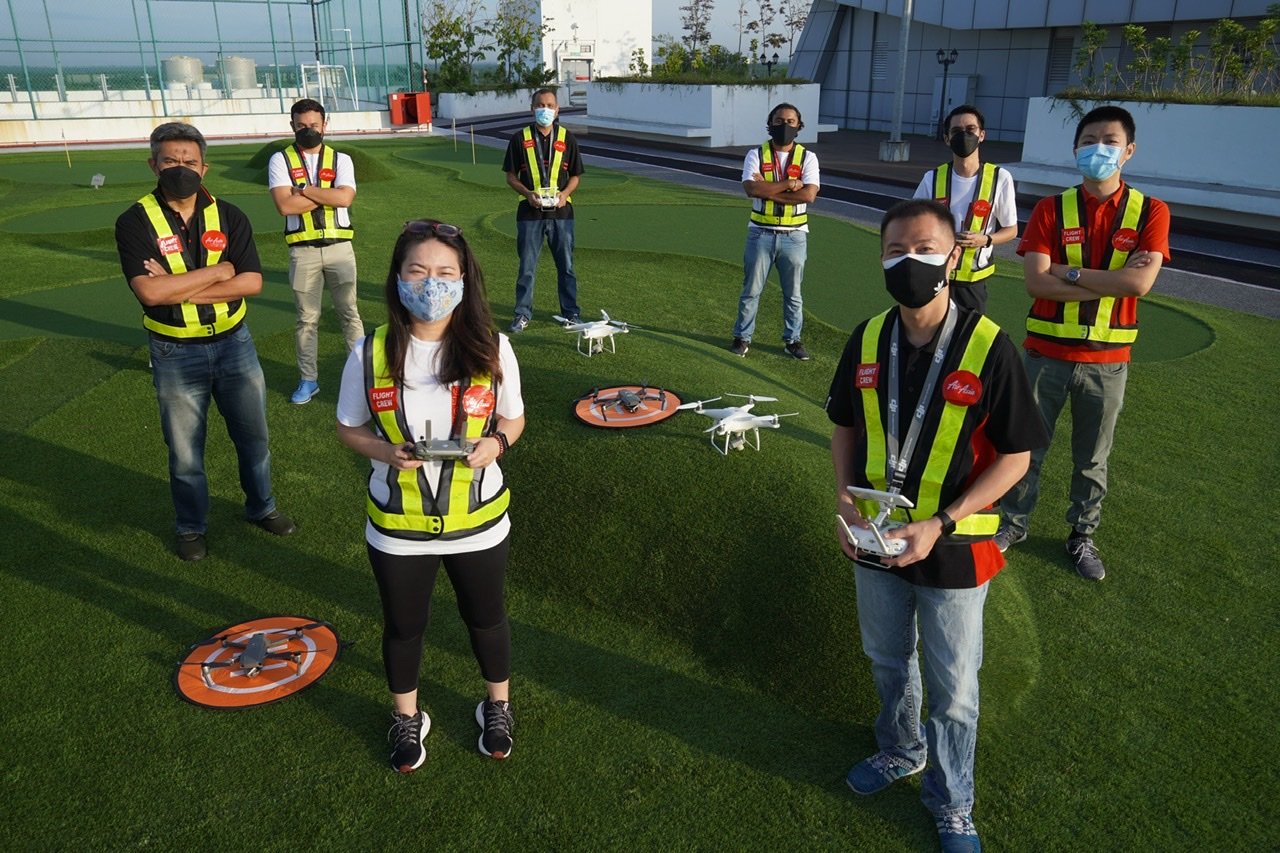
Malaysian airline AirAsia says it has received a green light from the Civil Aviation Authority of Malaysia (CAAM) to conduct remote drone pilot training programs. But why is one of the world’s largest budget airlines looking to create more drone operators?
The Malaysian government has approved a budget of $11.3 million (MYR 48 million) to allow its police department to purchase 16 vertical take-off and landing (VTOL) drones. The budget endorsement comes at a time when thousands of medics, who have played a key role in the country’s COVID-19 response, are protesting over low wages and job insecurity. As a result, many on social media are questioning the cost of these drones, pointing out that the New York Police Department was able to secure 14 drones for $480,000 (MYR 2 million) only in 2018.
The Malaysian state government of Selangor will soon be turning to drones to put a stop to water polluters, a big problem in the state. The drones will start patrolling waterways from next month and catch polluters during the day and night.
The Civil Aviation Authority of Malaysia (CAAM) has given the go-ahead to the Royal Malaysian Police (RMP) to deploy drones for enforcement and surveillance purposes to help reduce the spread of coronavirus. The operation will see the deployment of 92 drones throughout Malaysia.
Kuala Lumpur is testing drones to spray disinfectant on buildings around the city in response to coronavirus. The drones are being considered as an option thanks to the relative ease of sending a drone up instead of a manned crew that is more expensive and a higher safety risk.
The Malaysian Health Ministry plans to extend their use of drone technology at state health departments throughout the nation in an effort to combat Aedes mosquitoes and control Dengue outbreaks. Minister Datuk Seri Dr Dzulkefly Ahmad said The drones can be very effective to detect the mosquitoes, especially in hard-to-reach areas. He continued to say that based on preliminary information, the allocation to purchase the drones could be sought through the ministry through provisions in Budget 2019.
Drones are being used to monitor deforestation and to track malaria-carrying macaque monkeys deep in the Malaysian forests. Especially in Borneo, there has been a surge in the deadly ‘monkey malaria’, with the disease accounting for 69% of all the human malaria cases in Malaysia. With the help of drones outfitted with infrared cameras, researchers of the Monkey Bar Project are able to better track the monkeys through the forest and ultimately slow down the spreading of the disease.
The Department of Civil Aviation in Malaysia is about to crack down on the illegal drone flying in the country and will set up its own enforcement unit to put a stop to it.
According to industry sources, about 1 million drones have been sold in the Asian country over the last four years, but what many drone owners do not realize is that is illegal to fly an unmanned aerial vehicle or drone for recreational or commercial purposes outside the compounds of their home. According to Civil Aviation Regulations 2016, all drone activity, no matter the size and purpose, requires a flying permit from DCA.