US drone ban has a growing exemption list

The United States has exempted four foreign-made drones from its sweeping import ban. See the latest additions to a list that’s quietly getting longer…
Expand Expanding Close
The United States has exempted four foreign-made drones from its sweeping import ban. See the latest additions to a list that’s quietly getting longer…
Expand Expanding Close
After filing its appeal in federal court, drone maker DJI is now laying out why it believes the Federal Communications Commission’s decision to blacklist the company is unlawful, harmful, and unsupported by evidence. In comments shared with DroneDJ, a DJI spokesperson said the company is “challenging the Federal Communications Commission’s decision to prohibit DJI from marketing, selling, and importing new products into the United States.”
Expand Expanding Close

If you fly a DJI drone, here’s the answer you actually came for: yes, your drone can still receive firmware updates in the US. And yes, that was very much in doubt until now.
Expand Expanding Close

The HoverAir Aqua is designed to survive something consumer drones usually fear most: water. Marketed as the world’s first waterproof selfie drone, Aqua promised carefree flying over lakes, pools, and oceans — no emergency landings, no panic over splashes. That pitch helped the drone raise more than $2 million on Indiegogo from over 1,800 backers. However, the Aqua now faces a very different challenge.
Expand Expanding Close

The day much of the US drone community has been dreading is officially here. The Federal Communications Commission (FCC) has taken its most decisive step yet against foreign-made drones, adding DJI, Autel, and other overseas manufacturers to its national security “Covered List.” The move effectively blocks new drone models from entering the US market, marking the end of weeks of uncertainty, reviews, and waiting, as federal agencies ran out the clock on whether companies like DJI would ever clear long-promised security audits.
Expand Expanding Close
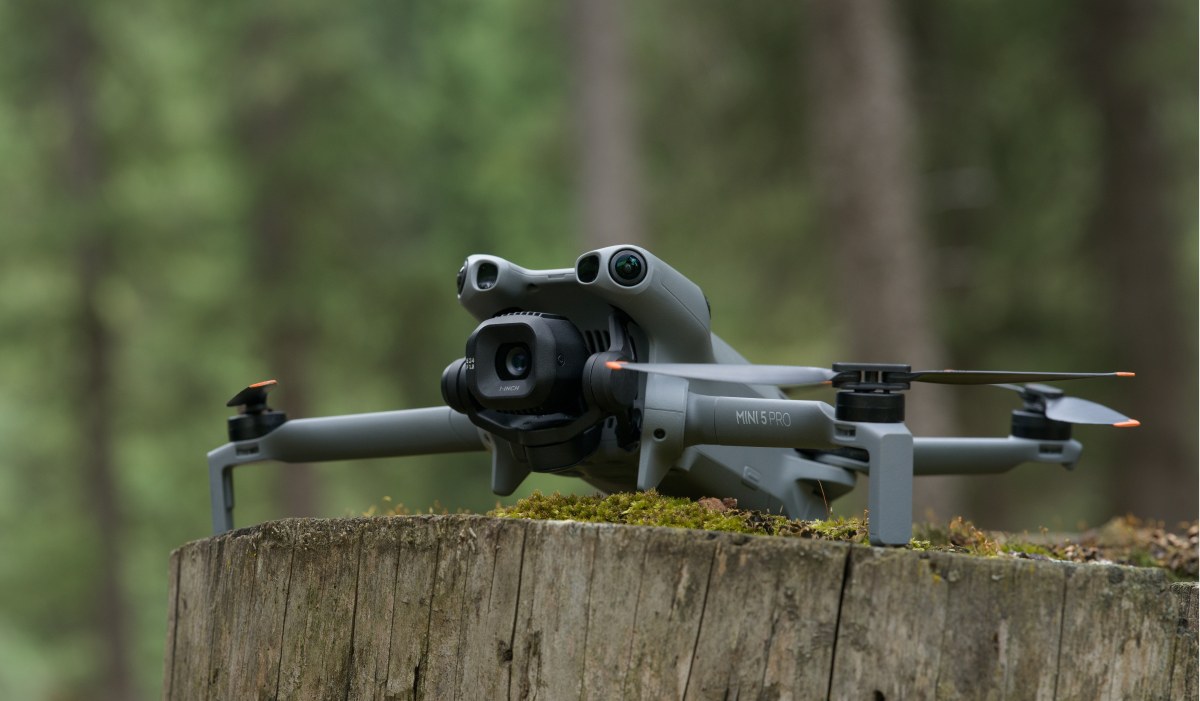
The US government just turned up the heat on DJI, again. In a unanimous 3-0 decision, the Federal Communications Commission (FCC) has voted to give itself the authority to retroactively ban electronic devices that were already cleared for sale in the country, if their makers are later deemed national security risks.
Expand Expanding Close
Florida Senator Rick Scott is turning up the heat on Chinese drone giant DJI and on the Federal Communications Commission (FCC), which is preparing to give itself sweeping new powers to ban previously approved devices from the US market.
Expand Expanding Close
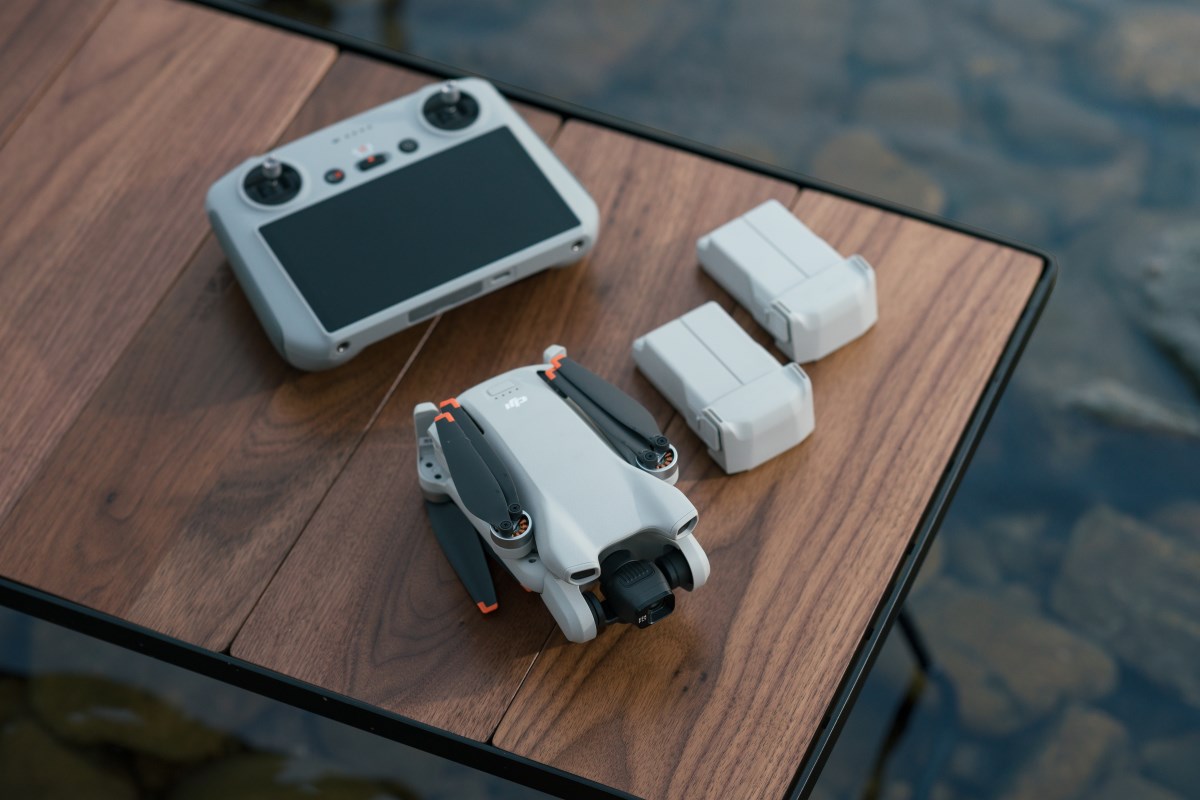
The Federal Communications Commission (FCC) is tightening its grip on foreign-made technology, and drone maker DJI may soon feel the heat. FCC Chairman Brendan Carr has announced that the agency will vote on new rules allowing it to revoke certifications for previously approved devices deemed national-security risks.
Expand Expanding Close

The next product in DJI’s Power lineup, the DJI Power 2000, has appeared in the FCC database. While details about its features are still limited, the launch is expected to occur soon, as the FCC listing typically signals an imminent release.
Expand Expanding Close
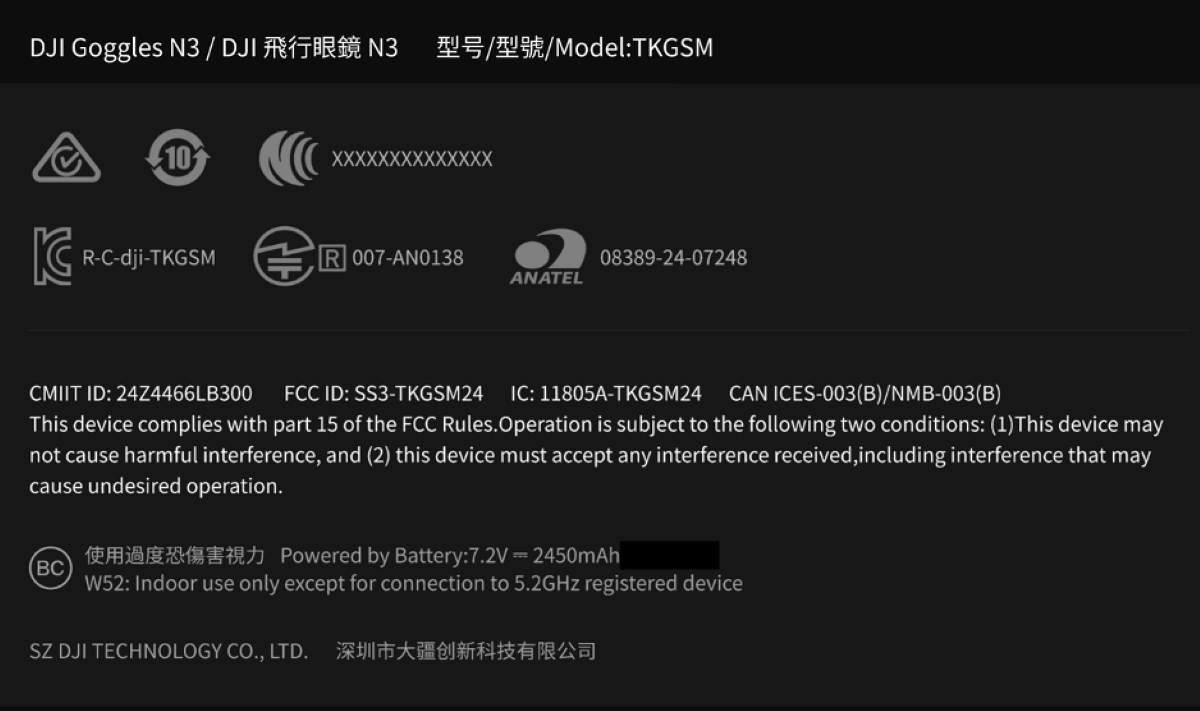
The much-anticipated DJI Goggles N3 has just made an appearance on the US FCC database, confirming its existence and stirring excitement among FPV enthusiasts. Leaks from various sources suggest that this new headset could be a game-changer, providing a more budget-friendly entry into the FPV world without sacrificing core features.
Expand Expanding Close
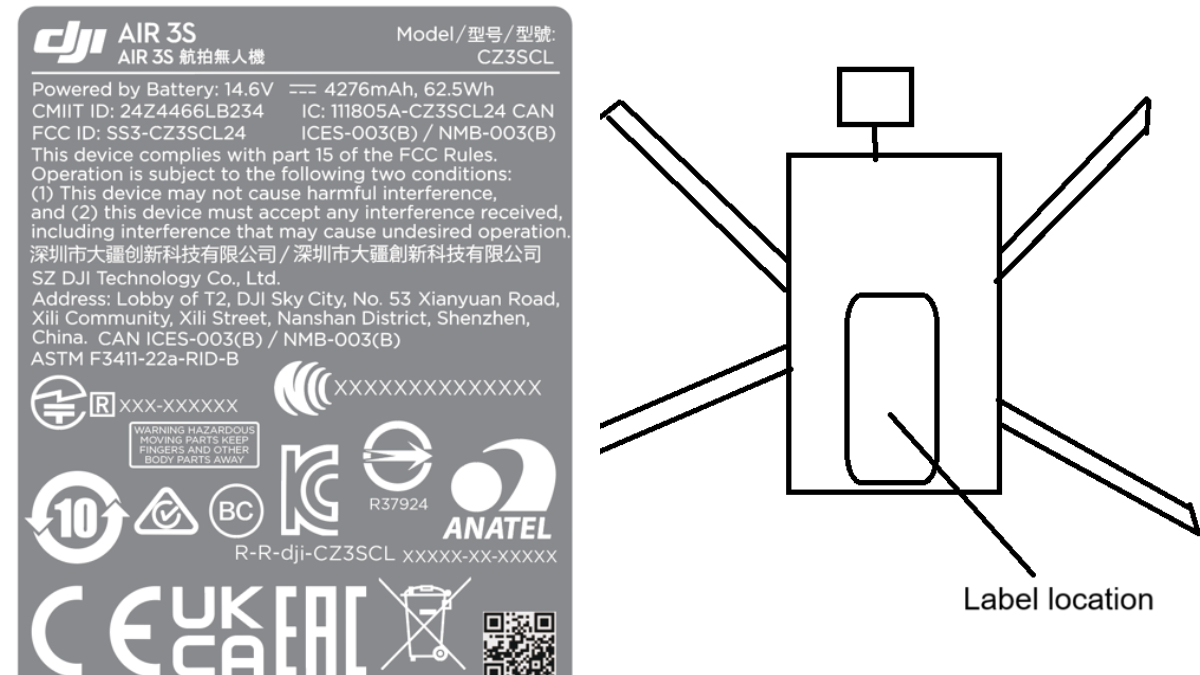
DJI Air 3S appears to be on the cusp of global launch as the drone has surfaced on the US Federal Communications Commission (FCC) website. The FCC listing confirms the model number (CZ3SCL) for the new DJI drone.
Expand Expanding Close
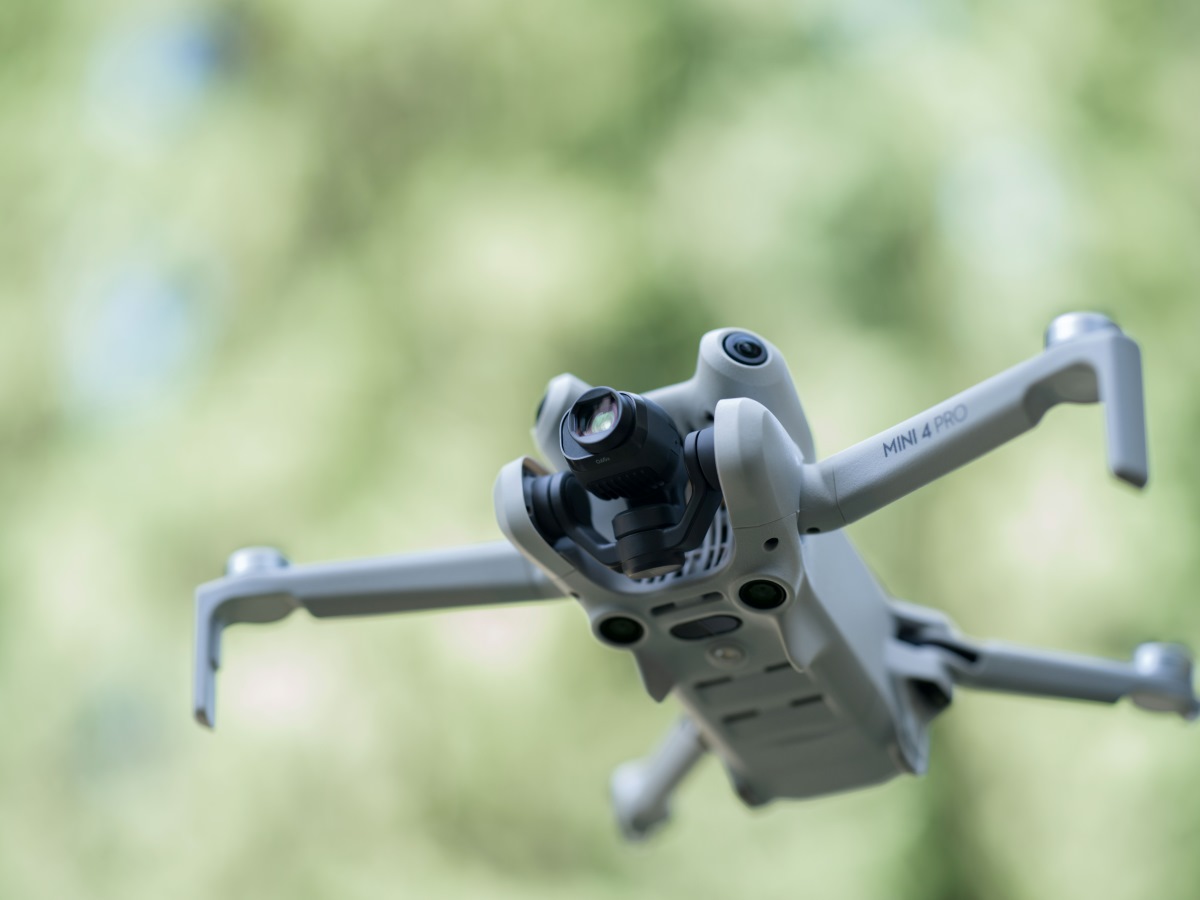
With Congress only hours away from deciding tech giant DJI’s future in the United States, here’s what the “Countering CCP Drones Act” (HR 2864) means for the drones you already have.
Expand Expanding Close
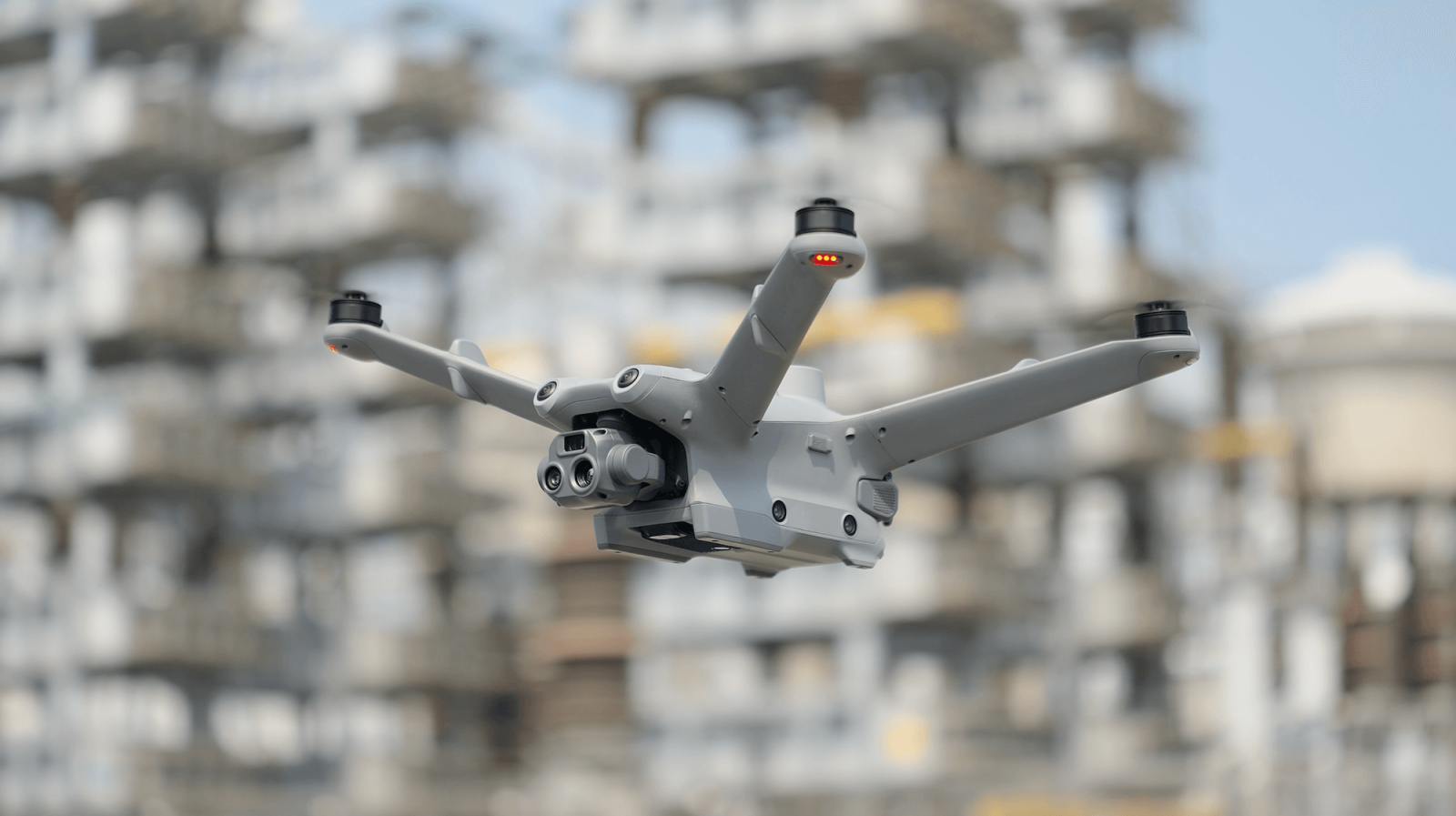
New listings from DJI have just hit the US FCC database. It looks like the second generation of DJI’s nested drone solution is finally ready for the North American market.
Expand Expanding Close
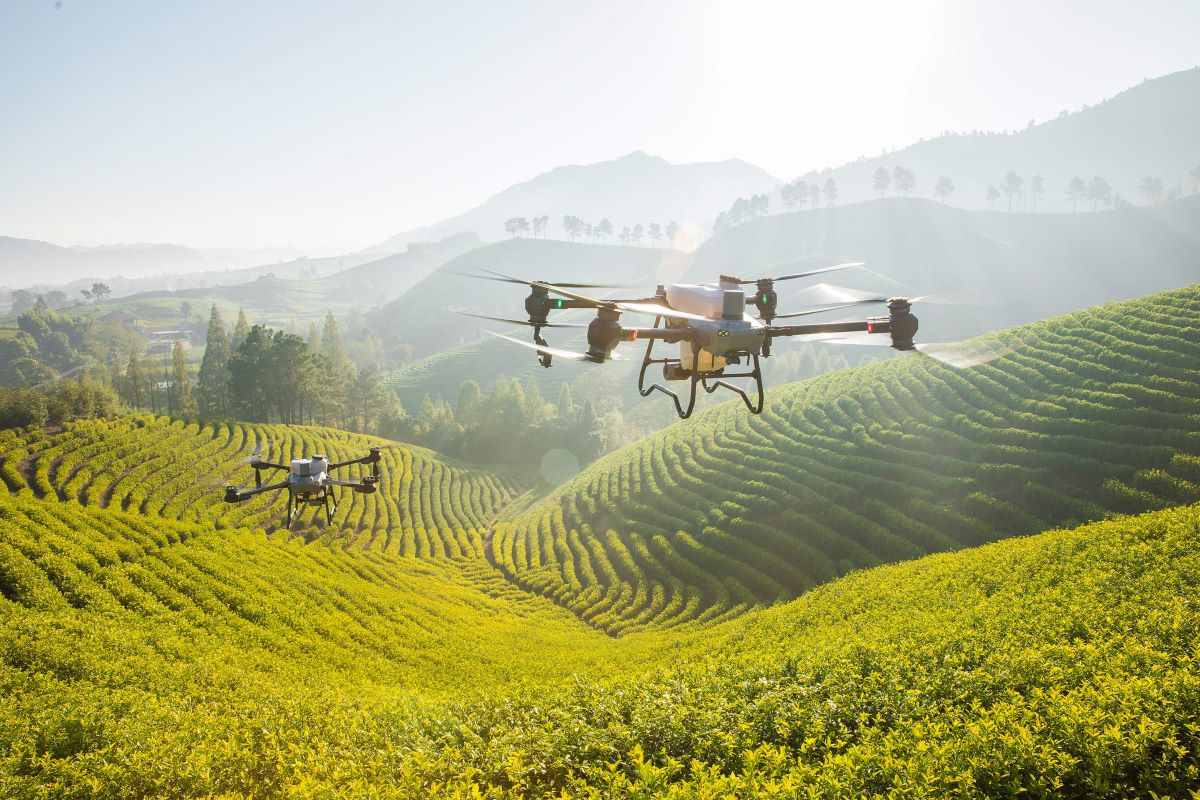
We already know from FCC filings that DJI is prepping to release a new sub-250-gram, Mini 4 Pro. However it appears that would not be the only drone DJI could launch in North America this month. The tech giant has also completed the FCC paperwork to bring two new Agras agriculture drones, T50 and T25, to the US market.
Expand Expanding Close
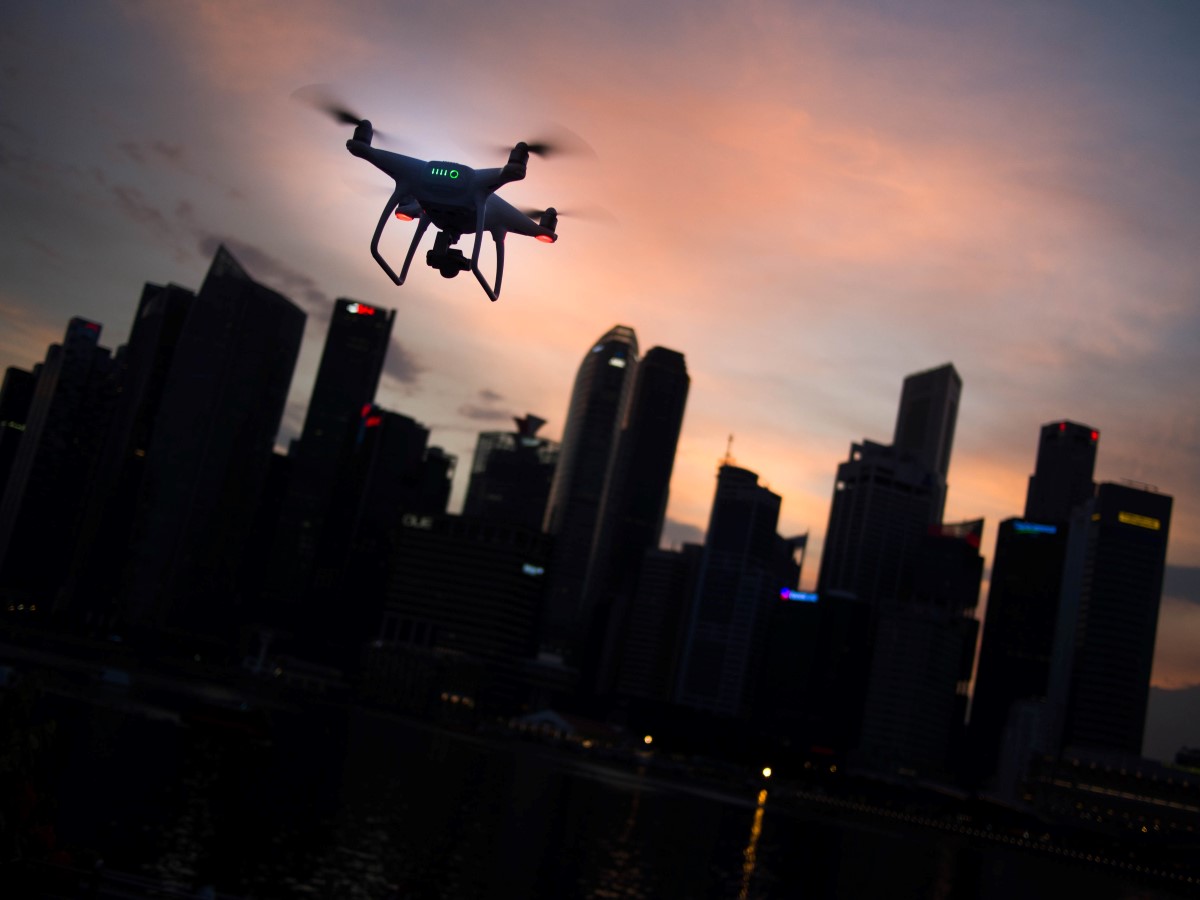
The US Federal Communications Commission (FCC) has proposed new rules to promote access to licensed radio spectrum by drone operators.
Expand Expanding Close
HobbyKing, a retail site that develops and sources radio control (RC) products for aviation enthusiasts and FPV drone pilots, is being sued by the United States of America after the company failed to pay nearly $3 million in fines for marketing unauthorized drone transmitters.
Expand Expanding Close
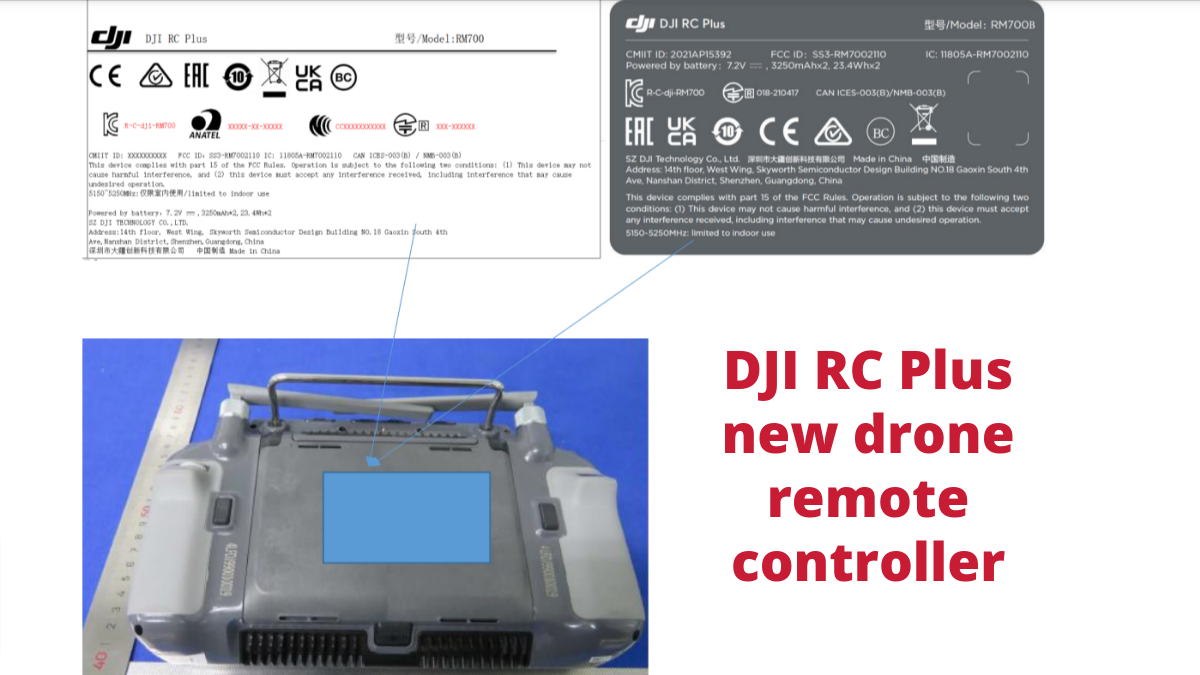
A new listing from DJI has just hit the FCC with the name DJI RC Plus, pointing at a new drone remote controller to be released soon. The listing comes with the usual test documents, including the all-important FCC label and location.
Expand Expanding Close
After calling for new restrictions on DJI drone sales in the US, Brendan Carr, a senior Republican commissioner at the Federal Communications Commission (FCC), now wants to ban Spot – the robotic dog developed by Boston Dynamics. His argument? “I’ve seen Terminator, I’ve seen I, Robot. I know how this ends.”
Expand Expanding Close
A study undertaken by the FCC to look at what frequency bands drone operations should run on has suggested 5GHz as the magic number. The study was handed over to Congress with the hopes of a rule change to allow the 5030-5091MHz to be used.
Expand Expanding Close
WiBotic has just announced that it has received FCC approval for its drone wireless charging tech providing up to 300 watts of power to equipped devices. The approval is the first of its kind, allowing mobile robots and drones to be charged wirelessly.
Expand Expanding Close