Federal Aviation Administration (FAA)
See All Stories
FAA drone B4UFLY laanc new administrator Bryan Bedford mosaic bvlos notam

If you fly drones in the United States, there’s one acronym you need to know: FAA. It stands for the Federal Aviation Administration, and it’s the government agency that sets the rules for everything that flies in US airspace — including your drone.

The FAA is the go-to authority for commercial and recreational drone operations. Whether you’re a hobbyist flying in your backyard or a Part 107-certified drone pilot inspecting power lines, you’re operating under the FAA’s umbrella.

Broadly, the FAA is part of the US Department of Transportation and was created in 1958 to regulate all aspects of civil aviation. Its mission is to ensure the safety of the skies. Traditionally, that meant overseeing airports, air traffic control, and aircraft certification. But with the rapid growth of drones, the FAA’s responsibilities have expanded.

Today, the FAA sets safety standards and airspace rules for unmanned aircraft systems (UAS) — the formal term for drones.

The FAA plays a central role in how, where, and when you can fly your drone. Here’s how:

1. Registration: If your drone weighs more than 0.55 pounds (250 grams), it must be registered with the FAA. Hobbyists register once and apply the number to all their drones. Commercial pilots, on the other hand, must register each drone individually.

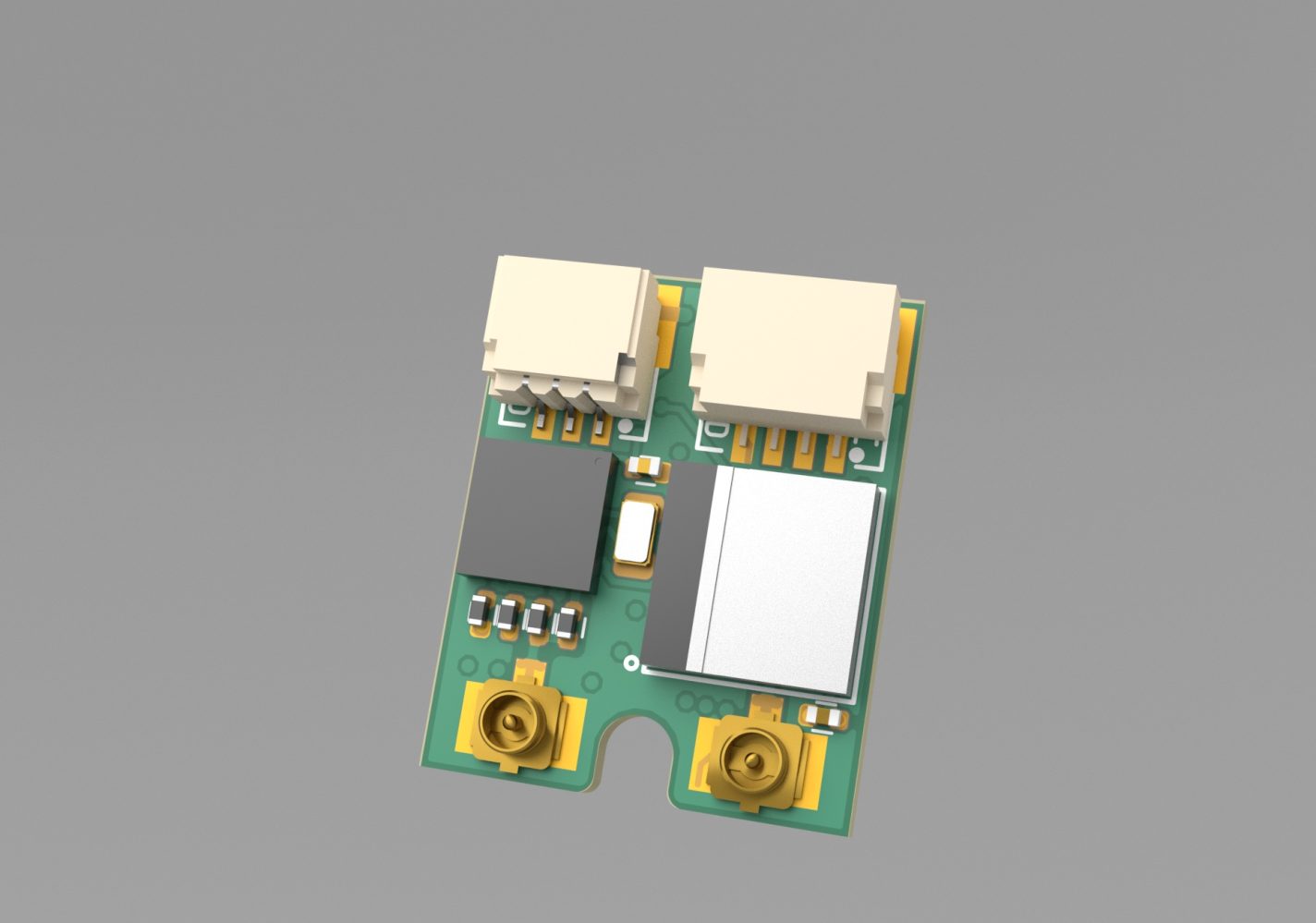
2. Remote ID: As of 2023, most drones flown in the US must comply with Remote ID rules. Remote ID is like a digital license plate, allowing authorities to identify and track drones in the air. The FAA introduced this rule to enhance airspace awareness and safety.

3. Part 107 Certification: If you plan to fly your drone for business — whether that’s real estate photography, inspections, or anything else that earns money — you need a Part 107 Remote Pilot Certificate. To get certified, you must pass an FAA knowledge test and follow specific rules for commercial operations, like flying below 400 feet and staying within visual line of sight.

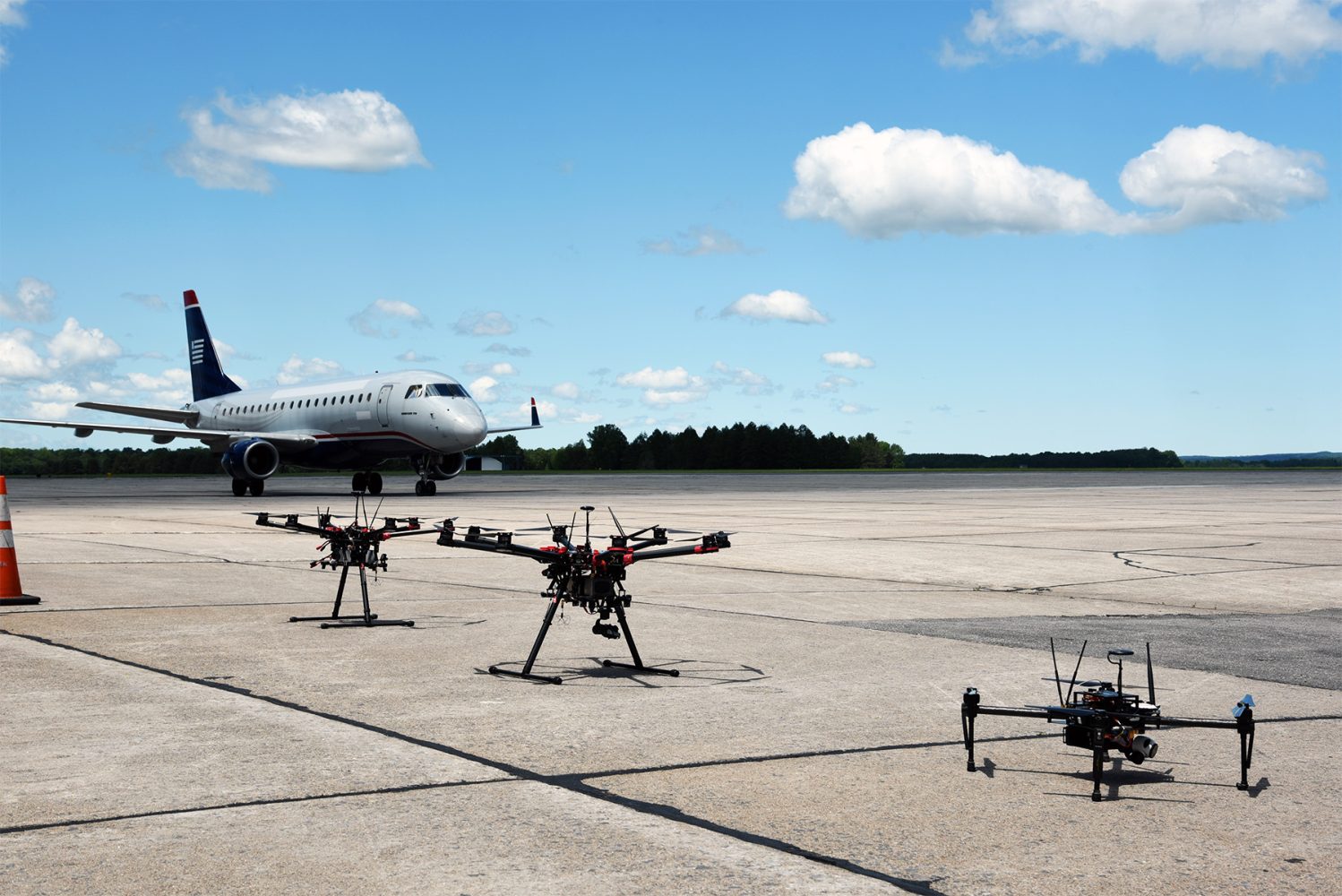
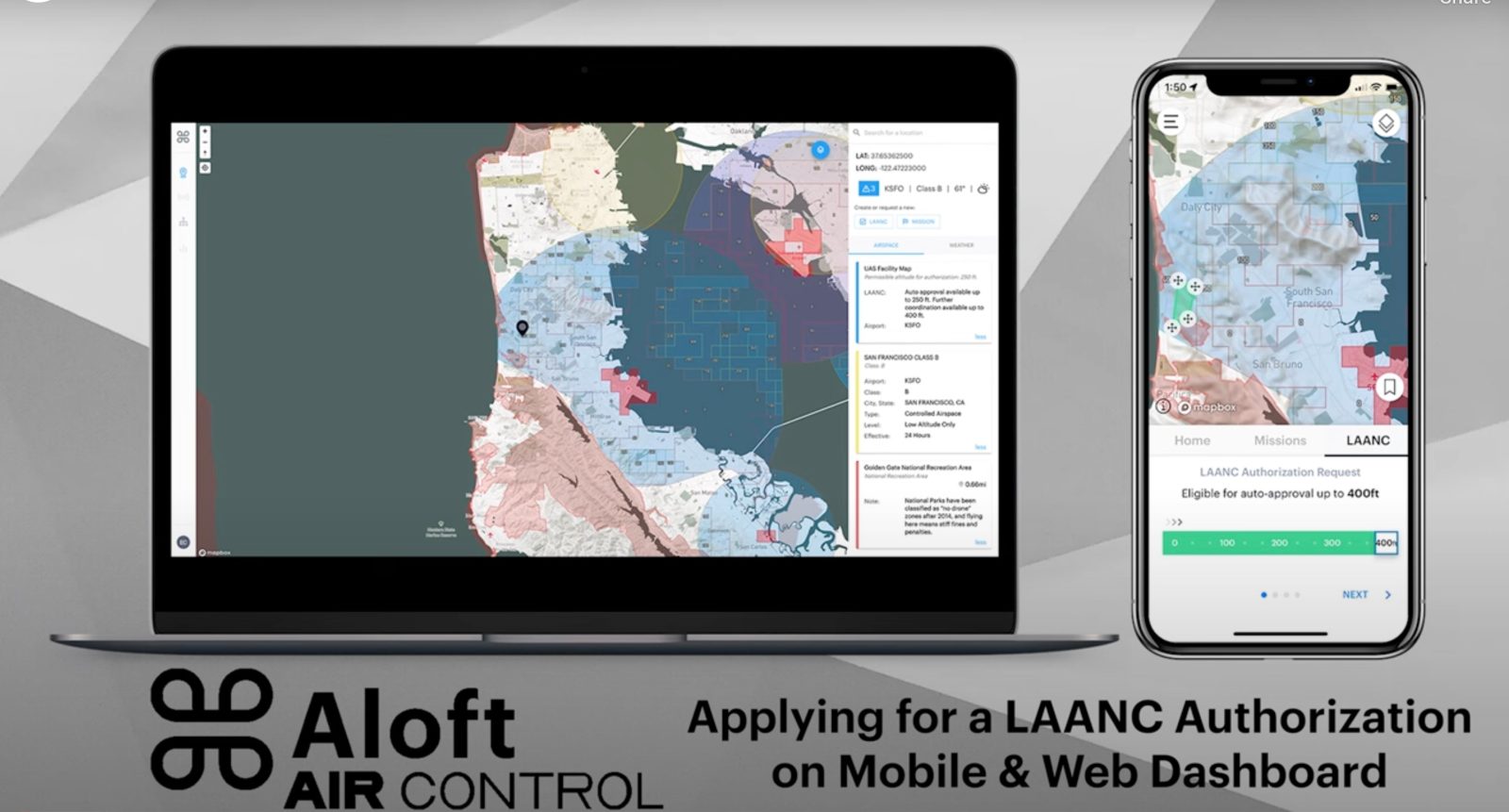
4. Airspace Authorizations: The FAA controls US airspace, so if you want to fly near airports or in controlled airspace, you need authorization, even for recreational flights. Luckily, tools like LAANC (Low Altitude Authorization and Notification Capability) make it easier to get near-instant approvals for many areas.

5. Safety and Enforcement: The FAA investigates drone accidents and enforces rules. Flying recklessly, near emergency operations, or over crowds can result in warnings, fines, or even criminal charges.

As drone technology advances, the FAA is evolving too. It’s currently exploring rules for beyond visual line of sight (BVLOS) flights, drone delivery, and UAS traffic management (UTM) systems. These developments could unlock huge potential — but they’ll come with new regulations.

For drone pilots, staying informed about FAA rules isn’t optional — it’s essential. Whether you’re shooting aerial video or flying for fun, the FAA is the agency that keeps the skies safe — and determines what’s possible for drone operations in the US.

Congress tables (yet another) bill affecting drones – this one via FAA BVLOS rule deadlines

drones BVLOS FAA

The US House of Representatives has added to Washington’s flurry of legislative initiatives in recent months surrounding future airline, drone, next-generation aircraft, and Federal Aviation Administration (FAA) activity, with a new committee proposal that – among many, many other things – sets deadlines for creating new rules on beyond visual line of sight (BVLOS) operations by UAVs.

C

Surging Zipline activity and glowing reputation lift valuation to $4.2 billion

Zipline Cleveland Clinic drone

Leading instant logistics specialist Zipline isn’t just turning heads with its increasingly innovative drone delivery activity around the globe, but it is now also causing jaws to drop with fundraising effectiveness that has reportedly almost doubled its valuation to $4.2 billion.

Expand Expanding Close

Dedrone expands its role in FAA airport drone detection trials

Dedrone drone detection FAA

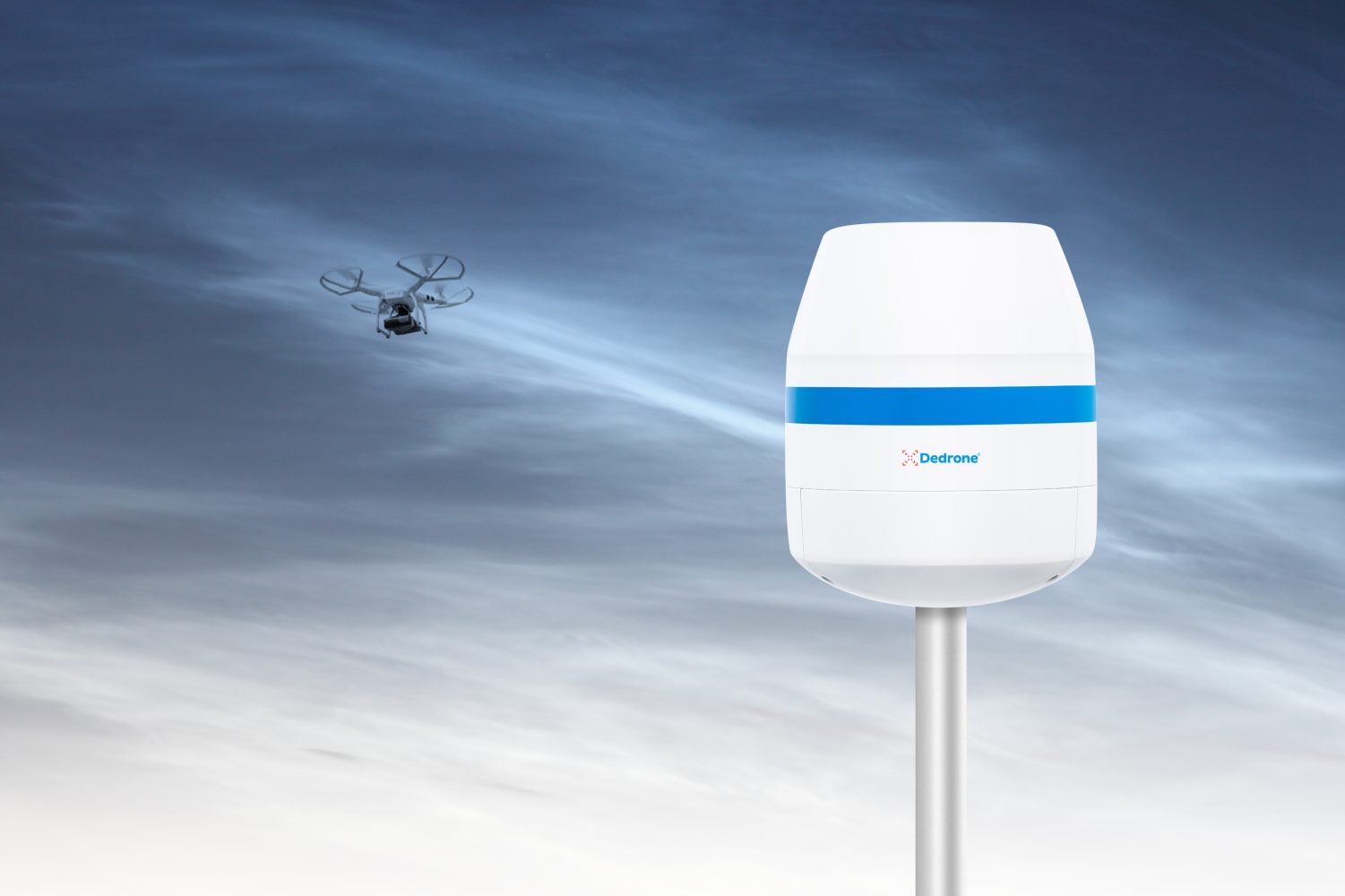
Airspace monitoring and security tech company Dedrone is expanding its work with the Federal Aviation Administration (FAA) in testing its drone detection and identification systems at an increasing number of airports, where it will also demonstrate its mitigation solutions for invasive craft.

Expand Expanding Close

PAU wins nation-wide FAA drone infrastructure inspection waiver

PAU BVLOS drone infrastructure

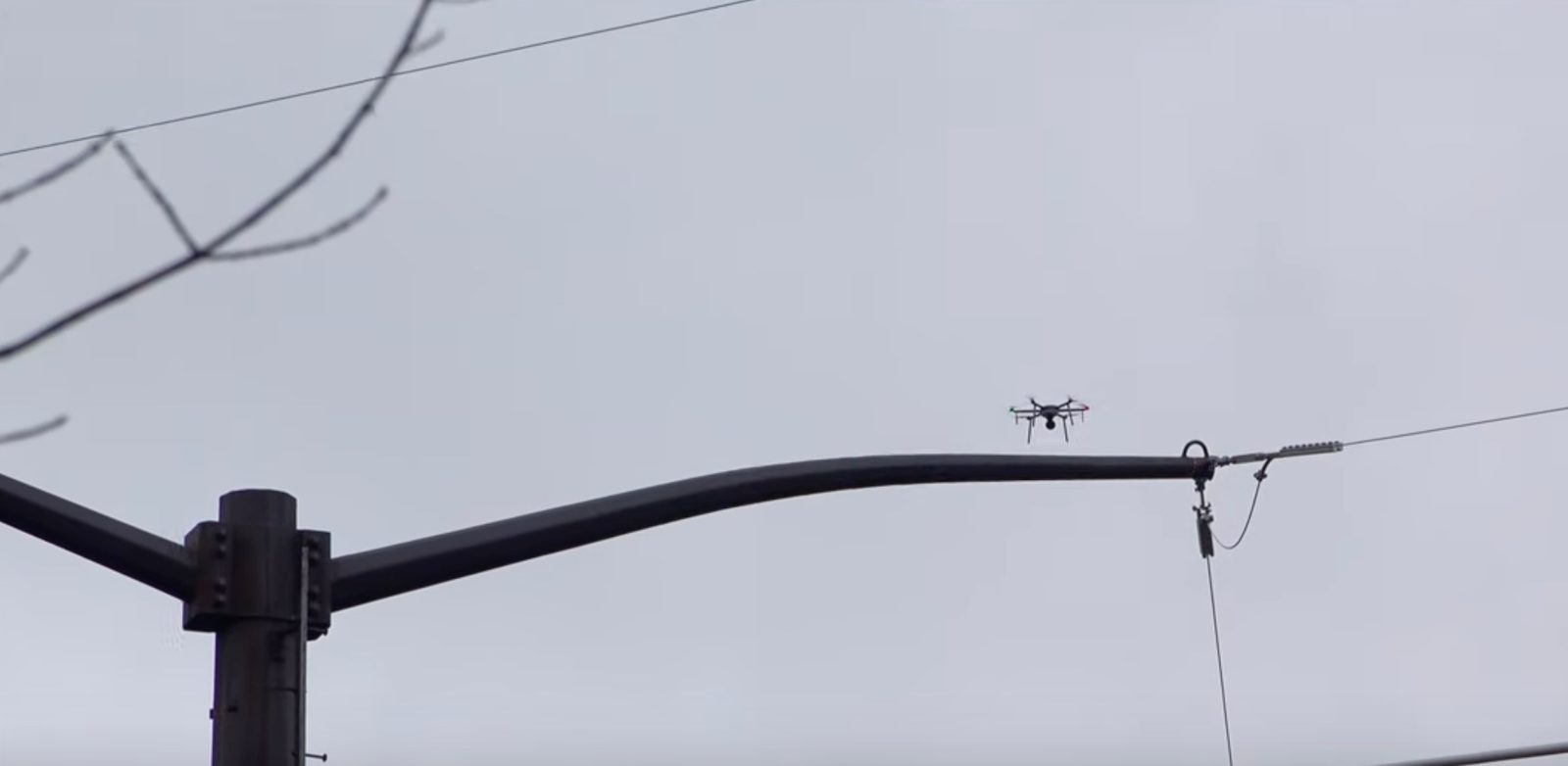
Drone data-gathering company Phoenix Air Unmanned (PAU) has received a nation-wide waiver from the Federal Aviation Administration to use Flyfree’s Alta X UAVs during beyond visual line of sight (BVLOS) powerline infrastructure inspection missions for clients.

Expand Expanding Close

Flytrex reports enormous surge in 2022 drone delivery activity

Flytrex drone delivery

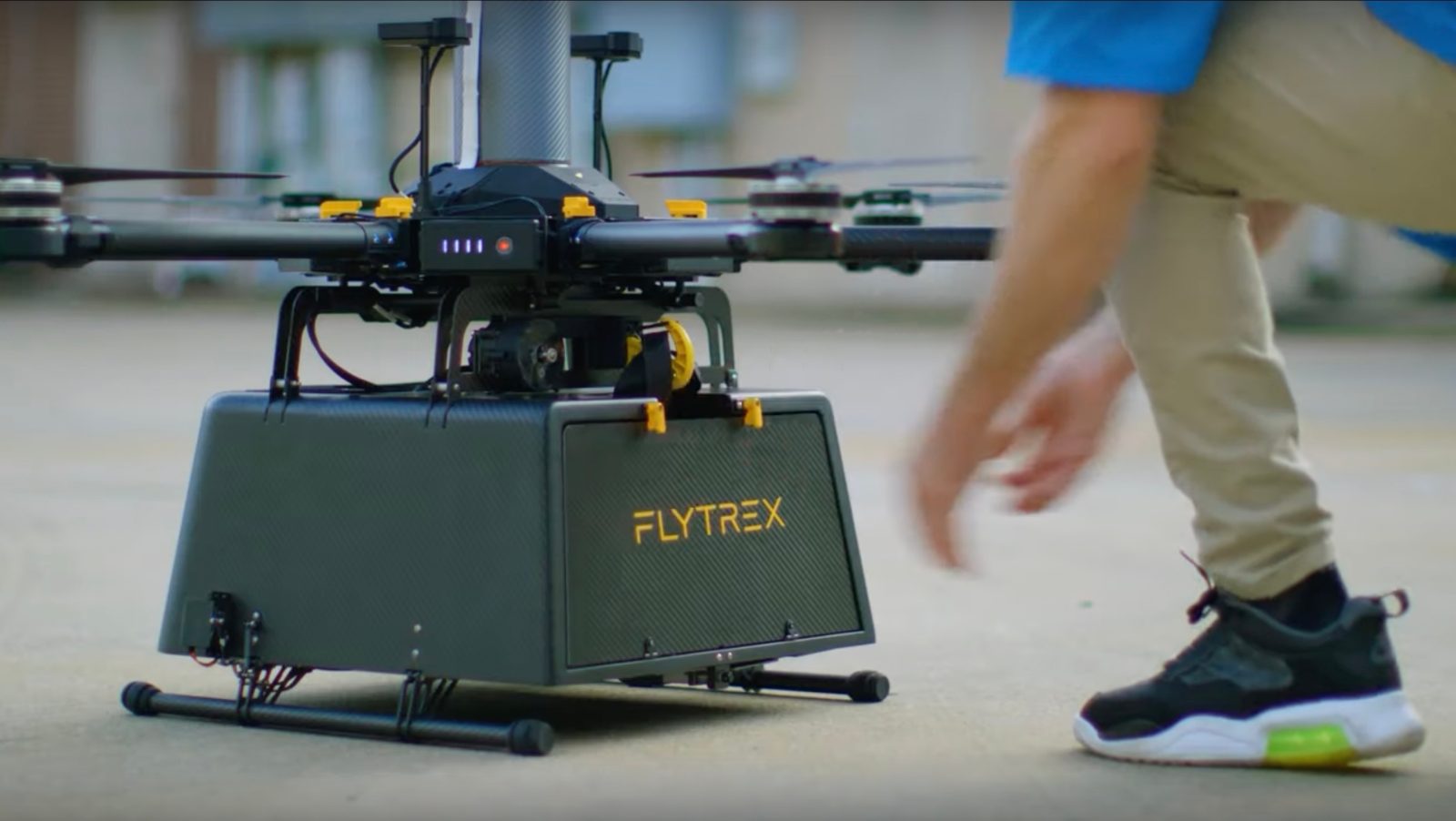
Fast-moving drone delivery startup Flytrex had an eventful 2022, during which it considerably expanded its zones of operation as well as its list of retailers and restaurant partners. Today the company released its annual barometer of activity showing a corresponding jump in clients served last year – a whopping seven-fold increase over 2021 to “21,350 orders” flown.

Expand Expanding Close

Mississippi passes new law to quash undue restrictions on drones

drone delivery toll lane auvsi faa mississippi law

Mississippi governor Tate Reeves has signed the Uncrewed Aircraft Systems’ Rights and Authorities Act into law, which codifies that the ultimate authority over the state airspace lies with the Federal Aviation Administration (FAA). This law is crucial because it prevents additional burdensome regulations for drone operators. At the same time, it clarifies that violations of property-based legal regimes, such as trespass, do not occur when a drone simply flies overhead.

Expand Expanding Close

InDro earns FAA BVLOS waiver for US drone inspections – ‘a Canadian first’

InDro FAA BVLOS drone

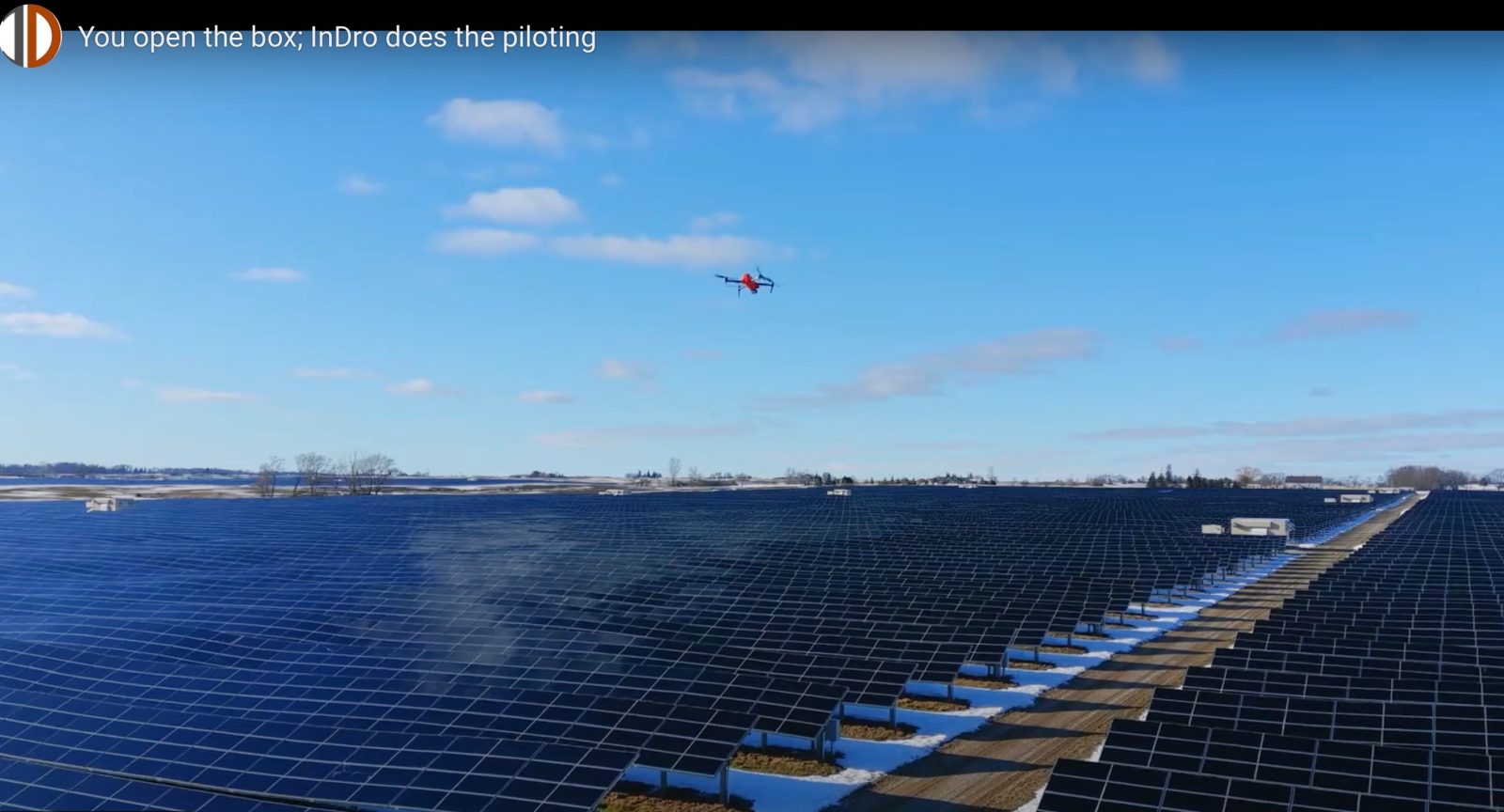
Drone services and ground robotic vehicle specialist InDro Robotics has received a waiver from the Federal Aviation Administration (FAA) to operate beyond visual line of sight (BVLOS) UAV flights in the US, a first for a Canadian company according to the Toronto-based firm.

Expand Expanding Close

Aloft adds nighttime FAA LAANC requests for leisure drone pilots

Aloft FAA drones LAANC

Unified drone mission tech and uncrewed traffic management company Aloft says it has updated its eponymous flight app to support requests by recreation pilots for nighttime flight in controlled airspaces to the Federal Aviation Administration’s (FAA) Low Altitude Authorization and Notification Capability (LAANC) program – a service previously limited to professional operators.

Expand Expanding Close

University of Alaska’s drone program gets FAA waiver designed to facilitate UAV testing

FAA drone University Alaska

A division of the University of Alaska Fairbanks (UAF) specializing in drone development and operation has been given a Federal Aviation Administration (FAA) waiver allowing experts to directly assess the air worthiness of craft and oversee their testing in various operational scenarios and certification trial runs.

Expand Expanding Close

NYPA, Skydio receive FAA waiver for BVLOS drone inspections

NYPA Skydio BVLOS drone

The New York Power Authority (NYPA) has taken another step in its increasing use of drones as tools in inspecting and managing its vast infrastructure by obtaining a Federal Aviation Administration (FAA) waver for beyond visual line of sight flights (BVLOS) at its Blenheim-Gilboa Pumped Storage Power Project, in partnership with Skydio.

Expand Expanding Close

Drone Defence’s AeroPing becomes first UK-made remote ID module to get FAA approval

Drone Defence Remote ID

As the September 16 deadline nears for drones to be broadcasting required craft and flight data under Federal Aviation Administration (FAA) remote ID rules, UAV tech company Drone Defence says its AeroPing module has become the first UK-made transmitter to be approved for use by the US regulator.

Expand Expanding Close

New Senate bill aims to boost FAA BVLOS drone flight approvals

drones BVLOS FAA

A new bipartisan bill has been introduced in the US Senate with the principal objective of streamlining, speeding, and broadening the process under which the Federal Aviation Administration (FAA) authorizes beyond visual line of sight (BVLOS) drone flights by businesses and public agencies.

Expand Expanding Close

Amazon’s delivering drones aren’t (much), reportedly due to FAA flight restrictions

Amazon drone delivery

Despite recurring announcements with significant fanfare at various stages of the service’s very long awaited rollout, it appears Amazon drones aren’t actually delivering much – or often ­­– in the two communities where they were finally put into operation last December.

Expand Expanding Close

FAA Part 135 Certification clears Flytrex for US drone delivery expansion

Flytrex drone delivery FAA

Drone delivery company Flytrex will soon be moving to expand its South Carolina and Texas operations across other US states, after it received Federal Aviation Administration (FAA) Part 135 Certification to offer unscheduled, on-demand aerial services through its longtime partner, Causey Aviation Unmanned (CAU).

Expand Expanding Close