Federal Aviation Administration (FAA)
See All Stories
FAA drone B4UFLY laanc new administrator Bryan Bedford mosaic bvlos notam

If you fly drones in the United States, there’s one acronym you need to know: FAA. It stands for the Federal Aviation Administration, and it’s the government agency that sets the rules for everything that flies in US airspace — including your drone.

The FAA is the go-to authority for commercial and recreational drone operations. Whether you’re a hobbyist flying in your backyard or a Part 107-certified drone pilot inspecting power lines, you’re operating under the FAA’s umbrella.

Broadly, the FAA is part of the US Department of Transportation and was created in 1958 to regulate all aspects of civil aviation. Its mission is to ensure the safety of the skies. Traditionally, that meant overseeing airports, air traffic control, and aircraft certification. But with the rapid growth of drones, the FAA’s responsibilities have expanded.

Today, the FAA sets safety standards and airspace rules for unmanned aircraft systems (UAS) — the formal term for drones.

The FAA plays a central role in how, where, and when you can fly your drone. Here’s how:

1. Registration: If your drone weighs more than 0.55 pounds (250 grams), it must be registered with the FAA. Hobbyists register once and apply the number to all their drones. Commercial pilots, on the other hand, must register each drone individually.

2. Remote ID: As of 2023, most drones flown in the US must comply with Remote ID rules. Remote ID is like a digital license plate, allowing authorities to identify and track drones in the air. The FAA introduced this rule to enhance airspace awareness and safety.

3. Part 107 Certification: If you plan to fly your drone for business — whether that’s real estate photography, inspections, or anything else that earns money — you need a Part 107 Remote Pilot Certificate. To get certified, you must pass an FAA knowledge test and follow specific rules for commercial operations, like flying below 400 feet and staying within visual line of sight.

4. Airspace Authorizations: The FAA controls US airspace, so if you want to fly near airports or in controlled airspace, you need authorization, even for recreational flights. Luckily, tools like LAANC (Low Altitude Authorization and Notification Capability) make it easier to get near-instant approvals for many areas.

5. Safety and Enforcement: The FAA investigates drone accidents and enforces rules. Flying recklessly, near emergency operations, or over crowds can result in warnings, fines, or even criminal charges.

As drone technology advances, the FAA is evolving too. It’s currently exploring rules for beyond visual line of sight (BVLOS) flights, drone delivery, and UAS traffic management (UTM) systems. These developments could unlock huge potential — but they’ll come with new regulations.

For drone pilots, staying informed about FAA rules isn’t optional — it’s essential. Whether you’re shooting aerial video or flying for fun, the FAA is the agency that keeps the skies safe — and determines what’s possible for drone operations in the US.

FAA Part 135 Certification clears Flytrex for US drone delivery expansion

Flytrex drone delivery FAA

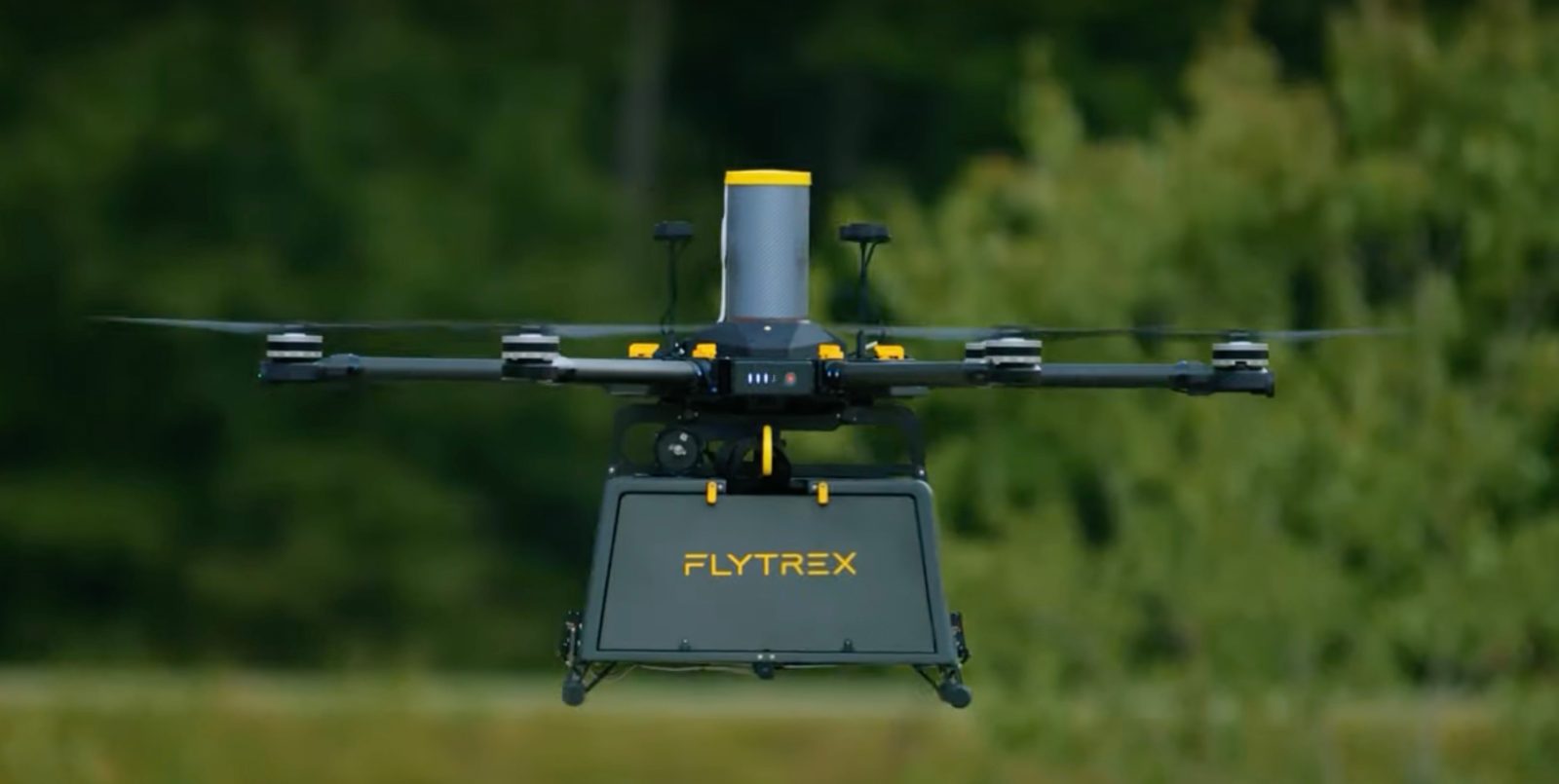
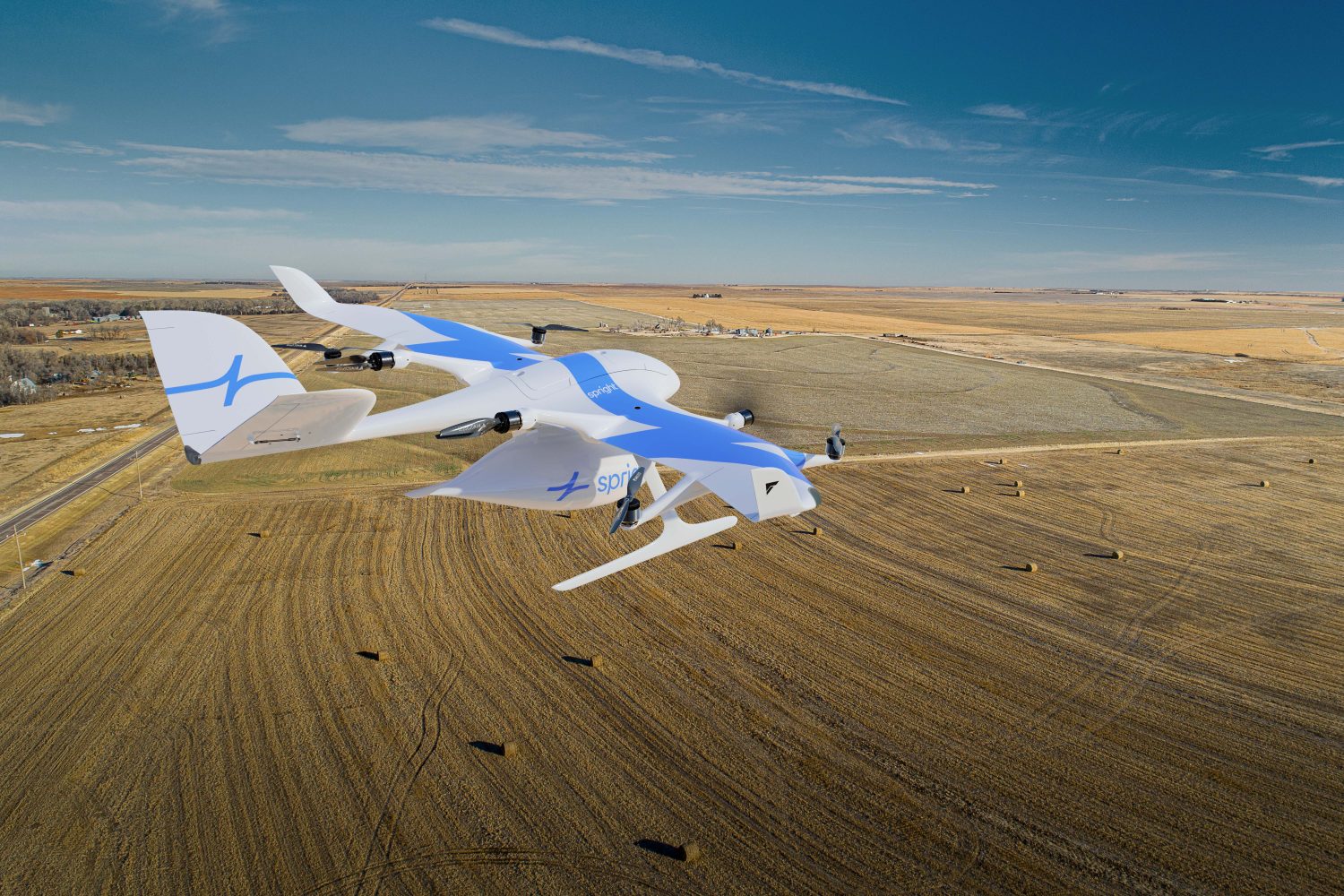
Drone delivery company Flytrex will soon be moving to expand its South Carolina and Texas operations across other US states, after it received Federal Aviation Administration (FAA) Part 135 Certification to offer unscheduled, on-demand aerial services through its longtime partner, Causey Aviation Unmanned (CAU).

Expand Expanding Close

GAO’s report on FAA drone integration strategy: You can do better

GAO FAA drone integration bvlos drone remote id

The Government Accountability Office (GAO) has delivered its report on the Federal Aviation Administration’s (FAA) efforts to integrate drones into the national airspace and its methods of processing requests for operations not covered by Part 107 rules. The main conclusions of the audit are the regulator needs to do better in both establishing and communicating a comprehensive strategy for broader UAV use, and in defining a uniform procedure for issuing waivers.

Expand Expanding Close

uAvionix BVLOS approval with Choctaw Nation of Oklahoma is its second in two weeks

Drone avionics tech specialist uAvionix has announced its detect and avoid systems have received the second Federal Aviation Administration (FAA) authorization for beyond visual line of sight (BVLOS) drone flights in as many weeks, this time in partnership with the Choctaw Nation of Oklahoma (CNO).

Expand Expanding Close

Bill calls for specialized advanced aviation office within the FAA

FAA advanced aviation

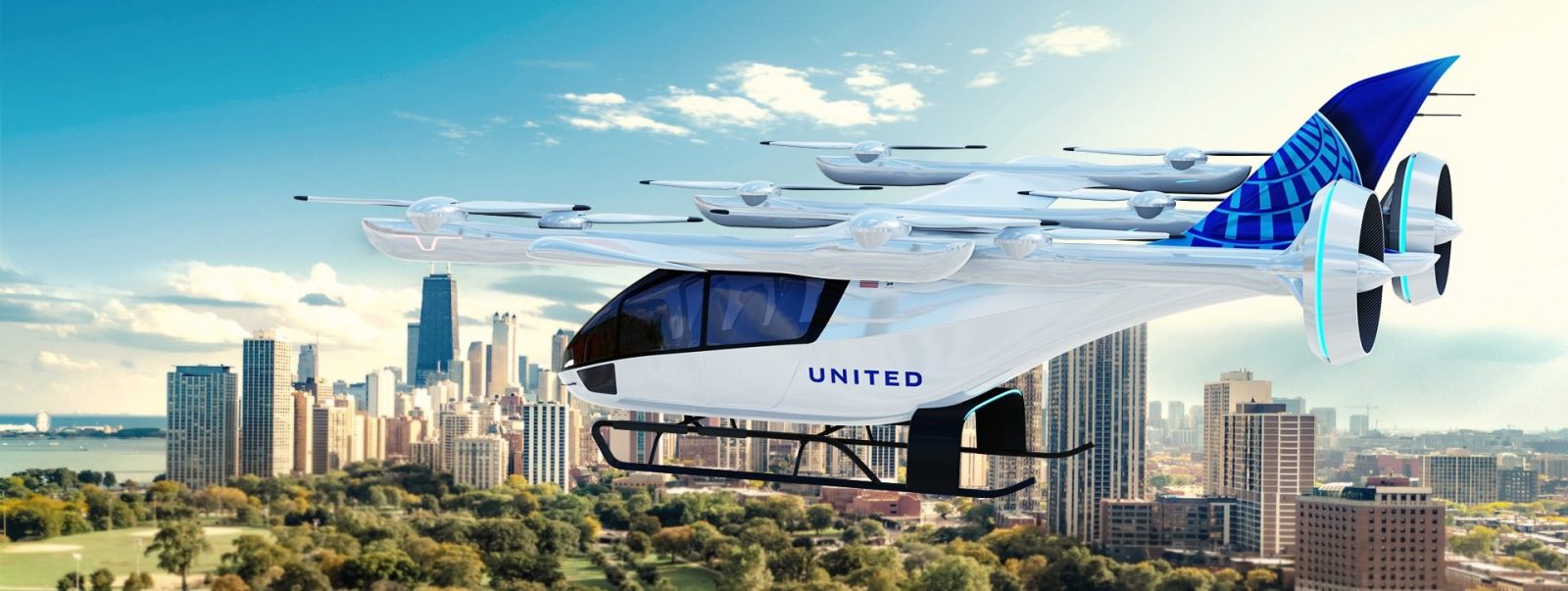
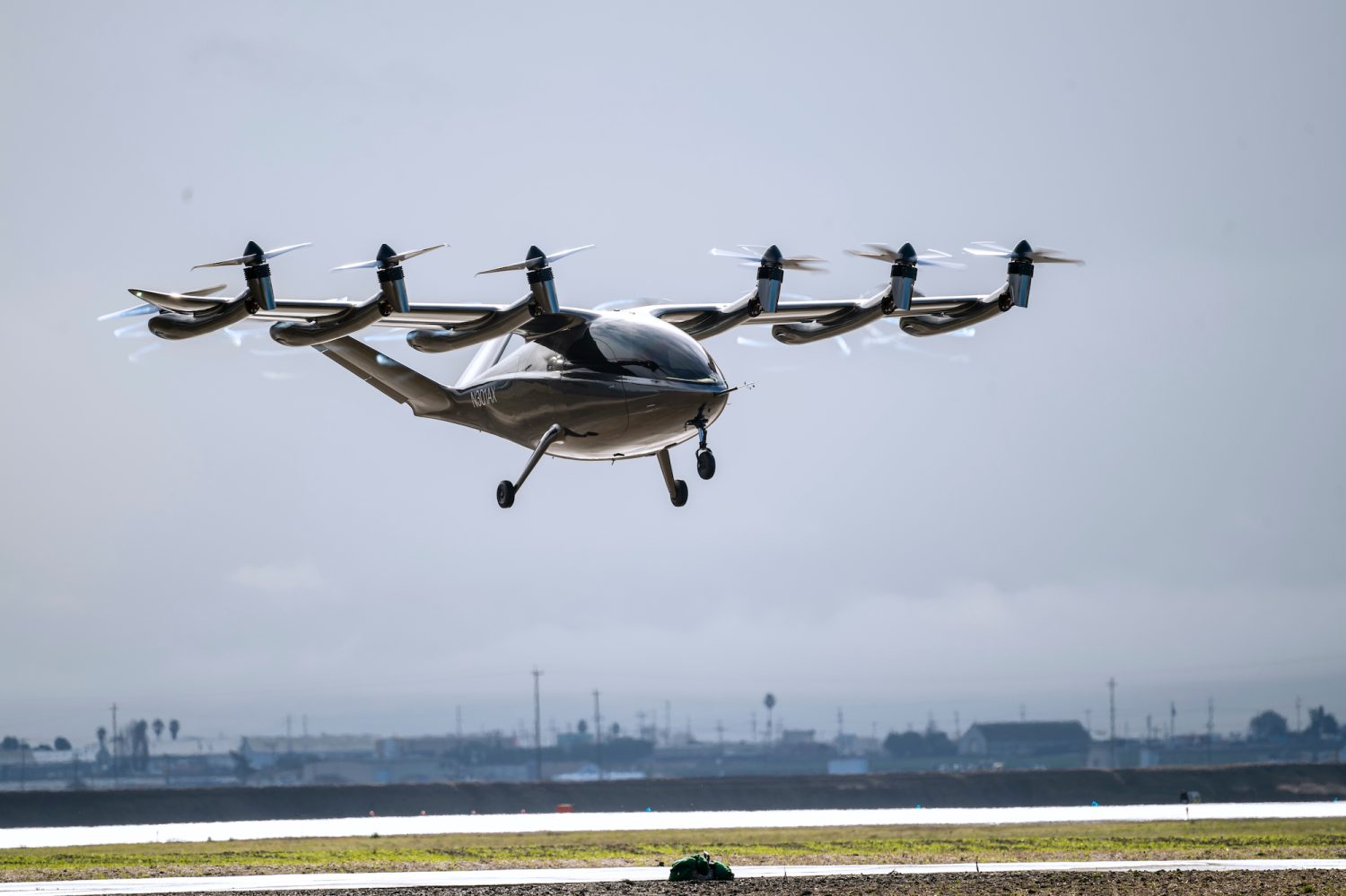
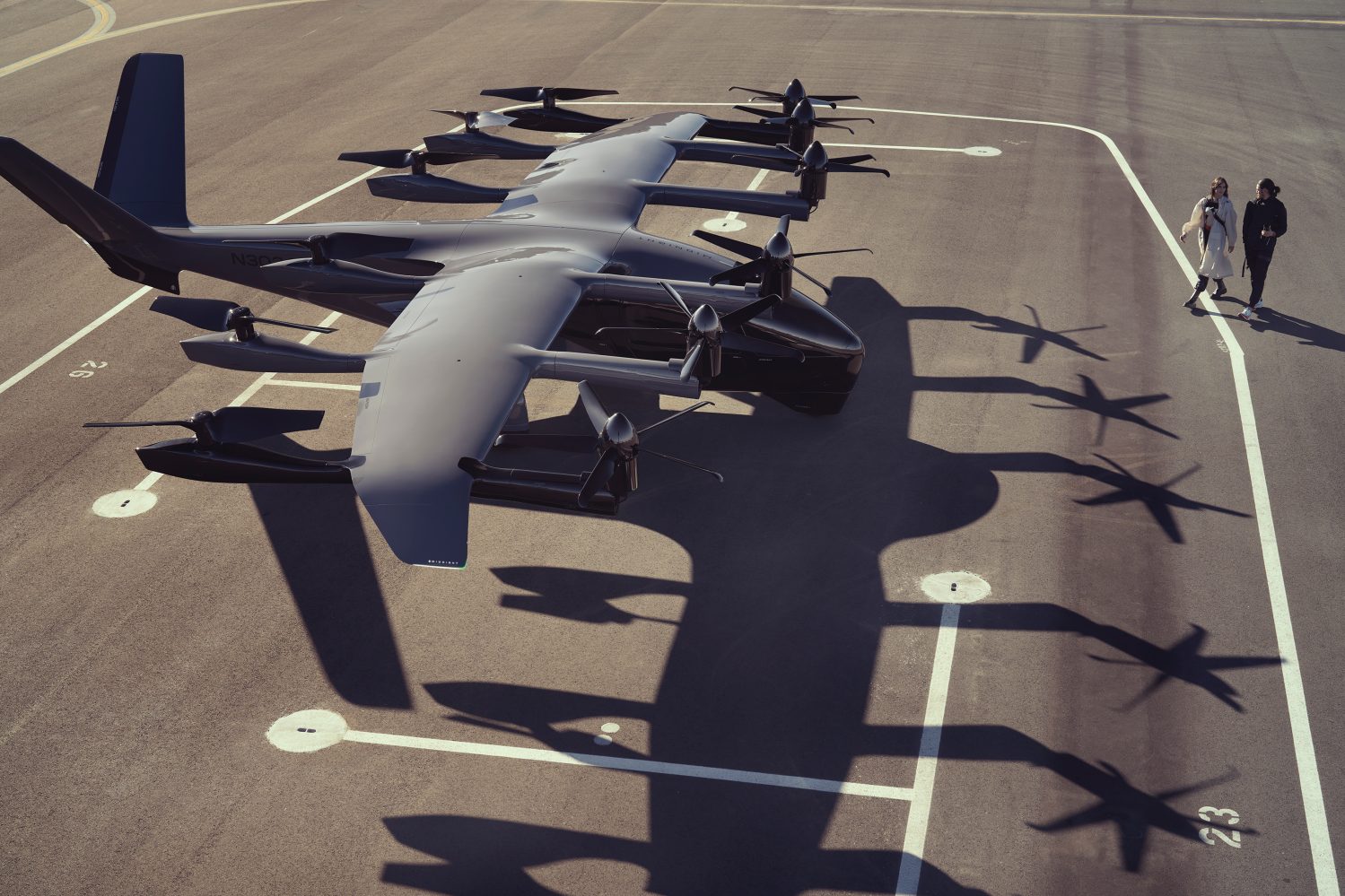
Among the first pieces of legislation introduced to the new Congress is a bill calling for an Office of Advanced Aviation to be created within the Federal Aviation Administration (FAA), which would coordinate regulation of craft, pilot training, air traffic systems, and other considerations particular to next-generation vehicles that will be providing air taxi and other services.

Expand Expanding Close

FAA and South Korea’s KOCA partner on AAM regulation drafting

FAA KOCA AAM

As developers of air taxis and other advanced air mobility (AAM) craft move closer to certification and launch of services, efforts by national regulators to coordinate standards and operating rules have gained momentum ­– most recently with an agreement between the US Federal Aviation Administration (FAA) and the South Korea Office of Civil Aviation (KOCA) to cooperate as rollouts near.

Expand Expanding Close

Percepto drones earn ‘unprecedented’ FAA high altitude BVLOS approval

Percepto BVLOS drone

Ground-breaking autonomous drone systems developer Percepto says it has attained another unprecedented Federal Aviation Agency (FAA) beyond visual line of sight (BVLOS) authorization, this time for its nested UAVs to be used at a solar power plant in Texas to perform highly automated inspections at high altitudes.

Expand Expanding Close

FAA allows Valmont utility inspection drones to fly BVLOS across US

bvlos drone inspection valmont utility top drone service companies 2022 delivery

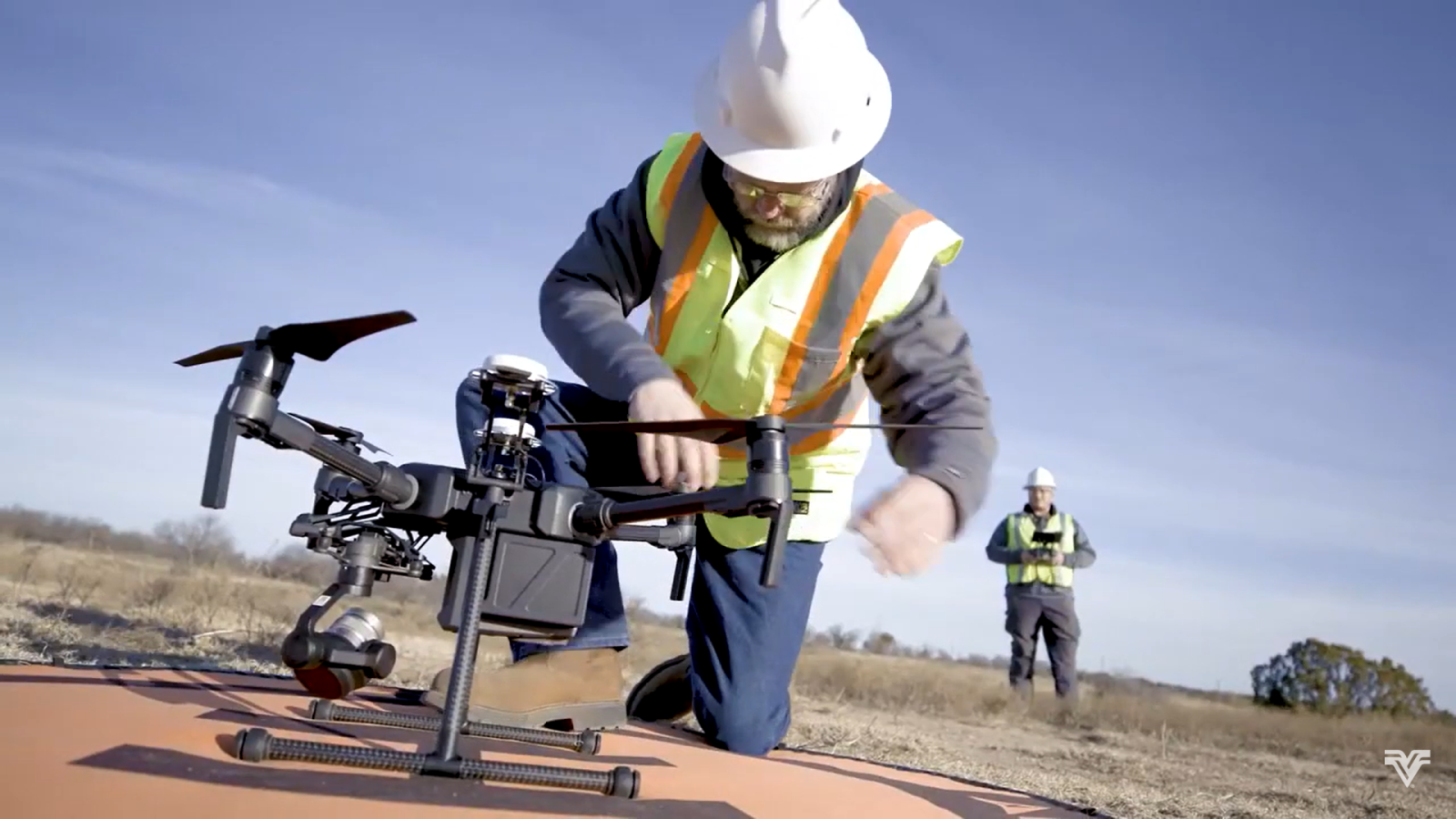
With drones making powerline inspections safer, more efficient, and cost-effective, the Federal Aviation Administration (FAA) has issued a new Part 107 Beyond Visual Line of Sight (BVLOS) waiver that would allow Valmont Industries to fly its drones across the United States at a moment’s notice.

Expand Expanding Close

This drone parachute recovery system helped Matternet M2 to secure FAA design safety nod

drone parachute recovery

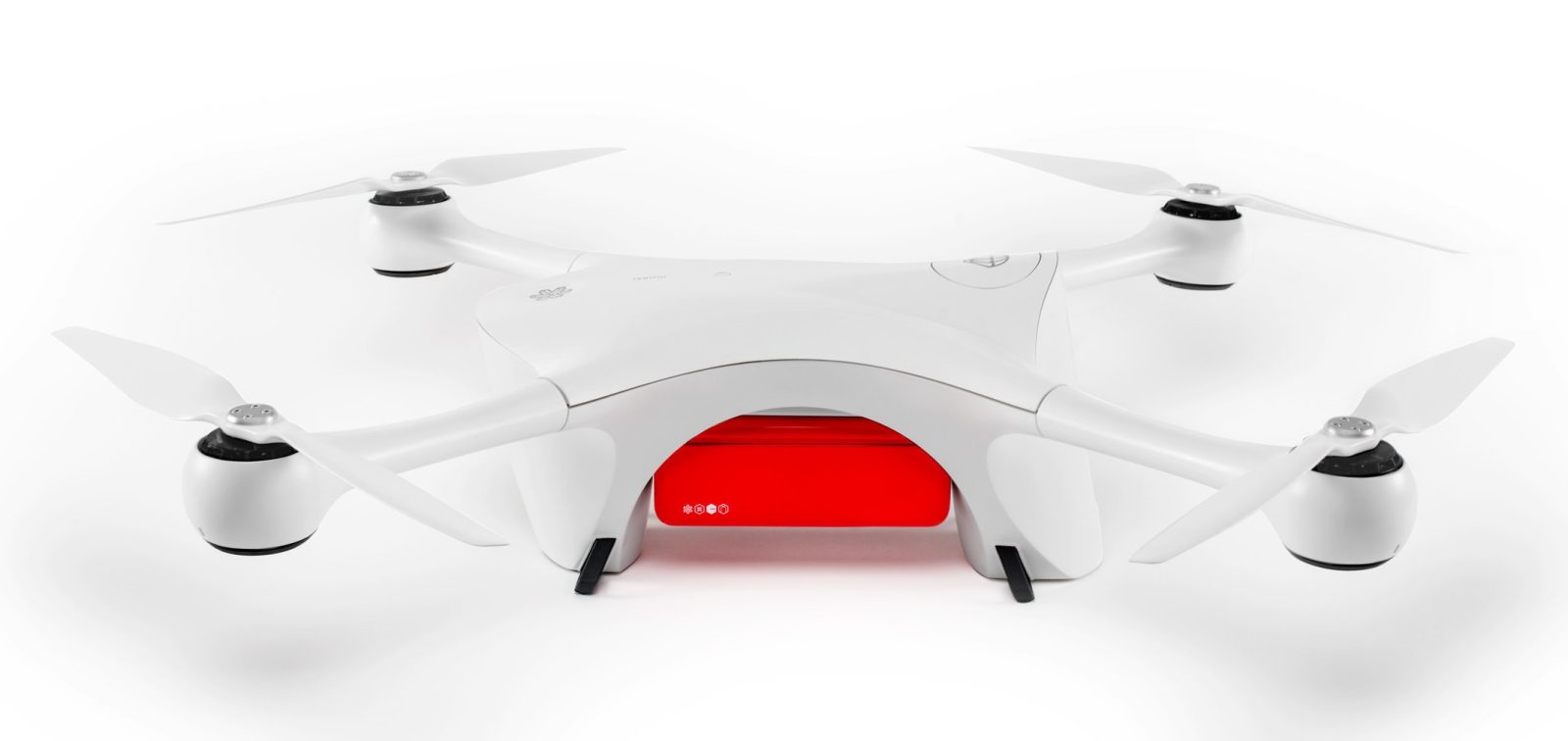
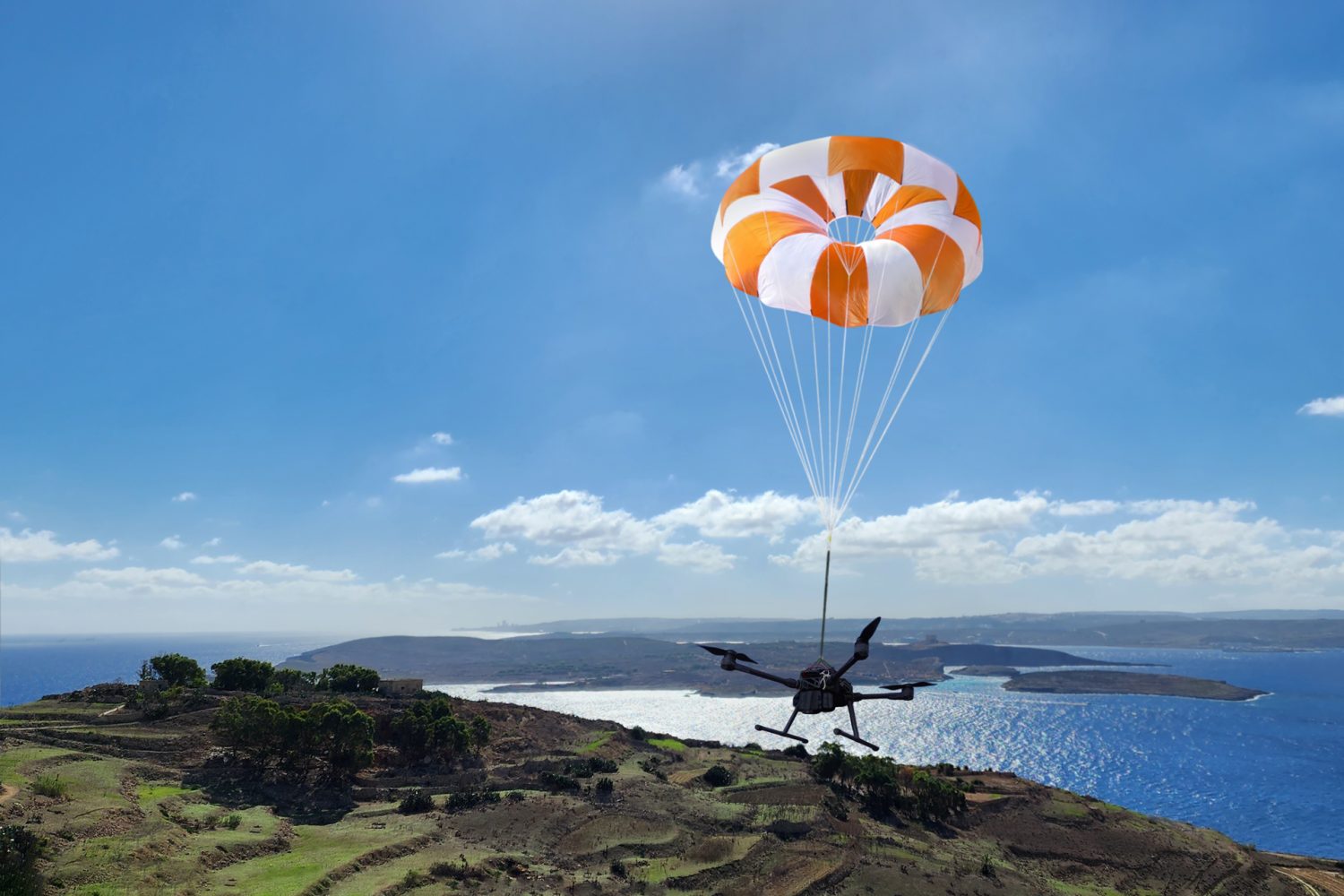
Matternet’s M2 recently became the first drone built specifically for package deliveries to achieve Type Certification by the Federal Aviation Administration (FAA). Now we have more details about the safety components as well as the parachute recovery system the M2 used to comply with the airworthiness criteria established by the FAA.

Expand Expanding Close

FAA waiver allows precision agriculture drones to fly BVLOS over Florida ranch

faa waiver bvlos agriculture drone

The Federal Aviation Administration (FAA) has granted a Part 107 waiver allowing drones to fly beyond visual line of sight (BLVOS) over a large ranch in Florida. The purpose of these drones is to collect precision agriculture data that would ultimately help farmers to develop more sustainable practices.

Expand Expanding Close

FAA issues Joby eVTOL air taxi-airworthiness criteria

Joby eVTOL taxi FAA

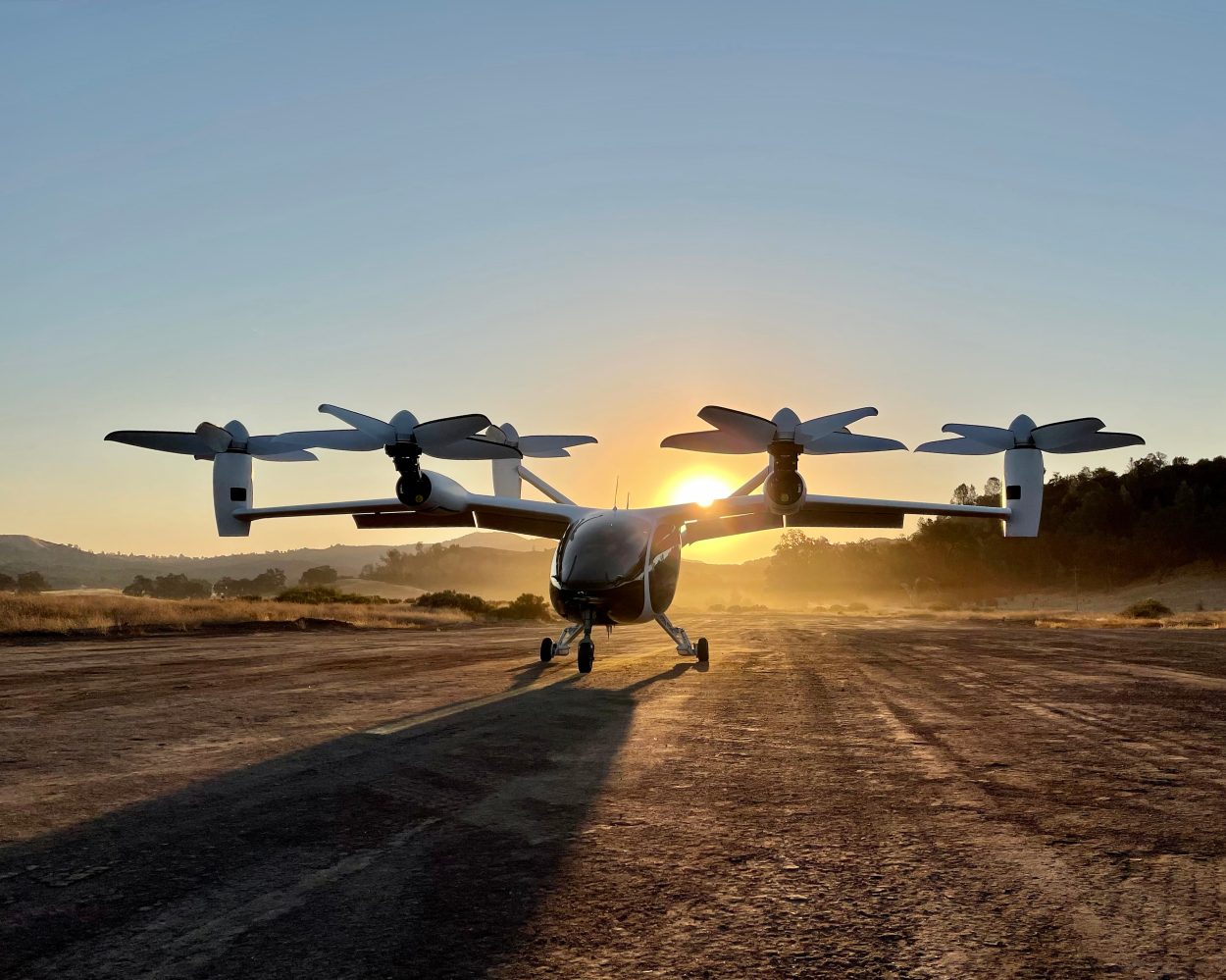
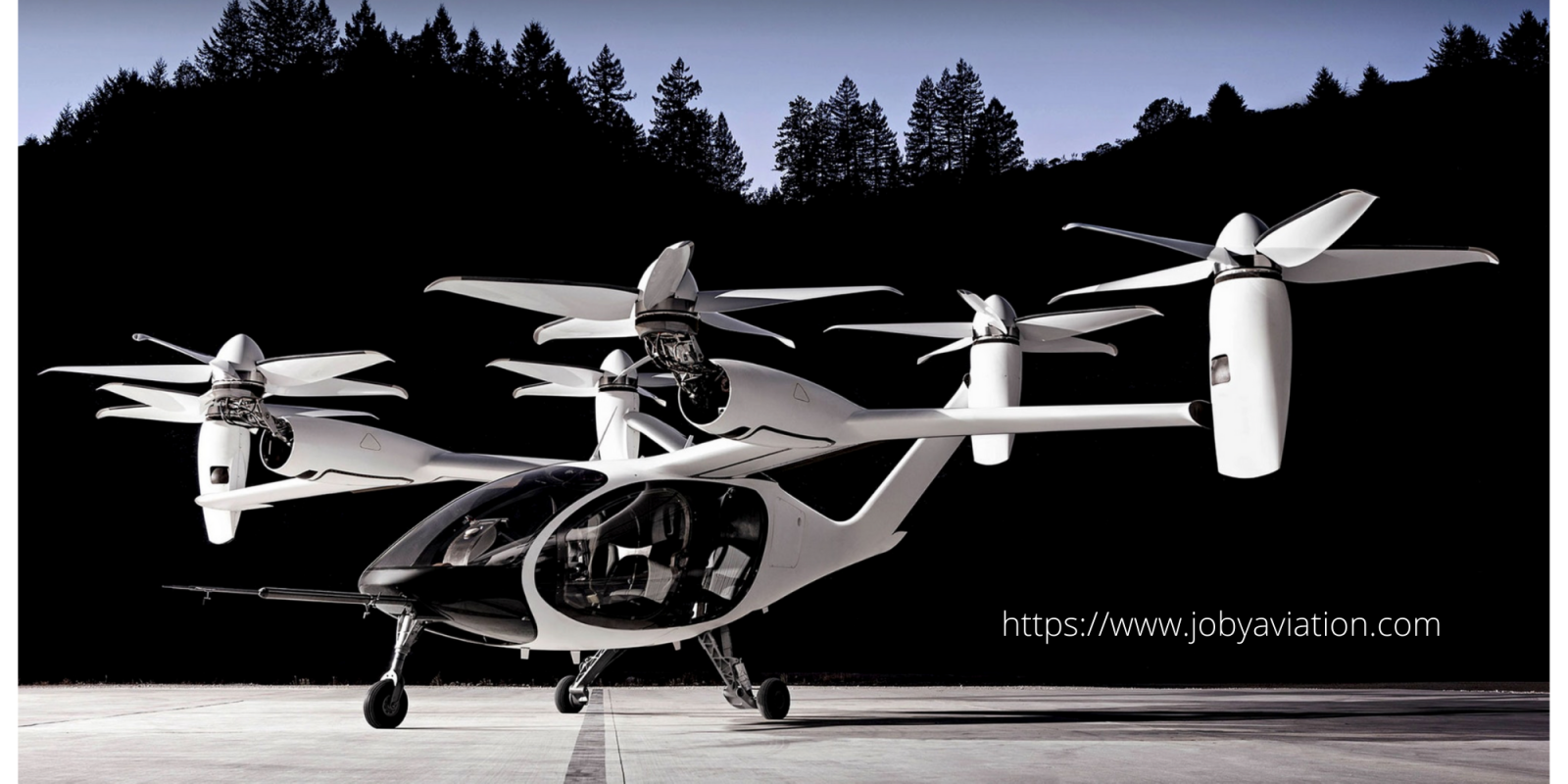
Less than a week after it announced the postponement of its planned 2024 launch of air taxi services due in part to expected delays in Federal Aviation Administration (FAA) guidelines on craft certification, Joby has received the regulator’s proposed airworthiness criteria for its electric takeoff and landing planes (eVTOL).

Expand Expanding Close

Joby pushes eVTOL air taxi launch date back to 2025

Joby eVTOL taxi

Joby, a leading developer of electric vertical takeoff and landing (eVTOL) aircraft for air taxis and other services, has said it is pushing plans to launch commercial transportation services back a year to 2025, citing internal considerations and shifts in Federal Aviation Administration (FAA) certification criteria.

Expand Expanding Close

FAA OKs BVLOS drone flights across entire NUAIR UAV corridor

NUAIR drone BVLOS FAA

The Northeast UAS Airspace Integration Research Alliance (NUAIR) received approval from the Federal Aviation Administration (FAA) this week to operate beyond visual line of sight (BVLOS) drone flights across the entire expanse of its 50-mile corridor in central New York – a liberty that will considerably enhance its efforts to develop a safe and reliable UAV U-space.

Expand Expanding Close

Soaring Eagle gets FAA drone BVLOS waiver for unlimited distance inspections

Soaring Eagle BVLOS drone

Drone data collection, surveying, and infrastructure inspection company Soaring Eagle Technologies has added another Federal Aviation Administration (FAA) beyond visual line of sight (BVLOS) waiver to its collection – this one permitting virtually unlimited geographic range of mission operation.

Expand Expanding Close

AUVSI slams US states mulling the creation of drone toll lanes

drone delivery toll lane auvsi faa mississippi law

AUVSI, the world’s largest nonprofit organization dedicated to the advancement of uncrewed systems, autonomy, and robotics, says it’s willing to take the fight to state legislative sessions to stop all proposals that infringe on the FAA’s authority of the airspace, promote the creation of drone toll lanes, and seek to impose undue taxes on drone operations.

Expand Expanding Close