Federal Aviation Administration (FAA)
See All Stories
FAA drone B4UFLY laanc new administrator Bryan Bedford mosaic bvlos notam

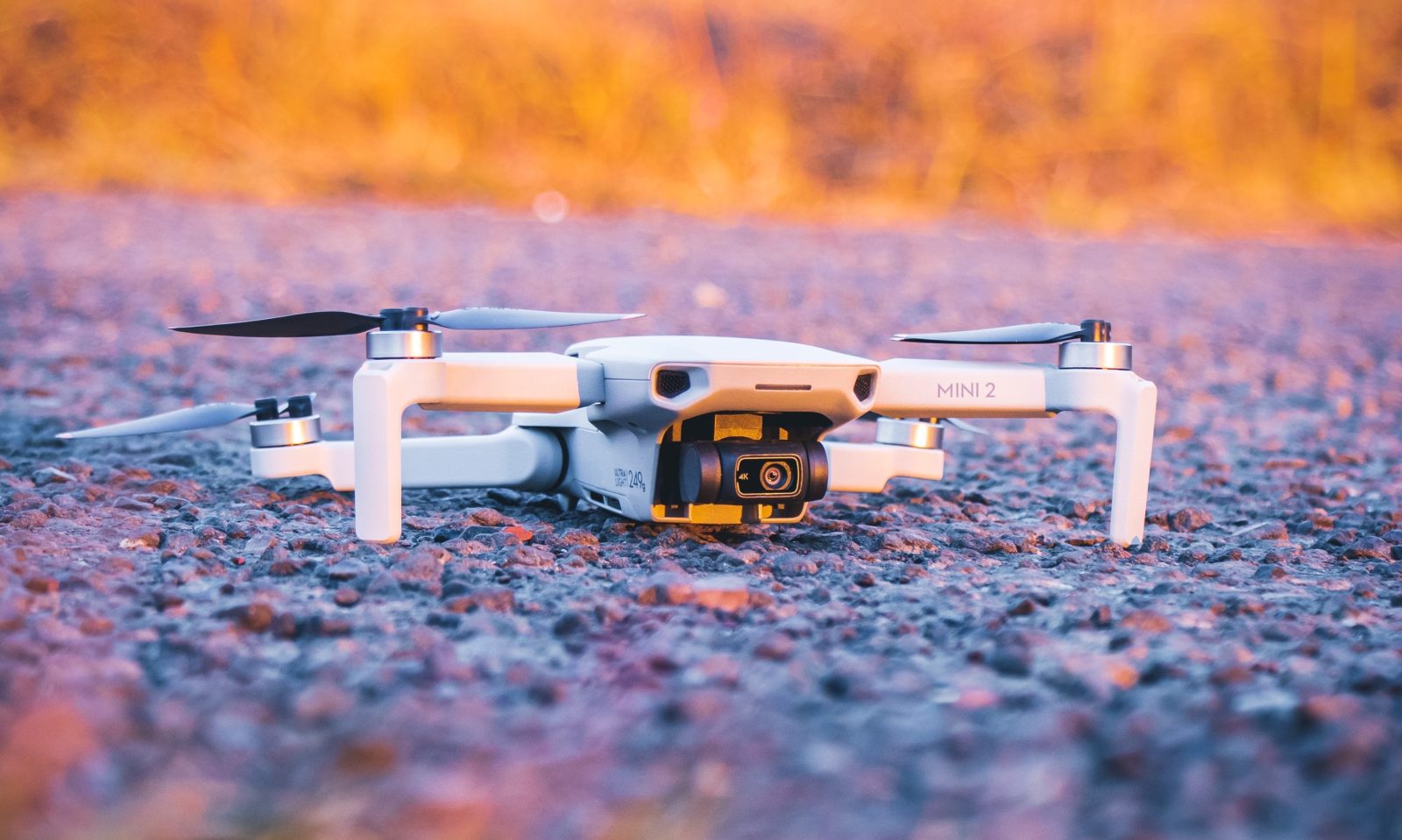
If you fly drones in the United States, there’s one acronym you need to know: FAA. It stands for the Federal Aviation Administration, and it’s the government agency that sets the rules for everything that flies in US airspace — including your drone.

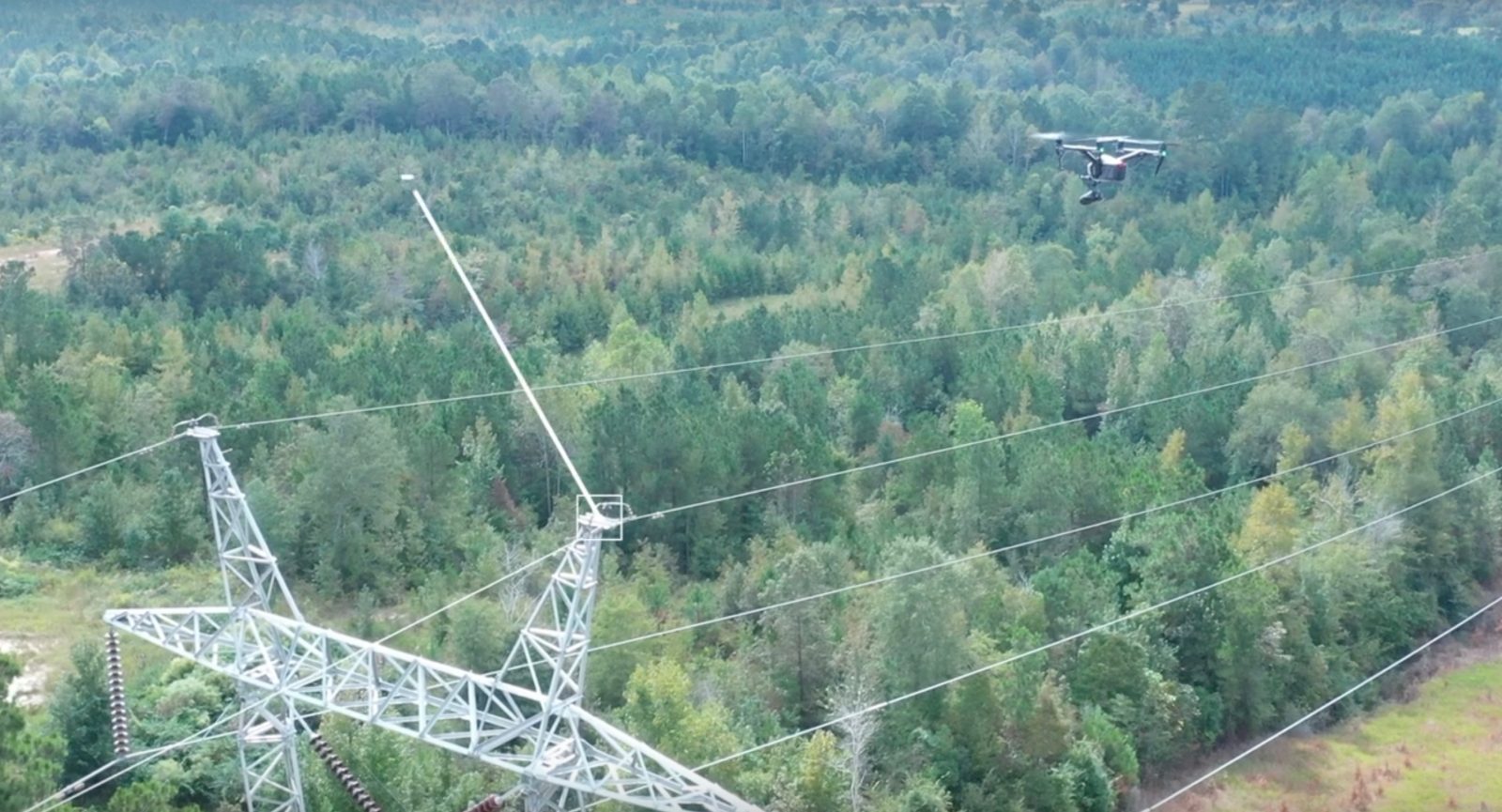
The FAA is the go-to authority for commercial and recreational drone operations. Whether you’re a hobbyist flying in your backyard or a Part 107-certified drone pilot inspecting power lines, you’re operating under the FAA’s umbrella.

Broadly, the FAA is part of the US Department of Transportation and was created in 1958 to regulate all aspects of civil aviation. Its mission is to ensure the safety of the skies. Traditionally, that meant overseeing airports, air traffic control, and aircraft certification. But with the rapid growth of drones, the FAA’s responsibilities have expanded.

Today, the FAA sets safety standards and airspace rules for unmanned aircraft systems (UAS) — the formal term for drones.

The FAA plays a central role in how, where, and when you can fly your drone. Here’s how:

1. Registration: If your drone weighs more than 0.55 pounds (250 grams), it must be registered with the FAA. Hobbyists register once and apply the number to all their drones. Commercial pilots, on the other hand, must register each drone individually.

2. Remote ID: As of 2023, most drones flown in the US must comply with Remote ID rules. Remote ID is like a digital license plate, allowing authorities to identify and track drones in the air. The FAA introduced this rule to enhance airspace awareness and safety.

3. Part 107 Certification: If you plan to fly your drone for business — whether that’s real estate photography, inspections, or anything else that earns money — you need a Part 107 Remote Pilot Certificate. To get certified, you must pass an FAA knowledge test and follow specific rules for commercial operations, like flying below 400 feet and staying within visual line of sight.

4. Airspace Authorizations: The FAA controls US airspace, so if you want to fly near airports or in controlled airspace, you need authorization, even for recreational flights. Luckily, tools like LAANC (Low Altitude Authorization and Notification Capability) make it easier to get near-instant approvals for many areas.

5. Safety and Enforcement: The FAA investigates drone accidents and enforces rules. Flying recklessly, near emergency operations, or over crowds can result in warnings, fines, or even criminal charges.

As drone technology advances, the FAA is evolving too. It’s currently exploring rules for beyond visual line of sight (BVLOS) flights, drone delivery, and UAS traffic management (UTM) systems. These developments could unlock huge potential — but they’ll come with new regulations.

For drone pilots, staying informed about FAA rules isn’t optional — it’s essential. Whether you’re shooting aerial video or flying for fun, the FAA is the agency that keeps the skies safe — and determines what’s possible for drone operations in the US.

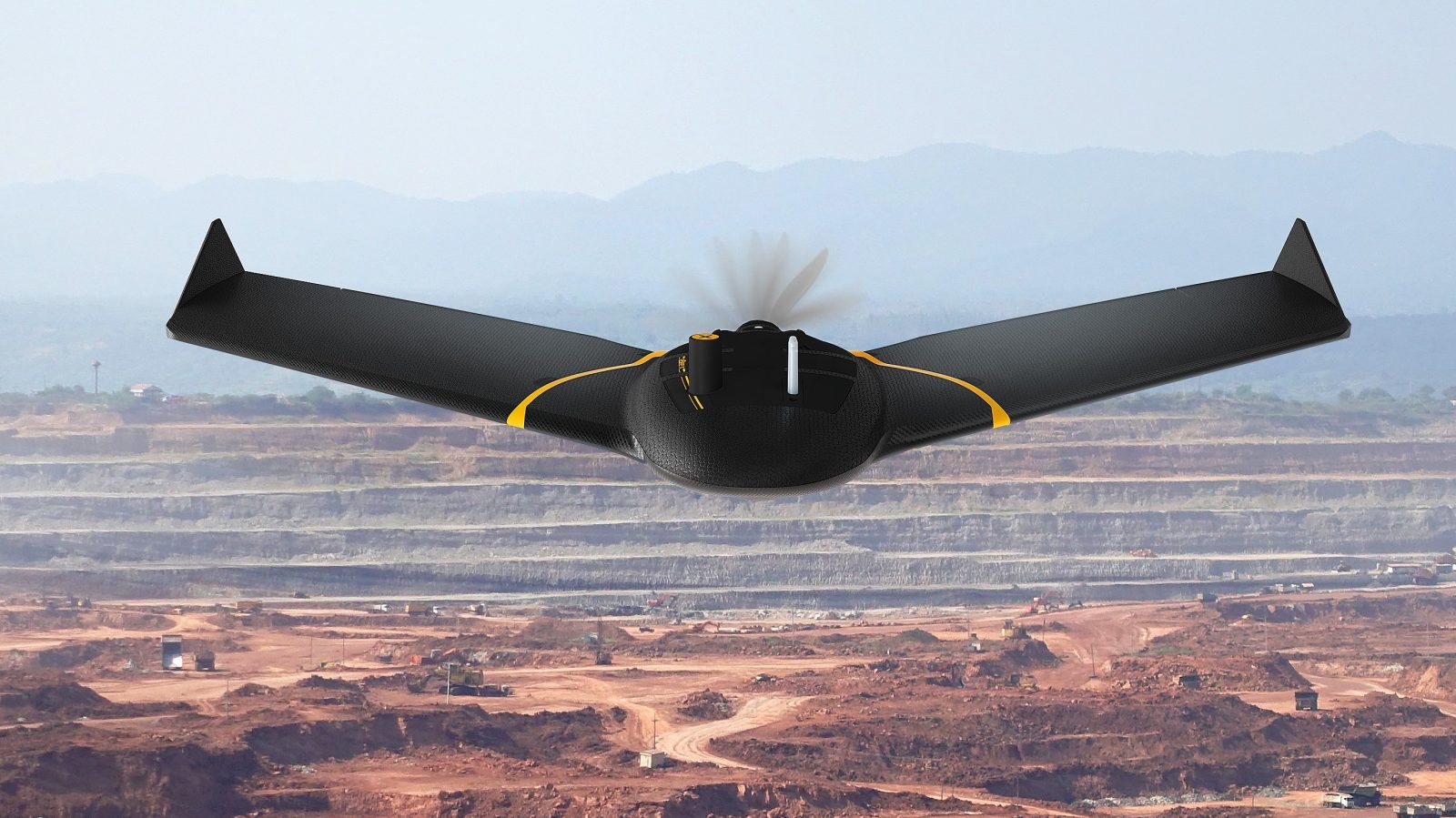
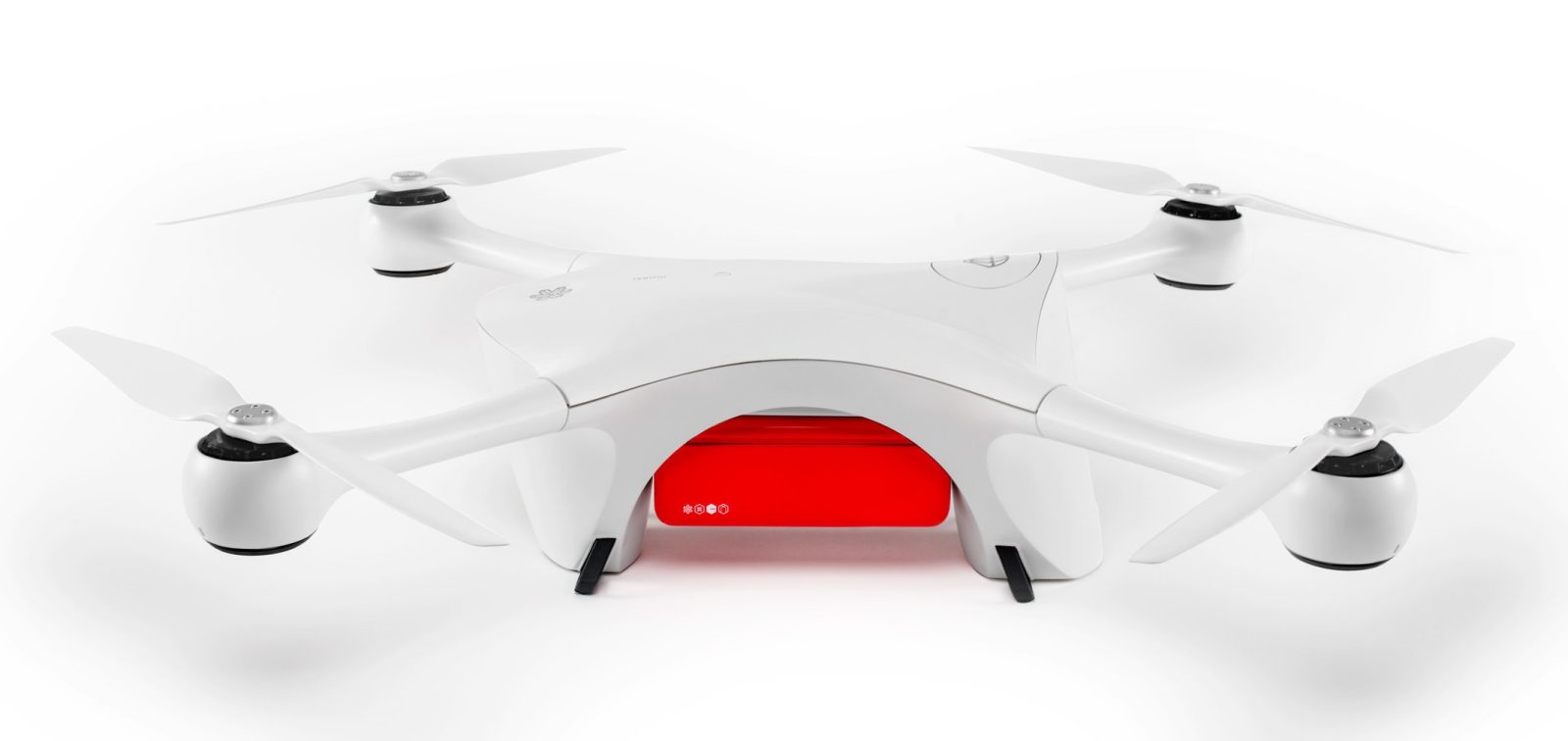
Matternet M2 first delivery drone to receive FAA design safety approval

Matternet M2 delivery drone faa certified

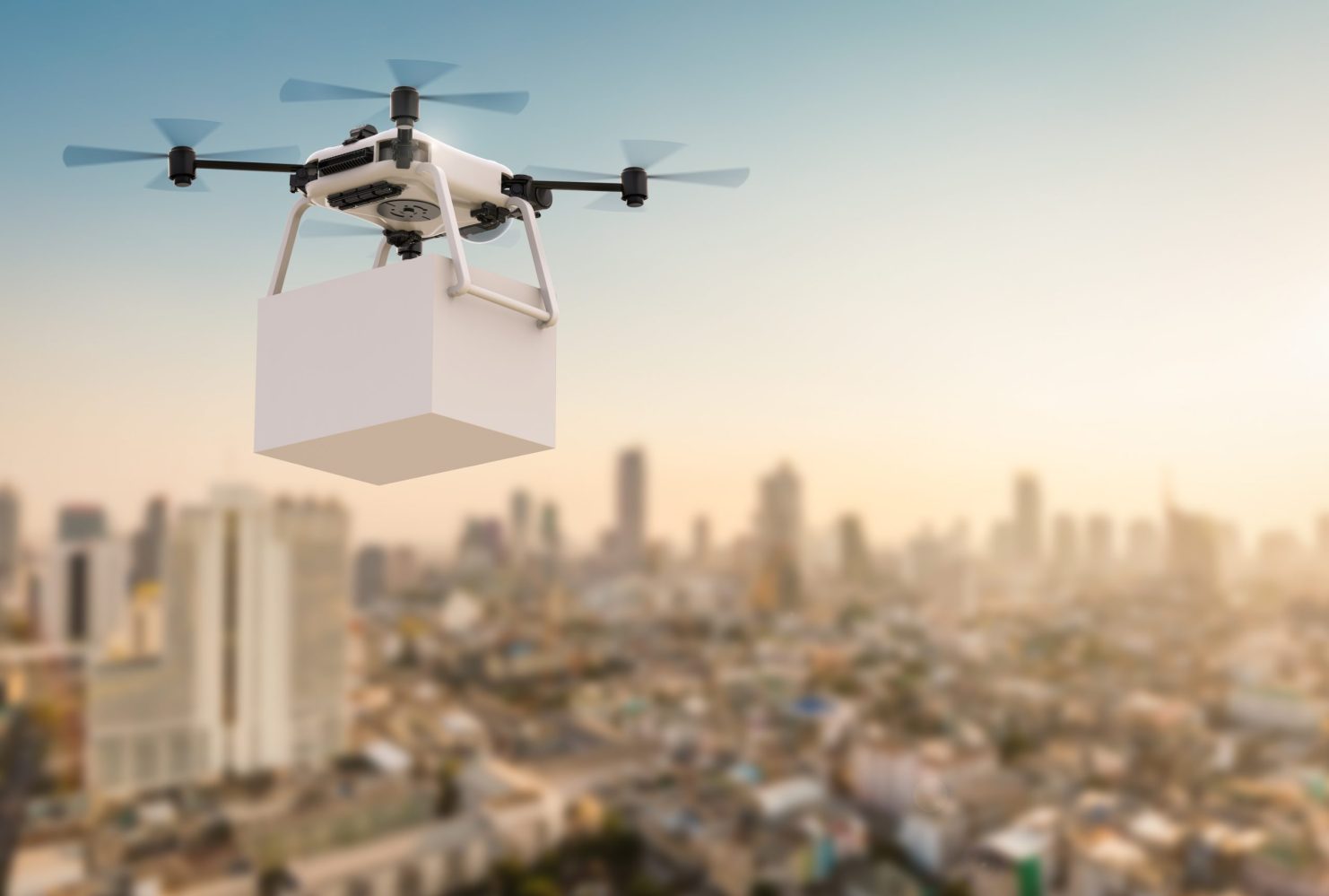
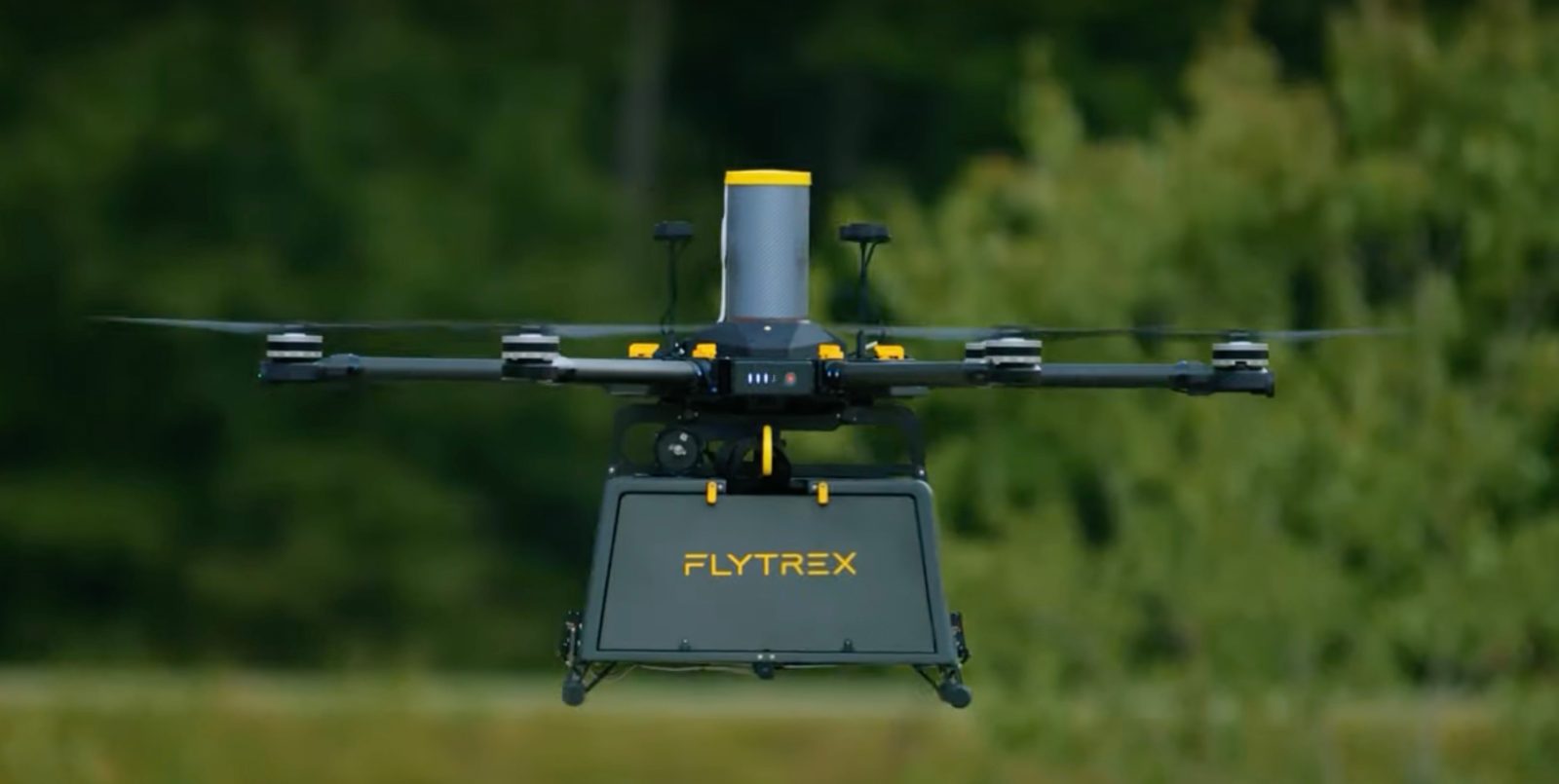
The M2 drone delivery system by Matternet has achieved type certification by the Federal Aviation Administration (FAA). This is a major step forward for the US drone delivery ecosystem because it’s the first time the FAA has approved the design of a drone built specifically for package deliveries.

Expand Expanding Close

Lawsuit challenging outdated NYC drone laws set to move forward

New York City drone committee public safety garbage ticket

A US district judge has ruled that Brooklyn-based media production company Xizmo can proceed with its lawsuit challenging New York City’s local “Avigation Law,” which effectively bans the use of drones in the city. Interestingly, this avigation rule was originally adopted into New York City’s Administrative Code in 1948, way before small civilian drones even existed.

Expand Expanding Close

AR drones get FAA nod to operate autonomously up to 10 miles

ar scout autonomous drones bvlos

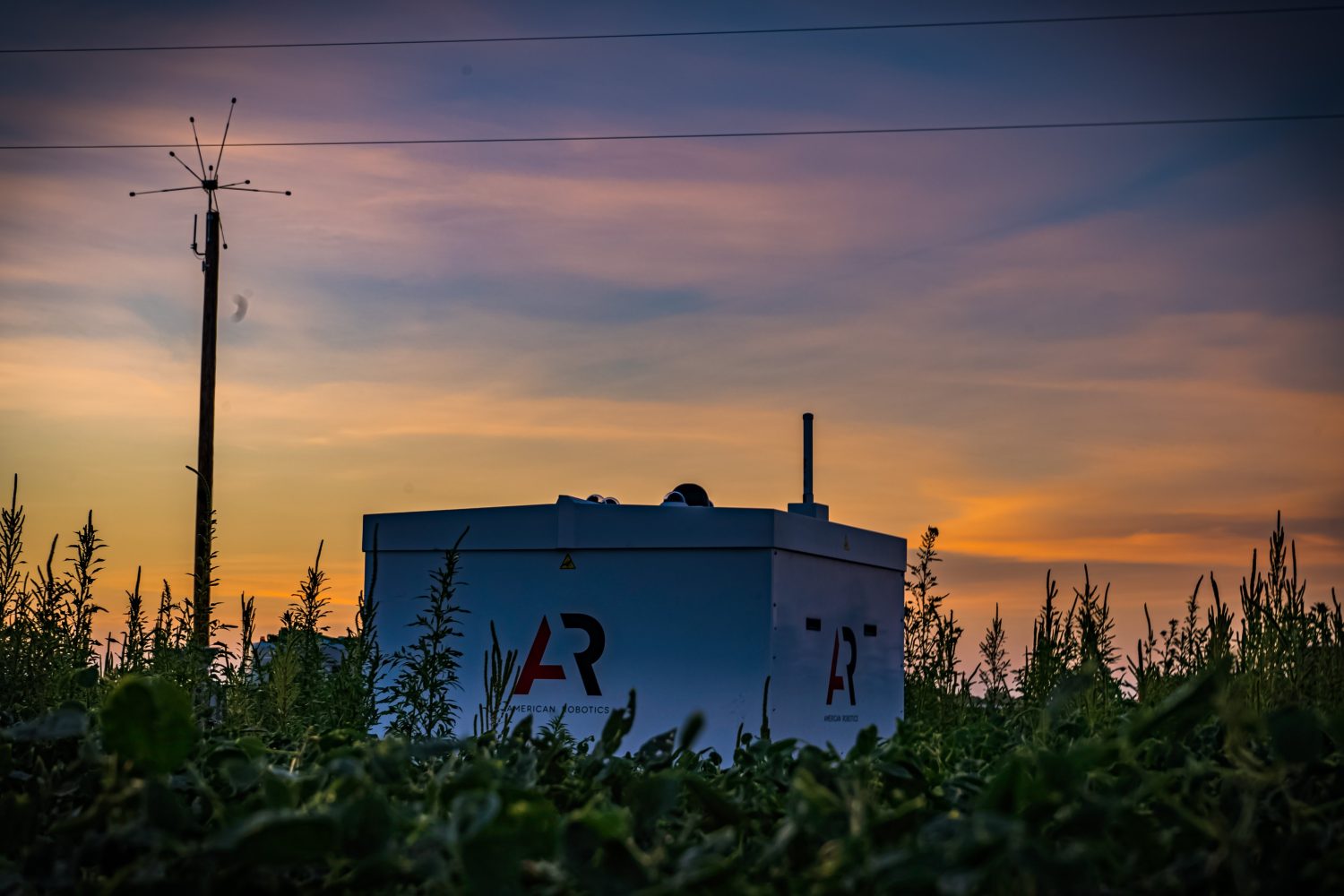
American Robotics (AR) says it has received a Part 107 waiver from the FAA for expanded automated beyond visual line of sight (BVLOS) operations. The company’s Scout drones can now operate autonomously at ranges of up to 10 miles, allowing for more efficient inspections over large industrial sites and linear assets such as pipelines, railways, and electrical transmission lines.

Expand Expanding Close

FAA’s Remote ID rule for drones is constitutional, DC court rules

litchi dji air 2s drone faa remote id app update

A US Appeals Court on Friday affirmed the Remote ID rules for drones set by the FAA. Denying a petition by a drone user who said Remote ID would invite “warrantless governmental surveillance in violation of the Fourth Amendment,” a three-judge panel in Washington, DC, ruled that requiring a drone to show its location and that of its operator while the aircraft is airborne “violates no reasonable expectation of privacy.”

Expand Expanding Close

Swoop Aero working with US, Aussie regulators on joint drone certification

Swoop Aero World Economic Forum

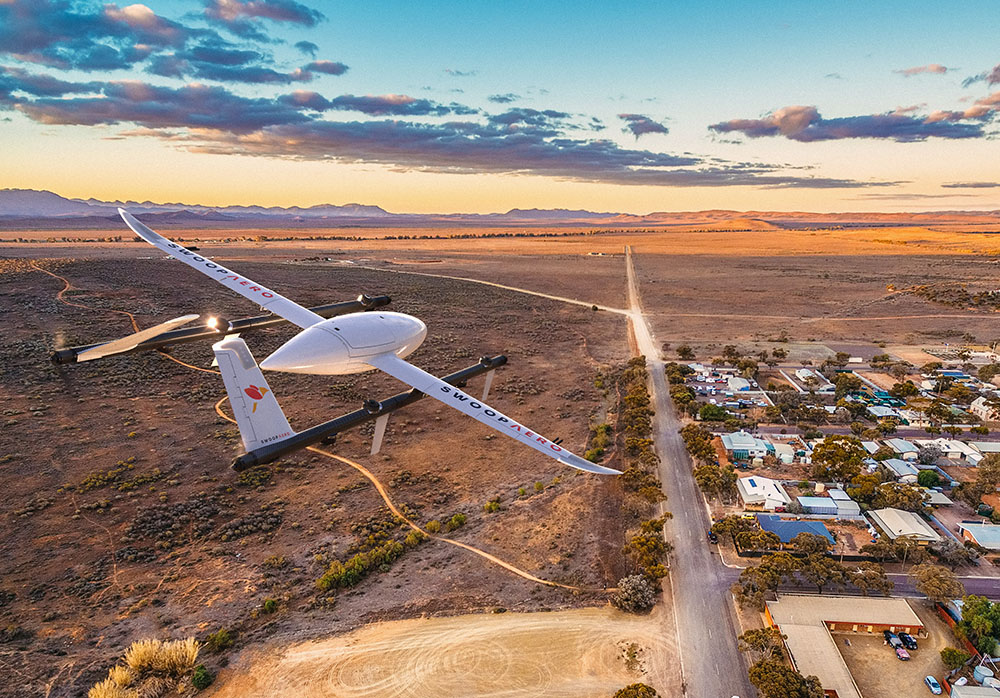
Australian aerial logistics and drone delivery company Swoop Aero is working with its national Civil Aviation Safety Authority (CASA) and the US Federal Aviation Administration (FAA) in a project aiming to harmonize and streamline the remotely piloted aircraft (RPAS) certification process of both countries.

Expand Expanding Close

New ranking advises action by states to enhance drone activity readiness

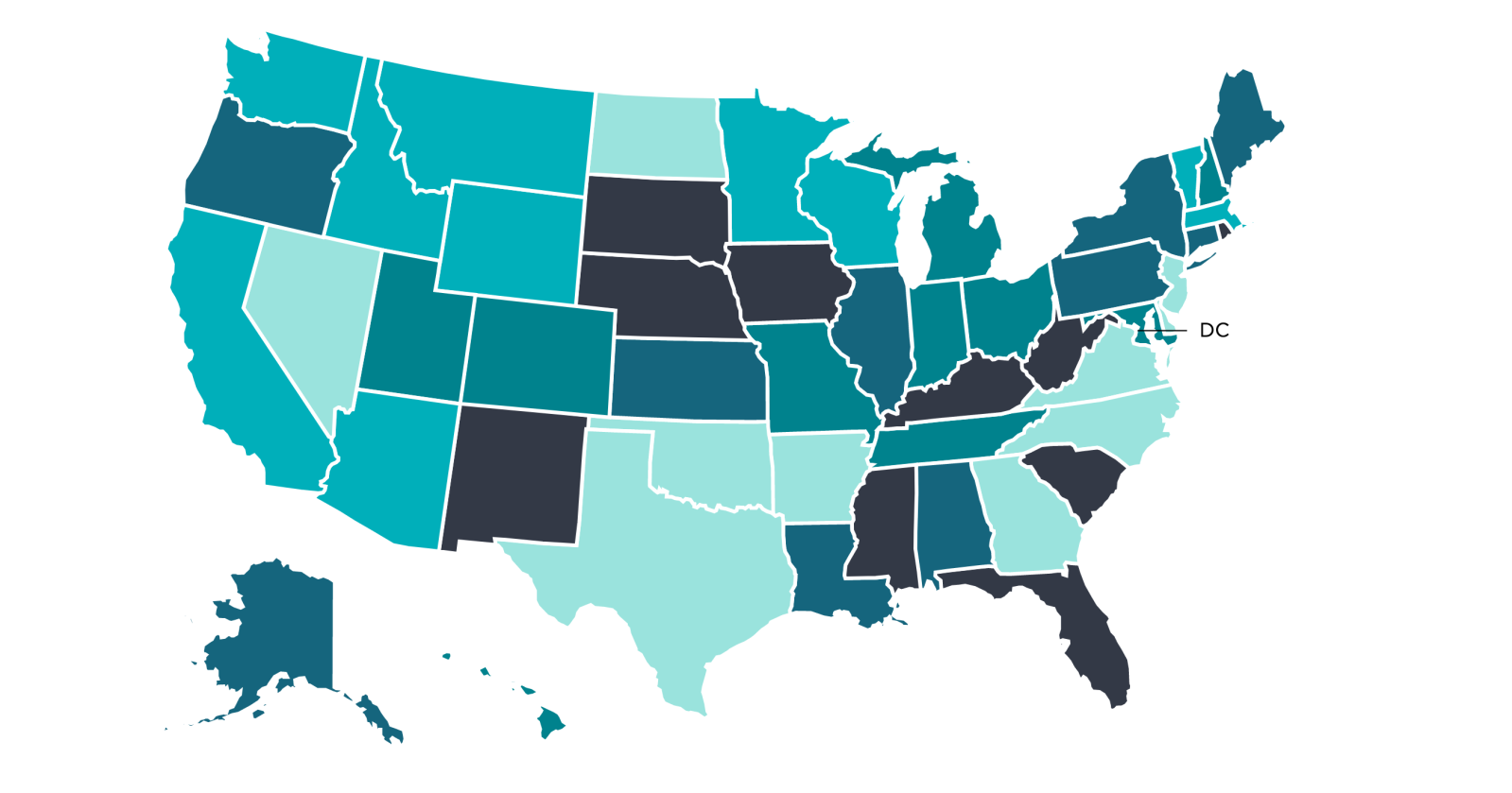
Updated analysis from researchers at George Mason University’s Mercatus Center is offering officials across the US an idea of how well or poorly their states rank in terms of preparing for increased enterprise and public service drone use and provides them ways to improve their readiness as activity nears expected expansion.

Expand Expanding Close

How the FAA made drone shows possible on ‘America’s Got Talent: Extreme’

drone light show july 4 drone fireworks faa verge aero

A bevy of drones dancing to a Coldplay song, A Sky Full of Stars, was one of the most memorable parts of America’s Got Talent: Extreme season premiere earlier this year. That standout performance earned Philadelphia drone show company Verge Aero the “Golden Ticket” from judge Simon Cowell, which catapulted the group straight to the finale. Now, the FAA is revealing how federal aviation inspectors worked behind the scenes to make Verge Aero’s drone shows a reality.

Expand Expanding Close

Aloft records 500K drone flight approvals through LAANC

LAANC drone night authorization

Aloft, the company that powers more than two-thirds of all LAANC authorizations in the US, has announced a major milestone. The UTM technology specialist says it has given approvals to more than half a million drone flights since it was first authorized by the FAA to do so for controlled airspace at or below 400 feet.

Expand Expanding Close

Brexit schmexit: UK’s CAA to use Europe’s eVTOL certification standards

CAA eVTOL

One potential disruption from the UK’s Brexit from the European Union was definitively averted this week with the nation’s Civil Aviation Authority (CAA) announcement that it will adopt the European Aviation Safety Agency’s standards for certifying next generation electric takeoff and landing (eVTOL) aircraft.

Expand Expanding Close

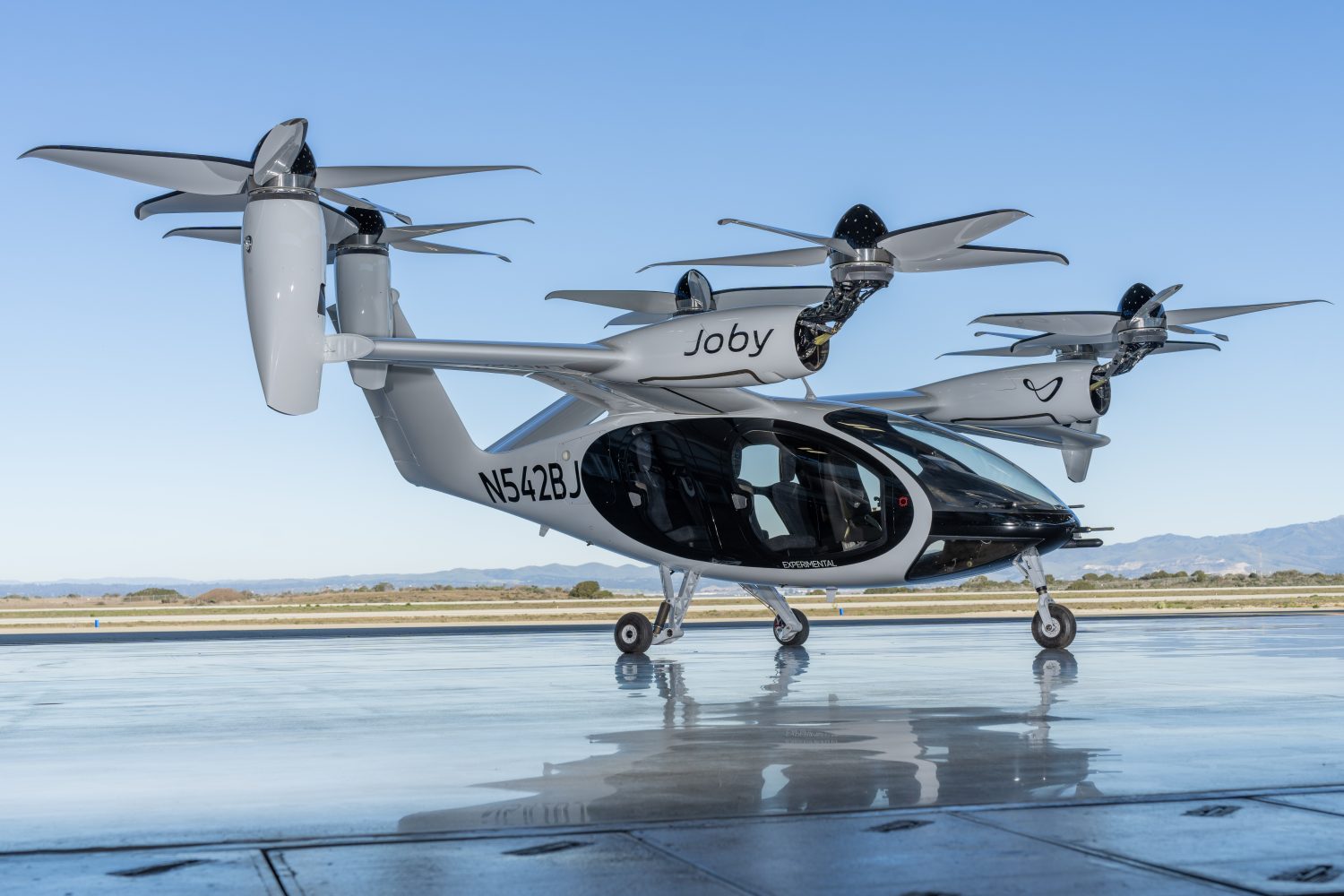
Joby receives FAA Part 135 Air Carrier Certificate ahead of eVTOL air taxi launch schedule

Joby eVTOL air taxis

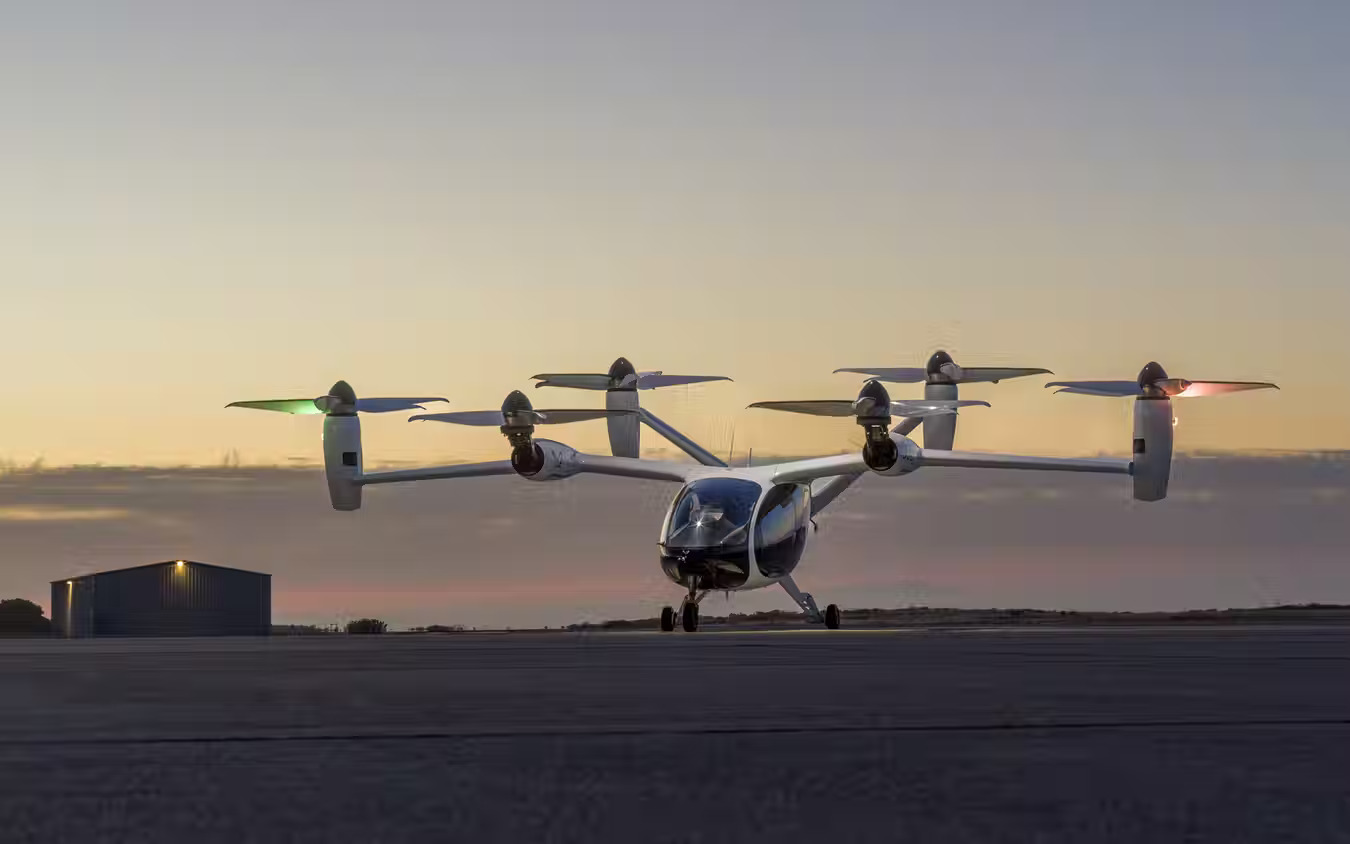
Developer of electric takeoff and landing (eVTOL) air taxis Joby Aviation says it has obtained its Federal Aviation Administration (FAA) Part 135 Air Carrier Certificate nearly a half year ahead of schedule. The company will now use the permit to operate traditional aircraft to prepare the launch of services with next-generation vehicles in 2024.

Expand Expanding Close

FAA changes to eVTOL certification spook air taxi developers

FAA eVTOL certification

News that the Federal Aviation Administration (FAA) has changed its thinking on how it will certify electric takeoff and landing (eVTOL) aircraft for air taxi use has rattled developers of those vehicles – many prototypes of which are already well along in the approval process. In response to the jittery nerves that may have created, the regulator is assuring companies the alterations it has made won’t send any projects off the certification rails.

Expand Expanding Close

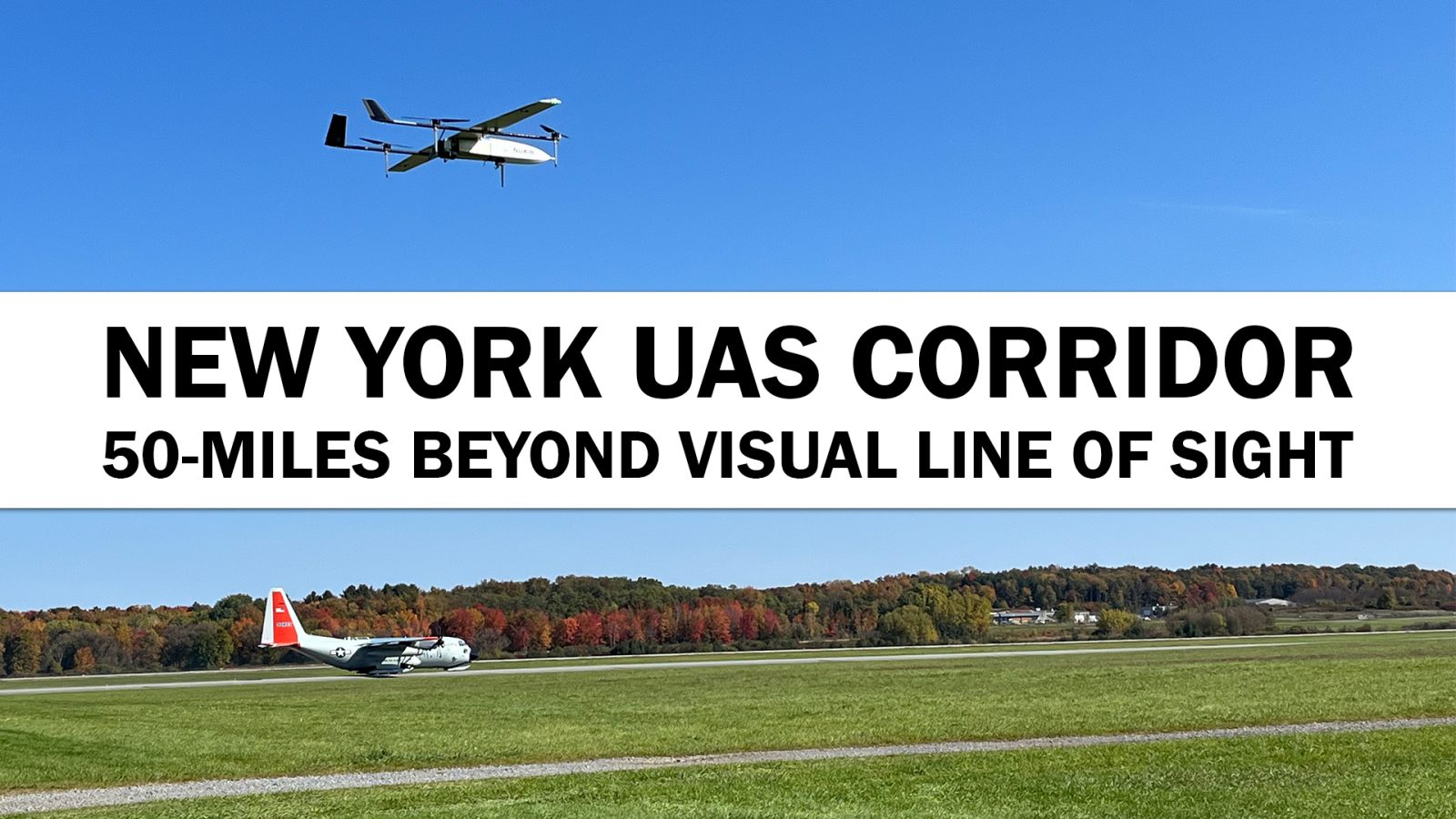
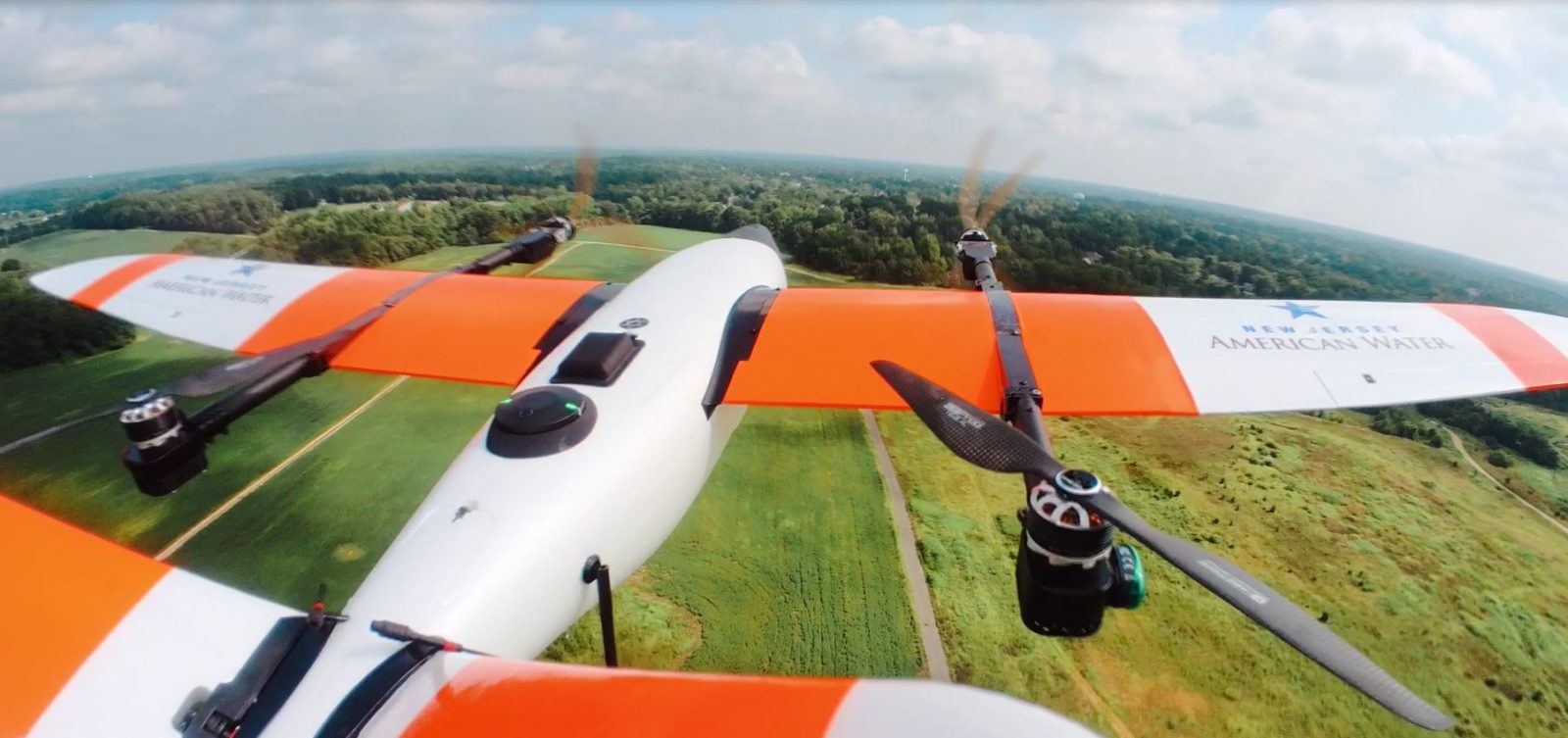
FAA grants American Robotics BVLOS authorization at seven new sites

Border Surveillance drone

American Robotics, a leading provider of fully automated drone services to enterprise customers, has obtained authorizations to operate beyond visual line of sight (BVLOS) flights at seven work sites across the US, bringing the company’s total to 10.

Expand Expanding Close

FAA grants $4.4 million to seven universities for drone safety research

faa drone research grant

The Federal Aviation Administration (FAA) has invested another $4.4 million in drone research through its Alliance for System Safety of UAS through Research Excellence (ASSURE) program. The grants – focusing on the areas of electromagnetic compatibility, UAS detect and avoid classifications, and cybersecurity oversight – have been awarded to seven US universities.

Expand Expanding Close