Federal Aviation Administration (FAA)
See All Stories
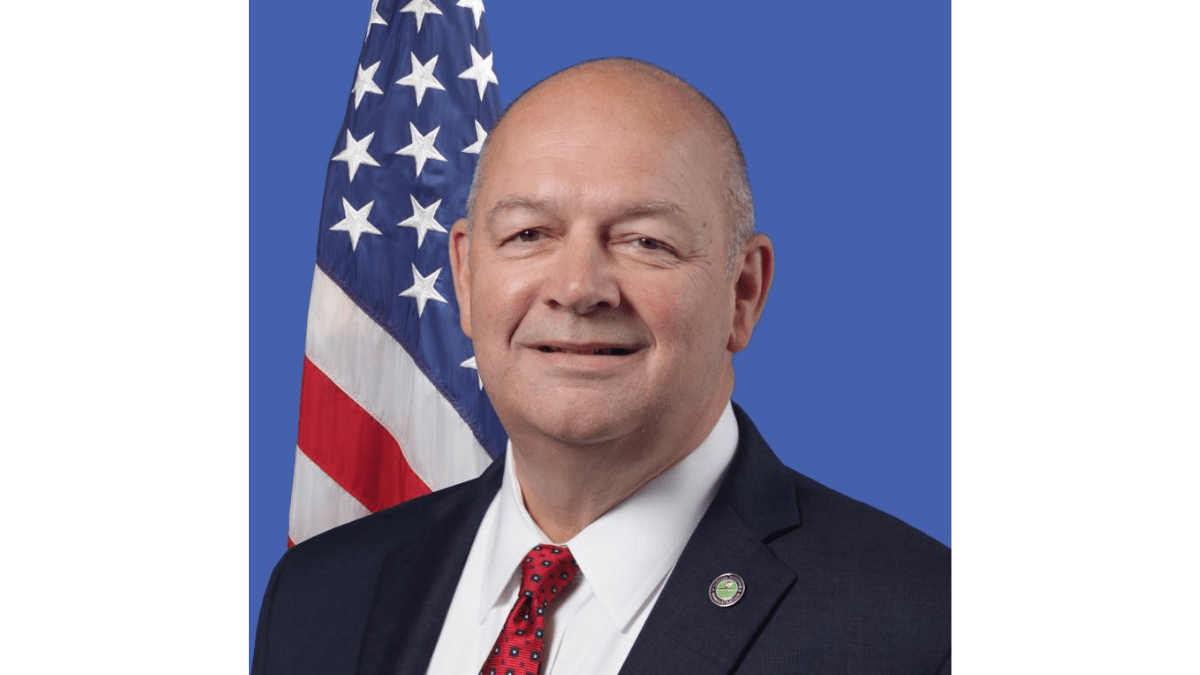
FAA drone B4UFLY laanc new administrator Bryan Bedford mosaic bvlos notam

If you fly drones in the United States, there’s one acronym you need to know: FAA. It stands for the Federal Aviation Administration, and it’s the government agency that sets the rules for everything that flies in US airspace — including your drone.

The FAA is the go-to authority for commercial and recreational drone operations. Whether you’re a hobbyist flying in your backyard or a Part 107-certified drone pilot inspecting power lines, you’re operating under the FAA’s umbrella.

Broadly, the FAA is part of the US Department of Transportation and was created in 1958 to regulate all aspects of civil aviation. Its mission is to ensure the safety of the skies. Traditionally, that meant overseeing airports, air traffic control, and aircraft certification. But with the rapid growth of drones, the FAA’s responsibilities have expanded.

Today, the FAA sets safety standards and airspace rules for unmanned aircraft systems (UAS) — the formal term for drones.

The FAA plays a central role in how, where, and when you can fly your drone. Here’s how:

1. Registration: If your drone weighs more than 0.55 pounds (250 grams), it must be registered with the FAA. Hobbyists register once and apply the number to all their drones. Commercial pilots, on the other hand, must register each drone individually.

2. Remote ID: As of 2023, most drones flown in the US must comply with Remote ID rules. Remote ID is like a digital license plate, allowing authorities to identify and track drones in the air. The FAA introduced this rule to enhance airspace awareness and safety.

3. Part 107 Certification: If you plan to fly your drone for business — whether that’s real estate photography, inspections, or anything else that earns money — you need a Part 107 Remote Pilot Certificate. To get certified, you must pass an FAA knowledge test and follow specific rules for commercial operations, like flying below 400 feet and staying within visual line of sight.

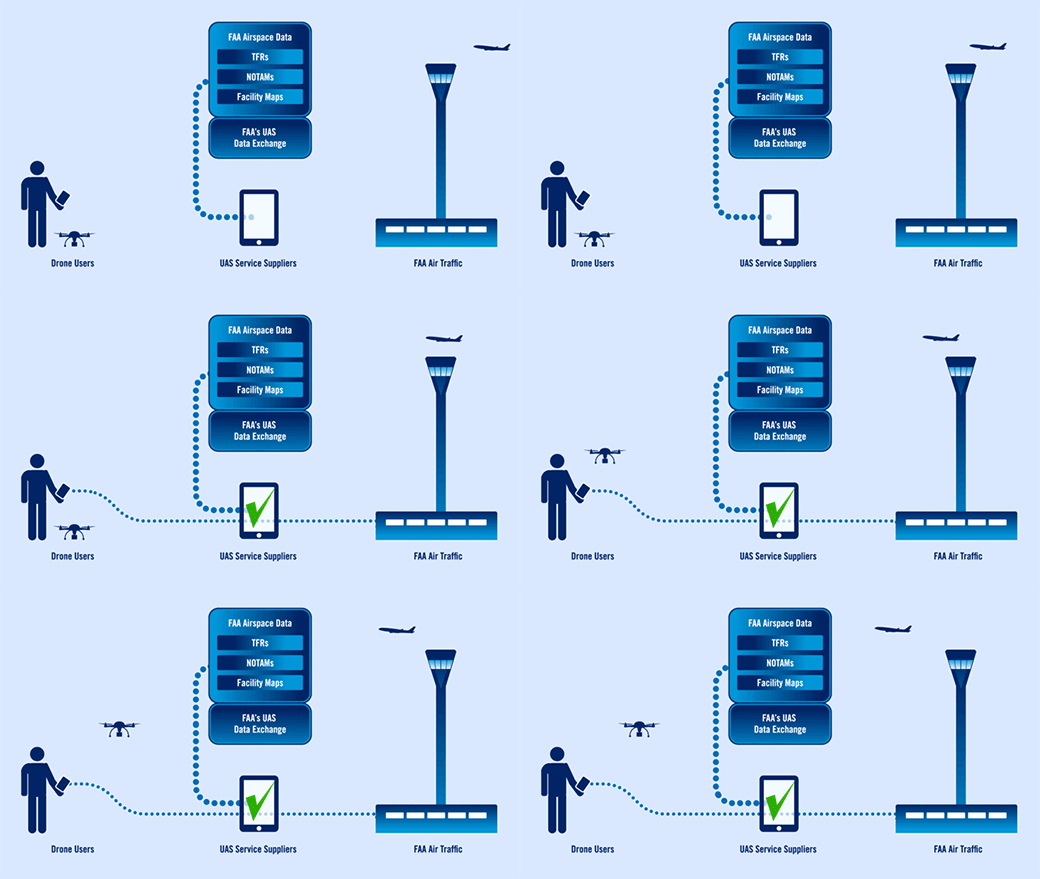
4. Airspace Authorizations: The FAA controls US airspace, so if you want to fly near airports or in controlled airspace, you need authorization, even for recreational flights. Luckily, tools like LAANC (Low Altitude Authorization and Notification Capability) make it easier to get near-instant approvals for many areas.

5. Safety and Enforcement: The FAA investigates drone accidents and enforces rules. Flying recklessly, near emergency operations, or over crowds can result in warnings, fines, or even criminal charges.

As drone technology advances, the FAA is evolving too. It’s currently exploring rules for beyond visual line of sight (BVLOS) flights, drone delivery, and UAS traffic management (UTM) systems. These developments could unlock huge potential — but they’ll come with new regulations.

For drone pilots, staying informed about FAA rules isn’t optional — it’s essential. Whether you’re shooting aerial video or flying for fun, the FAA is the agency that keeps the skies safe — and determines what’s possible for drone operations in the US.

Verizon selects Oregon site for its drone and robotics test facility

Verizon Robotics drone

Verizon Robotics, the automation and machine development unit of the global communications giant, has said it will expand its testing and proof-of-concept capabilities by basing those activities at Oregon’s drone and aerial tech trial facility, Pendleton Unmanned Aerial Systems (UAS) Range.

Expand Expanding Close

FAA-CAA cooperation on AAM lifts companies like Joby active in both markets

FAA CAA AAM Joby

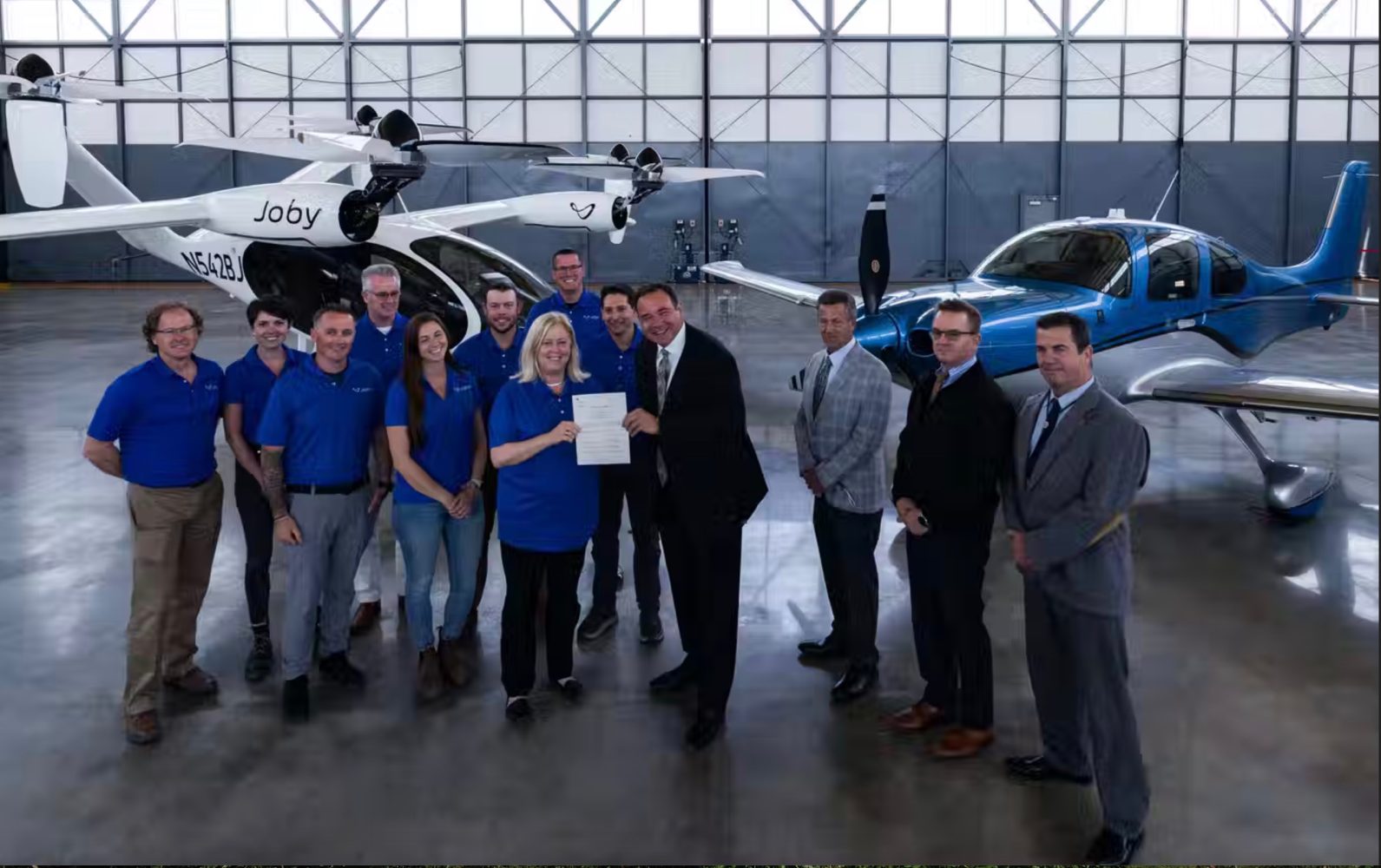
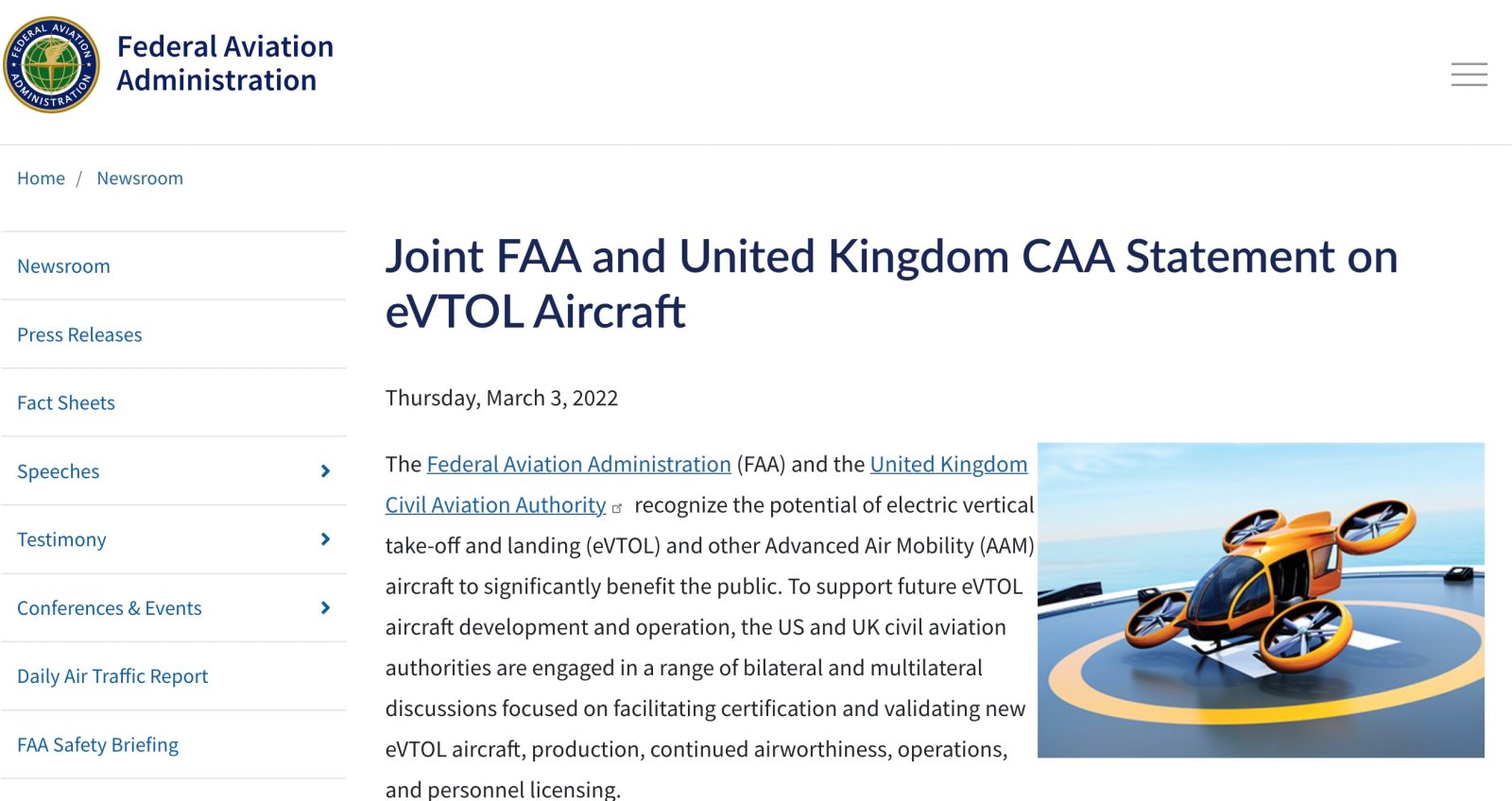
In a sign that the oft-celebrated (and of late mourned) special relationship between the US and UK is alive still, a rapprochement between the Federal Aviation Administration (FAA) and Civil Aviation Authority (CAA) on advanced air mobility (AAM) craft is stoking the ambitions of vehicle manufacturers like Joby already active in both nations.

Expand Expanding Close

FAA grants BVLOS drone waiver for a 12-mile distance, its longest ever

faa bvlos waiver

Drone solution providers Censys Technologies and Soaring Eagle Technologies have secured a fresh beyond visual line of sight (BVLOS) waiver from the Federal Aviation Administration (FAA). This waiver covers a 12-mile distance, which the companies stress is the longest distance ever approved by the FAA.

Expand Expanding Close

Flytrex CEO forecasts a bust-out 2022 for drone delivery activity – and his company amidst that

Flytrex drone delivery

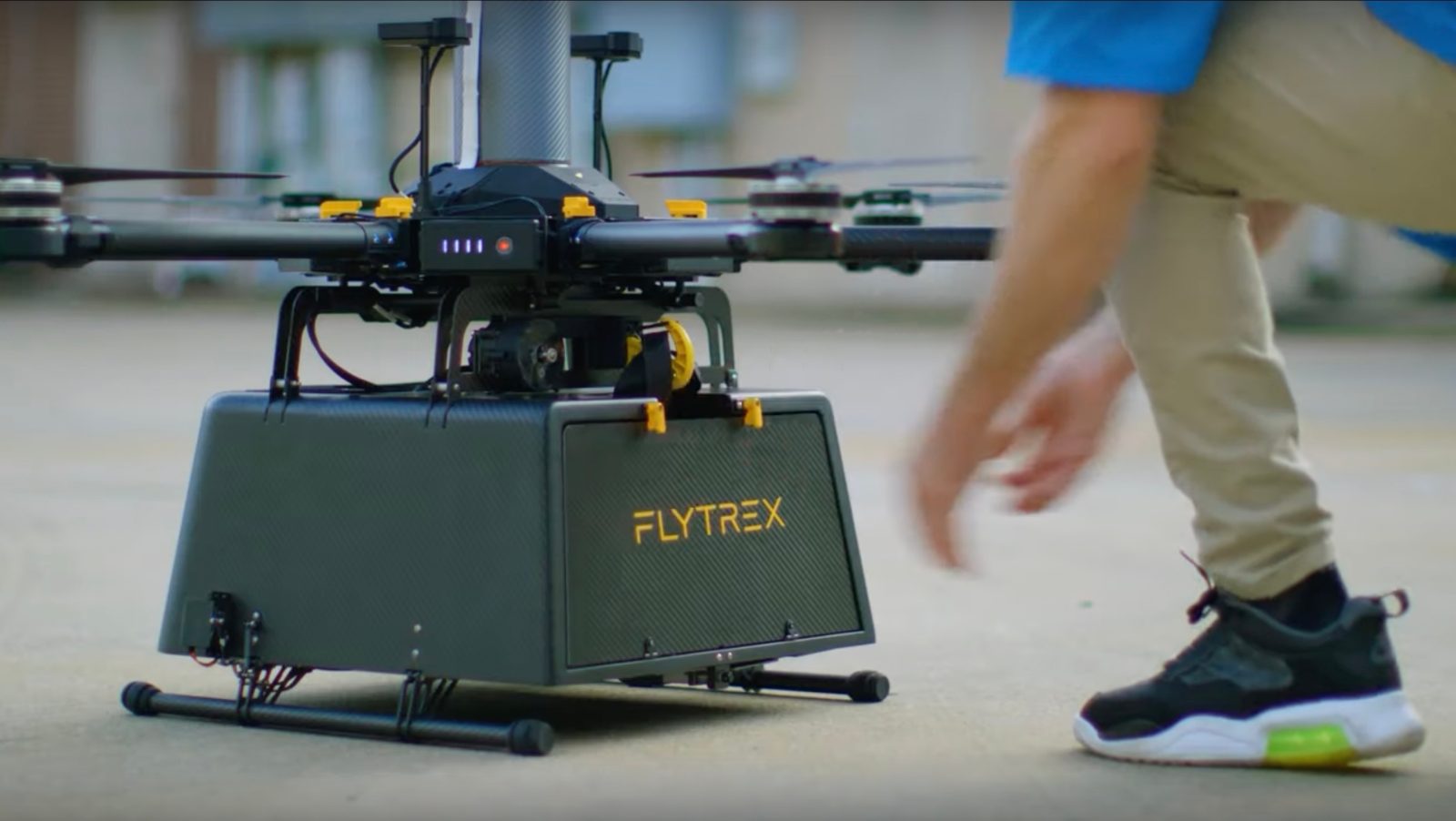
Flytrex co-founder and CEO Yariv Bash may not be out to change the entire world, but he is intent on revolutionizing the way goods are delivered on the planet with a tightly focused, carefully defined plan of making drones the primary force of that progress.

Expand Expanding Close

Minimum $30,000 fine for pilots violating Super Bowl ‘No Drone Zone’

faa super bowl drone

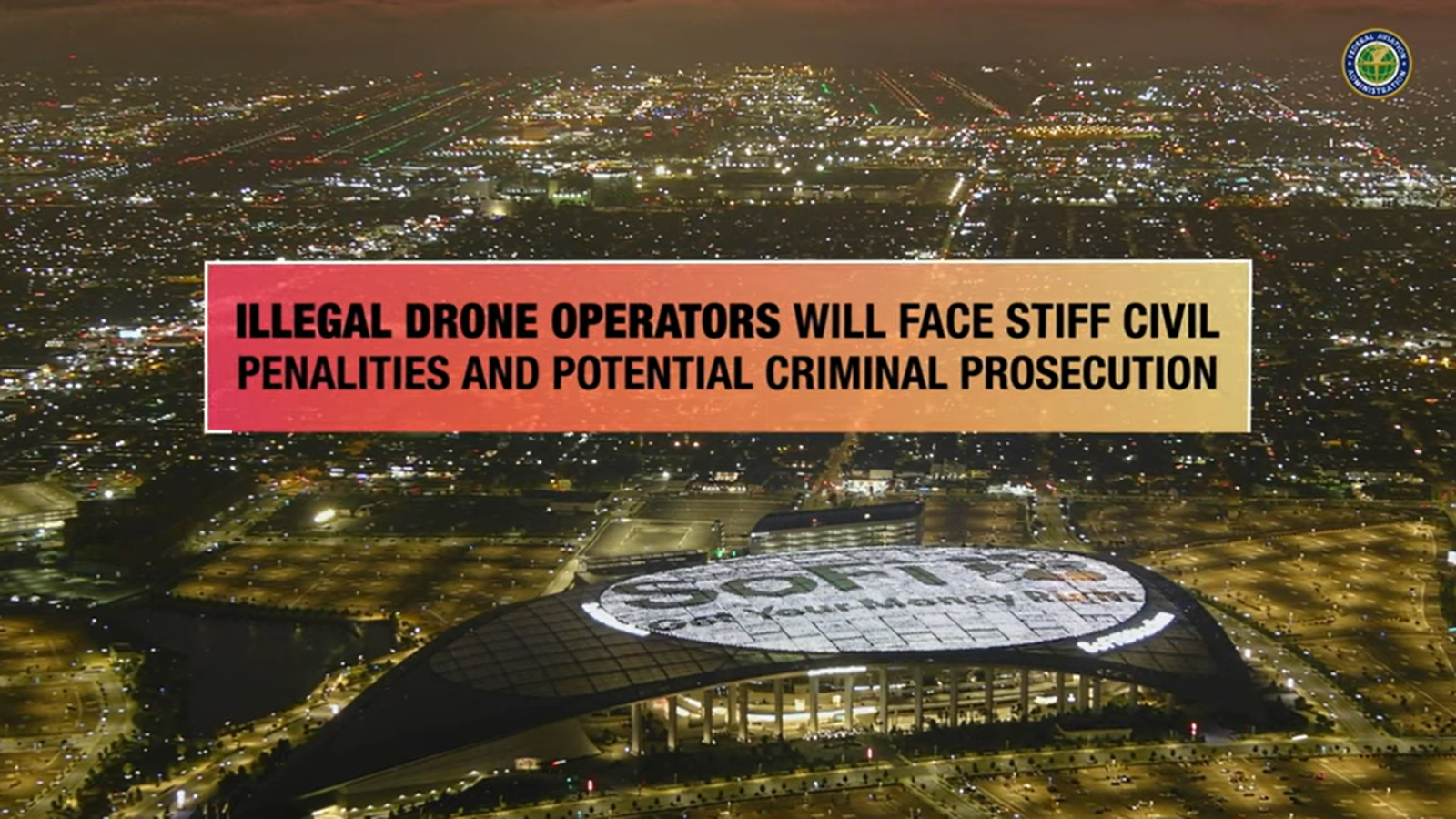
The Federal Aviation Administration (FAA) has declared the SoFi Stadium in California’s Inglewood as a “No Drone Zone” ahead of this year’s Super Bowl. And to make sure that drone operators don’t take the safety advisory lightly, a minimum potential fine of $30,000 has been proposed, among other things.

Expand Expanding Close

Drone Racing League is now an FAA-accredited UAS event organizer

Drone Racing League faa google cloud loyalty pointskash

Some exciting news coming from the Drone Racing League (DRL) today. The Federal Aviation Administration has accredited DRL as the first UAS event organizer. In addition, DRL will also participate in FAA’s Partnership for Safety Plan (PSP) program to help the agency establish standardized safety protocols that all individuals and organizations would be required to follow while conducting drone demonstrations, air shows, exhibitions, and events in front of a live audience.

Expand Expanding Close

From pest to pal: FAA praises drones that help firefighters battle wildfires

Skyfire PG&E drone

Amid the spate of giant blazes that burned over 6 million acres of land in the US this year alone, the flight of private UAVs in emergency zones have been repeatedly blamed for hampering efforts to extinguish the flames. Now the Federal Aviation Administration (FAA) is also praising the ways drones have become a vital tool for firefighters battling wildfires.

Expand Expanding Close

How to get near real-time LAANC authorization for night drone flying

LAANC drone night authorization

Updated: August 17, 2021, 7:53 am

The FAA has begun near real-time approval of night airspace authorization requests through its Low Altitude Authorization and Notification Capability (LAANC) platform, negating the need for special waivers. Here’s how you can get LAANC authorization for nighttime drone operations almost instantaneously…

Expand Expanding Close

Interactive US map shows nearly 10,000 drone, UFO encounter incident reports

drone safety map US

The Federal Aviation Administration (FAA) receives dozens of uncrewed aircraft sighting reports every month. With incident reports coming in from pilots, citizens, and law enforcement officials alike, the FAA’s database of drone and unidentified aircraft sightings runs into thousands of Mandatory Occurrence Reports (MORs) today. So, now, an enterprising online publication is featuring these reports in an interactive map of the United States – thus making it easier for people to zoom into their neighborhood for details or explore hotspots of sightings more intimately.

Expand Expanding Close

FAA encourages drone pilots to anonymously submit incidents through its CALLBACK system

FAA NASA CALLBACK drone pilots

The FAA is trying to raise awareness among drone pilots about NASA’s CALLBACK Aviation Safety Reporting system, which allows drone pilots (and others) to anonymously submit safety-related incidents. The database also allows you to view other submitted incidents, hopefully allowing readers to learn from the mistakes of others.

Expand Expanding Close